A new DNA study of mammoth remains has revealed that ancient humans primarily hunted females rather than males. This selective hunting may have affected the population size of the species and accelerated their extinction.
A new study has shown that ancient hunter-gatherers prepared a wide variety of complex dishes, combining fish, berries, grains, and other plants. Their culinary traditions were far richer than previously believed.
Genetic analysis of remains found in Italy has revealed that rare hereditary diseases existed as far back as 12,000 years ago. The study identified a mutation in an ancient adolescent that caused a severe growth disorder, providing evidence of social support within Ice Age communities.
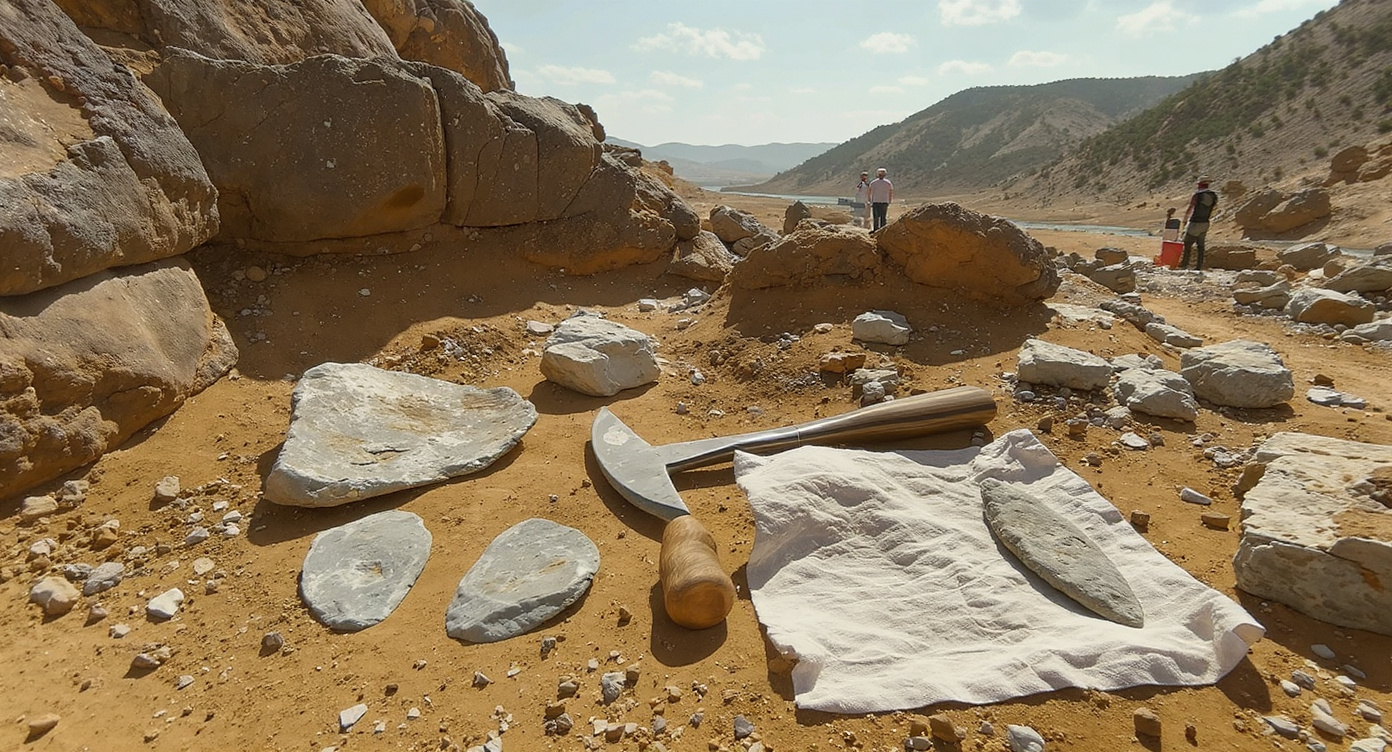
Recent archaeological discoveries in China challenge the notion of technological backwardness in East Asia during the Stone Age, revealing sophisticated tools dating back up to 160,000 years. These findings broaden our understanding of ancient technologies and the capabilities of the Denisovans.
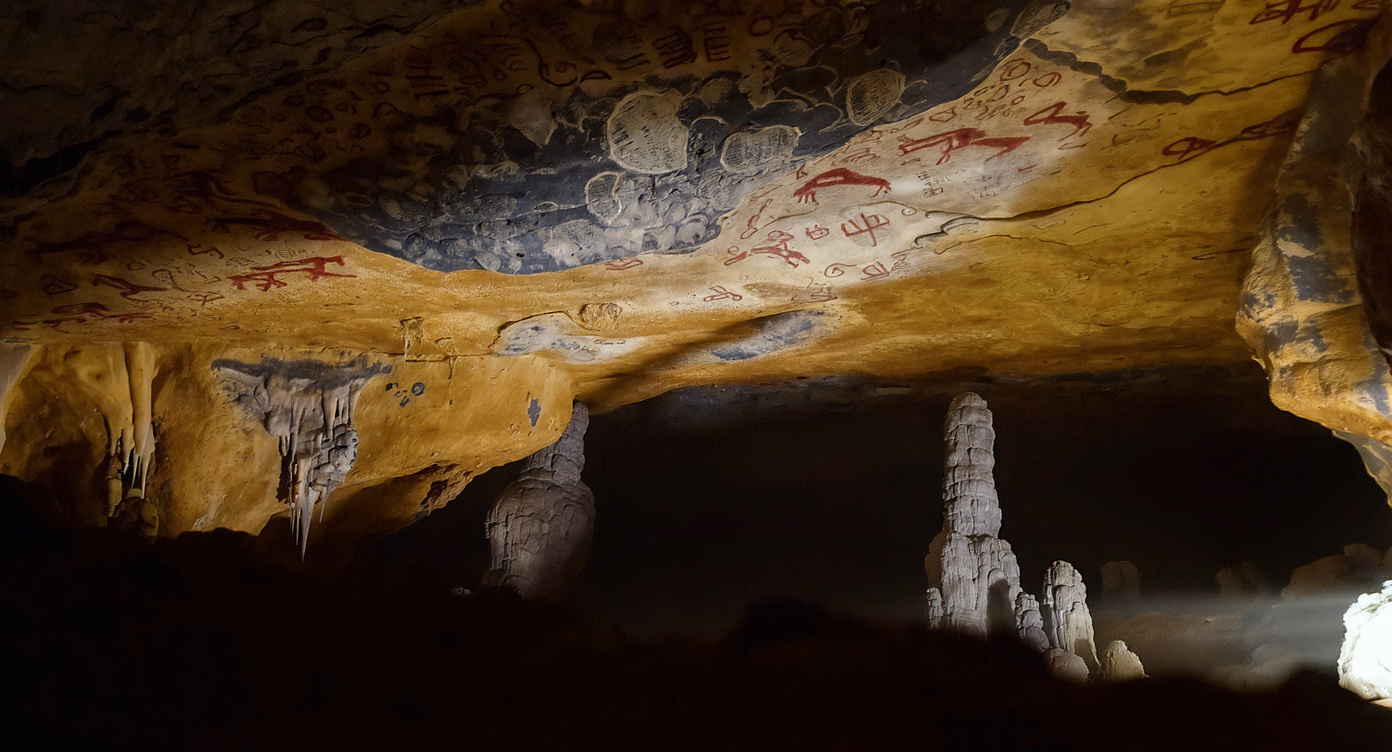
The oldest known cave paintings in the world, estimated to be around 68,000 years old, have been discovered on Muna Island. This finding changes our understanding of ancient human migration and capabilities in Southeast Asia.
A new study of caves in northeastern Arabia has uncovered traces of ancient humans and animals, helping to reconstruct the region's ecosystems over the past 100,000 years.


 Cursus