

Lack of bright light worsens mood and sleep.
A new study has shown that a lack of bright light during the day can worsen mood, cause drowsiness, and increase stress levels even in healthy individuals. This is especially relevant for those who spend a lot of time in poorly lit rooms.
Salus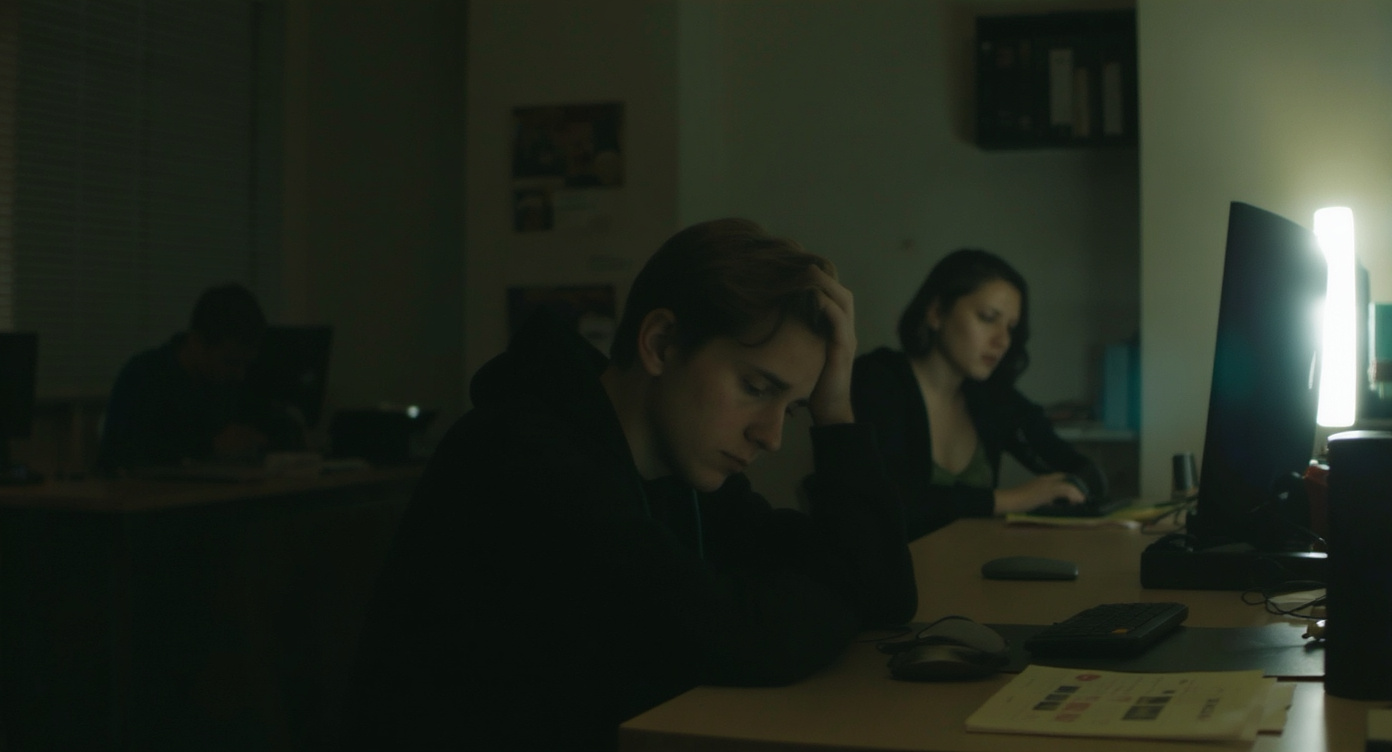
Residents of temperate latitudes spend about half the year with insufficient natural light. During these periods, artificial lighting becomes the main source of illumination. However, as recent scientific studies show, its intensity is often not enough to maintain normal well-being.
Light and Human Evolution
The human species evolved in Africa, where the climate and light levels are significantly different from those found in mid and high latitudes. For example, one lux is the brightness of a full moon at the equator, but even under a clear sky in Europe, a full moon is four times dimmer. In December, sunlight in Europe may reach only a thousand lux, and on cloudy days, just a few hundred. By comparison, in Africa, daytime light levels range from tens to hundreds of thousands of lux.
The Impact of Light on Well-being
The question of how such differences in lighting affect human well-being remains open, since biologically we have changed little since leaving Africa. Recently, German scientists published the results of a small experiment on this topic in the Journal of Psychiatric Research.
The study involved 20 young adults of both sexes, with an average age of 24. Their daily routines remained unchanged, but their sleep and wakefulness were monitored using accelerometers, and cortisol levels (the stress hormone) were measured through saliva and urine analysis.
Experimental Conditions
Half of the participants spent time from 8 a.m. to 12 p.m. under lighting with a color temperature of 2700 K (a yellowish light, like that of an incandescent bulb) and an intensity of 55 lux. Due to the low color temperature, the level of so-called melanopic lux was only 12. Melanopic lux measures not formal brightness, but the degree of activation of the biological clock through special light-sensitive cells in the retina.
The other half of the group spent the same hours under white light (3500 K) with an intensity of 800 lux (or 481 melanopic lux)—roughly equivalent to outdoor light on a cloudy day. In residential spaces, especially in winter and during overcast weather, lighting is usually much lower.
Study Results
Initially, there were no differences between the groups, but after several days of changing the lighting regime, differences became apparent. Participants exposed to dim lighting slept on average 25 minutes less, and their REM sleep phase shifted in time.
Cognitive tests did not reveal objective changes, but participants' subjective well-being worsened. From the eighth day of the experiment, the low-light group began to report increased sleepiness and growing sadness. Additionally, in the second half of the day and in the evening, they showed higher cortisol levels compared to the bright light group, indicating increased stress.
Conclusions and Recommendations
The authors of the study suggest that if such changes in sleep and mood arise quickly even in people without signs of depression, there is a significant risk of developing depressive states in many modern individuals. This is especially relevant for those who regularly spend the first half of the day in poorly lit offices or classrooms.
A possible solution could be to increase light levels in spaces where people spend their morning hours, as well as to use light sources with a color temperature close to daylight (3500 K and above), rather than yellow-spectrum lighting. However, it is important to remember that bright lighting in the evening, according to other studies, can lead to insomnia and other sleep problems.