

Masturbation in birds: an evolutionary mechanism for stress relief
A new study has shown that masturbation in birds is a natural evolutionary mechanism for reducing hormonal tension, especially in species without permanent mates. Human intervention or attempts to suppress this behavior are not recommended.
Cursus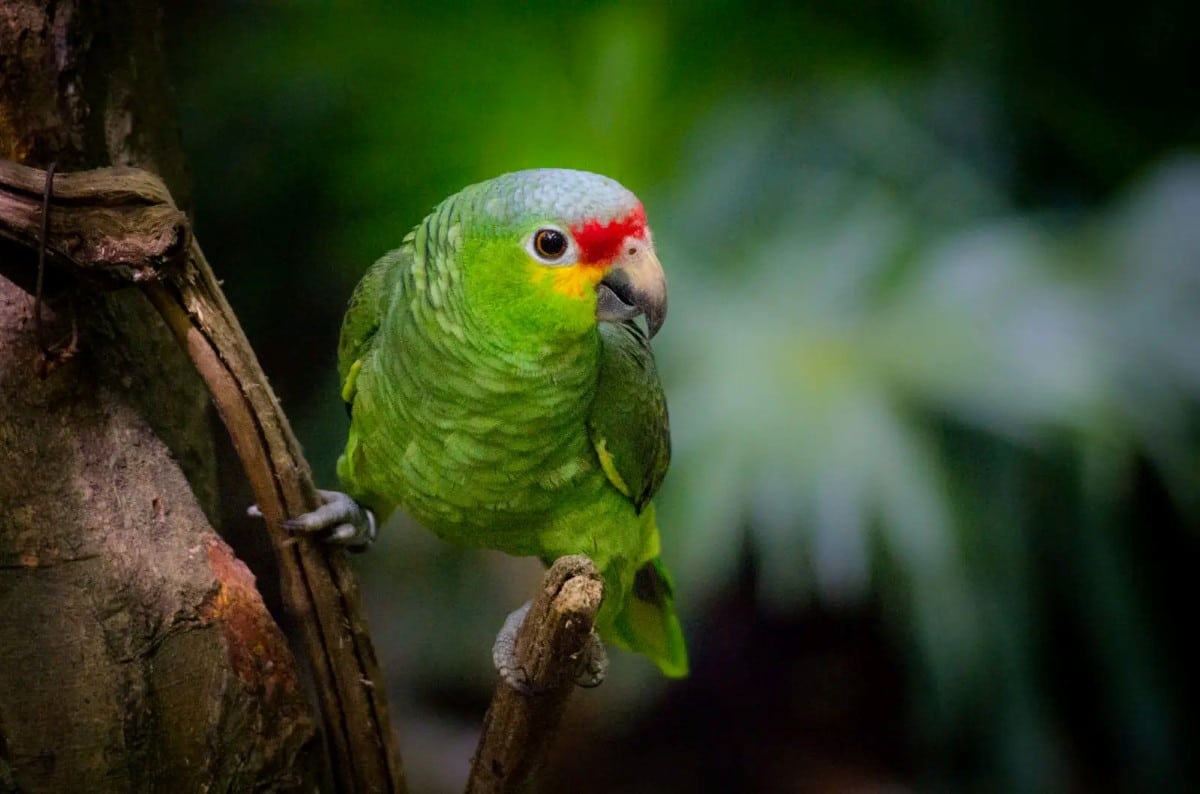
The mating behavior of birds is directly linked to their need for sexual release. A study conducted by British biologists, which included 120 bird species, revealed that species that do not form permanent pairs are more likely to engage in self-stimulation compared to those that establish stable partnerships. It was found that the habit of rubbing against branches is a natural evolutionary mechanism for reducing hormonal tension, rather than a consequence of captivity. In fact, such behavior is observed even more frequently in the wild than in zoos.
Evolutionary Aspect of Behavior
From the perspective of classical biology, masturbation in animals was long considered an evolutionary paradox, since expending energy and seminal fluid without the possibility of fertilization seemed pointless. In veterinary practice, this behavior in birds was traditionally viewed as a harmful habit caused by loneliness or being kept in a cage, and attempts were made to eliminate it through strict diets, limiting toys, administering psychotropic drugs, or even surgical castration.
Research Methodology
To uncover the true causes of this phenomenon, researchers compiled an extensive database on 120 bird species, using scientific publications, surveys of ornithologists and zookeepers, as well as citizen science materials—videos and breeder reports from specialized forums. During data analysis, cases of normal hygiene, such as preening feathers with the beak, were excluded. Technically, masturbation in birds manifests as an imitation of mating: the bird rubs its cloaca against inanimate objects—branches in the wild or toys in captivity, sometimes using its own feet for stimulation. This process is often accompanied by characteristic courtship behaviors: specific calls and vigorous wing flapping.
Main Findings
Analysis using Bayesian phylogenetic models showed that in the wild, birds masturbate statistically more often than in captivity. The key factor turned out to be the species' mating system: species prone to mating with multiple partners regularly engage in self-stimulation, whereas socially monogamous species that form long-term pairs do so much less frequently.
Males exhibited this behavior more often than females (55% versus 36% of recorded cases), but the widespread occurrence of masturbation among females disproved the theory that males do it solely to get rid of old sperm before mating. Additionally, the similar frequency of this behavior in both young and adult birds does not support the hypothesis of "training" before adulthood.
Influence of Human Factors
It was also noted that parrot owners, by stroking their birds along the back near the rump, can unintentionally stimulate an erogenous zone, mimicking partner grooming and prompting their pets to seek sexual release.
Conclusions
The study demonstrated that masturbation in birds is an evolutionarily established and biologically normal behavior. For polygamous species, where individuals constantly compete for mates, an excess of hormones is typical, and self-stimulation serves as a mechanism to reduce sexual tension. Veterinarians and owners are advised to refrain from trying to suppress this natural instinctive behavior.