

Birds use cigarette butts to protect their nests
In various countries, birds have started using cigarette butts to build their nests as a way to protect themselves from parasites. However, by doing so, they are also exposed to harmful substances, which can have a negative impact on their health.
Natura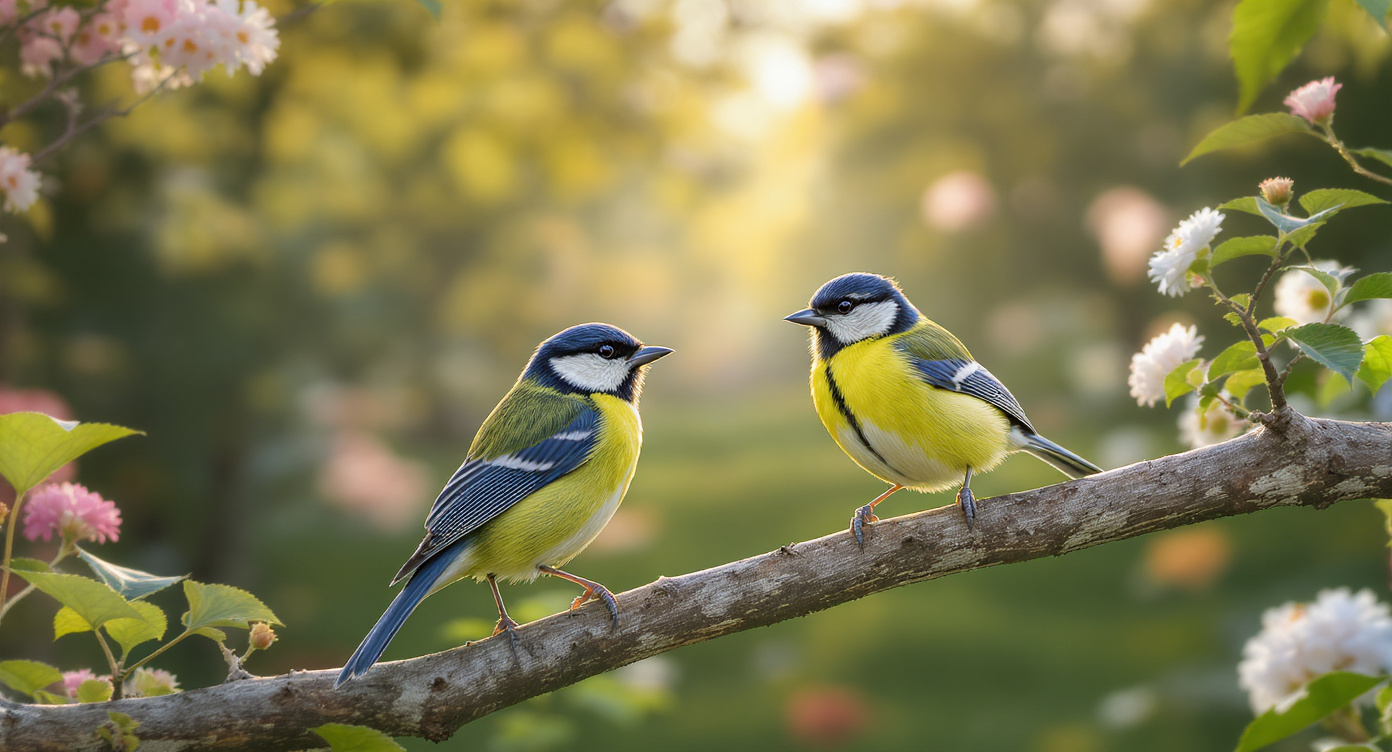
An unusual phenomenon is increasingly being observed in parks across several countries: tits and sparrows are bringing not only down and twigs in their beaks, but also cigarette butts. Research has shown that birds use this nicotine-soaked litter to protect their offspring, although this behavior also has its downsides.
Spread of the Phenomenon
This behavior has been noted in birds from various regions around the world. On the Galápagos Islands, Darwin’s finches, in Mexico, house sparrows, and in New Zealand, song thrushes all use cigarette butts when building their nests. In the UK, some birds have even been found nesting directly in cigarette butt bins.
Reasons for Using Cigarette Butts
Cigarette filters contain a variety of chemicals, including nicotine, arsenic, and heavy metals. Some of these substances, especially nicotine, are toxic to insects. This has led to the hypothesis that birds use cigarette butts to protect their nests from parasites.
Experimental Studies
A team of ornithologists and biologists from Poland conducted an experiment with Eurasian blue tits (Cyanistes caeruleus). They studied 99 chicks from several dozen nests, dividing them into three groups:
- Control group: nests built by birds from natural materials.
- Sterile group: sterilized artificial moss and cotton were added to the nests to eliminate external parasites.
- Butt group: two used cigarette filters were placed in each nest.
Thirteen days after hatching, blood samples were taken from the chicks for analysis. Chicks from the sterile and butt nests showed higher levels of hemoglobin and hematocrit compared to the control group, indicating better oxygen supply to tissues and greater resistance to stress.
Impact on Parasites
After the chicks left the nests, scientists counted the number of parasites in each nest. The highest numbers were found in nests made from natural materials, fewer in nests with cigarette butts, and almost none in the sterile nests. However, the effect of cigarette butts was moderate: the number of fly and flea larvae decreased only slightly.
Behavioral Features and Potential Risks
In Mexico, birds often shred filters into fibers, increasing the contact of toxic substances with the chicks’ bodies and enhancing the protective effect. As the number of cigarette butts in the nest increases, improved survival and immune response have been observed in chicks, but signs of genetic damage have also been detected in their cells. The long-term consequences of this remain unknown.
Conclusion
Birds use cigarette butts as a means of protecting against parasites, but in doing so, they expose themselves to harmful substances, which may have negative effects on their health. The study was published in the journal Animal Behaviour.