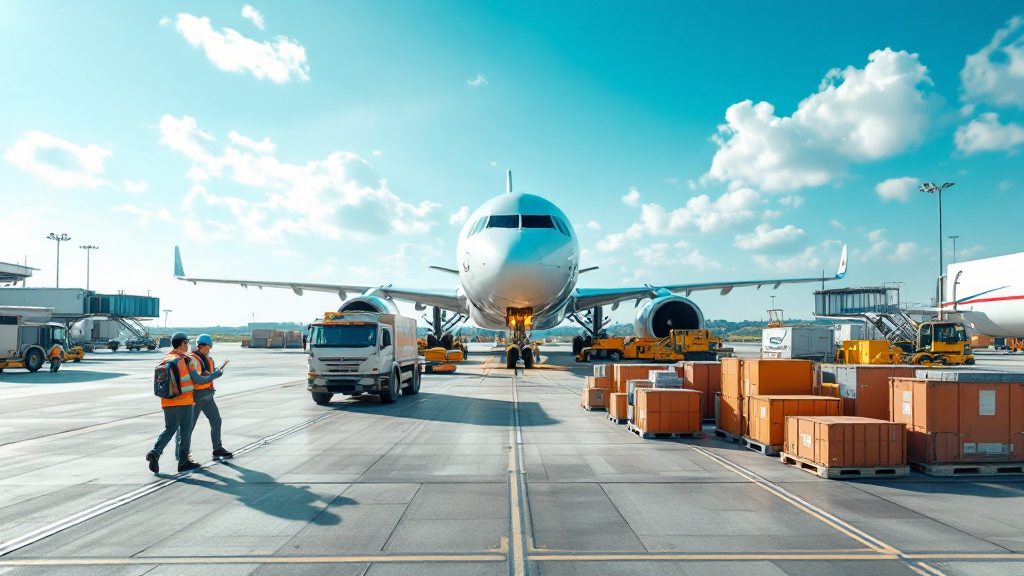
Air transportation is becoming an increasingly important part of logistics, especially amid the instability of sea shipping. However, new regulations for preparing air waybills are creating additional challenges and risks for market participants.
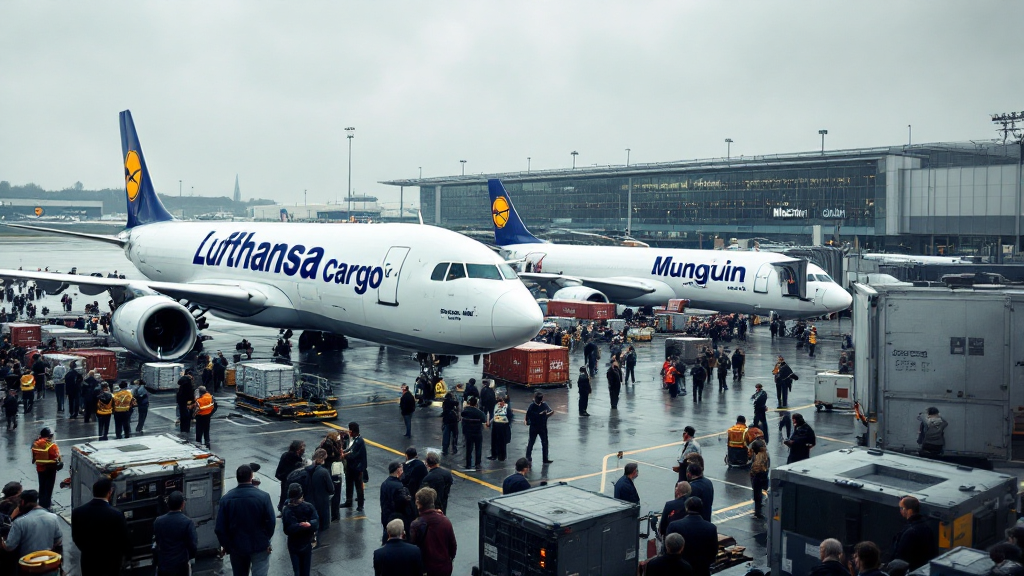
Due to an IT system failure, Lufthansa Cargo's cargo handling operations in Frankfurt and Munich were temporarily suspended, resulting in delays and the need to find alternative routes. This incident once again highlighted the industry's heavy reliance on technology.
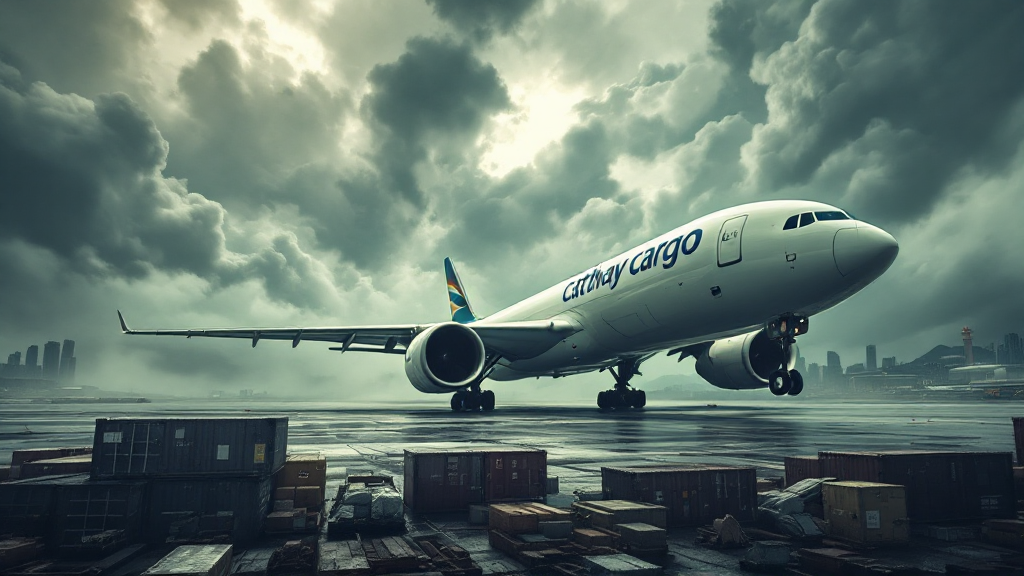
Cathay Cargo's freight volume increased by 9% in the first half of the year, driven by an improving Chinese economy and rising demand in international markets, despite external challenges and new tariffs.
Despite the decline in shares of AI equipment manufacturers, demand for electricity, logistics, and infrastructure for data centers continues to grow. These trends are expected to persist in the long term.
Airfare rates are declining despite rising fuel prices and shifting demand on certain routes. The market is showing resilience, and operators are flexibly reallocating capacity in response to new challenges.
The air cargo market is facing a decline in spot rates and rising fuel costs amid geopolitical changes. However, carriers continue to invest in new routes and fleet expansion, indicating that demand remains strong.
Shipping rates between South and North America have increased, despite a decline in trade volumes and stricter U.S. tariff policies toward Brazil. Exporters are seeking new markets, while carriers report improved schedule reliability.
Exports of vegetables and fruits from Bangladesh have sharply declined due to rising air freight tariffs and geopolitical conflicts, which are undermining the country's competitiveness in global markets. The authorities are considering measures to reduce costs in order to support exporters.


 Vector