AMD may raise prices on some of its microchips by around 10% at the end of 2026 due to increased manufacturing costs at TSMC. This could affect chips for AI, graphics cards, and chipsets, and may also potentially impact the price of Ryzen processors, although there is no official confirmation yet.
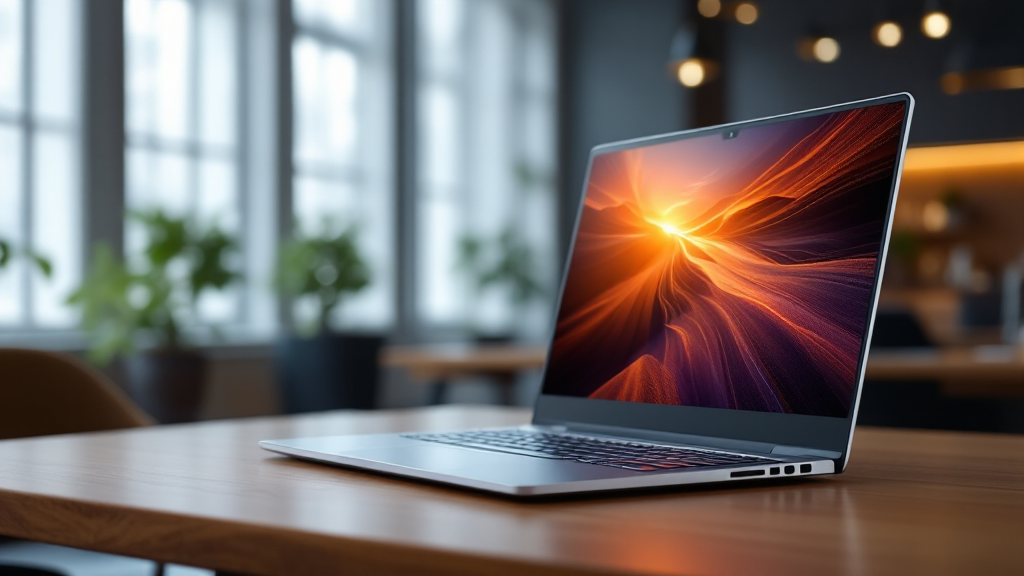
Lenovo has introduced the compact V14 Gen 6 AMN laptop, featuring a 14-inch display, AMD processors, and a battery life of over 19 hours. The model is already available worldwide in various configurations.
Prices for Nvidia gaming graphics cards continue to rise due to increasing costs of graphics memory. This marks the third significant price hike since the beginning of the year. The trend is expected to persist, affecting all models as well as other devices for gamers.
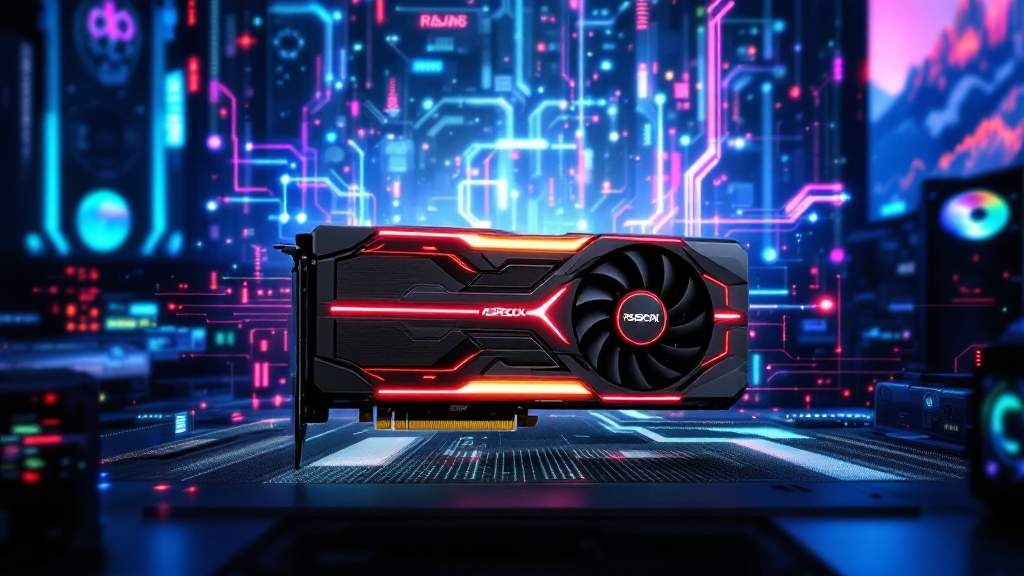
ASRock has introduced the Radeon RX 9050 Challenger graphics card with 4 GB of memory and a 64-bit bus, targeting markets that are highly sensitive to price. Information about pricing and availability has not yet been disclosed.
In 2027, AMD plans to release gaming graphics cards based on the RDNA 5 architecture, while the launch of Nvidia's GeForce RTX 60 series may be postponed until 2028. This gives AMD an opportunity to strengthen its position in the market with new solutions and the arrival of next-generation consoles powered by their graphics technology.
Intel plans to raise prices on PC processors by about 10% due to increased costs of components, especially memory. This move could lead to higher end-user prices for devices.
Apple M5 Max demonstrated outstanding performance in benchmark tests, surpassing most consumer x86 and Arm processors, and also competing with mobile Nvidia and AMD graphics cards in terms of graphics capabilities and energy efficiency.


 Crius
Crius