A study of ancient footprints on the shore of a lake in Kenya has revealed inconsistencies between the structure of the hominin foot and their body size, making it difficult to determine their species. These discoveries also offer a rare glimpse into the social behavior of ancient primates.
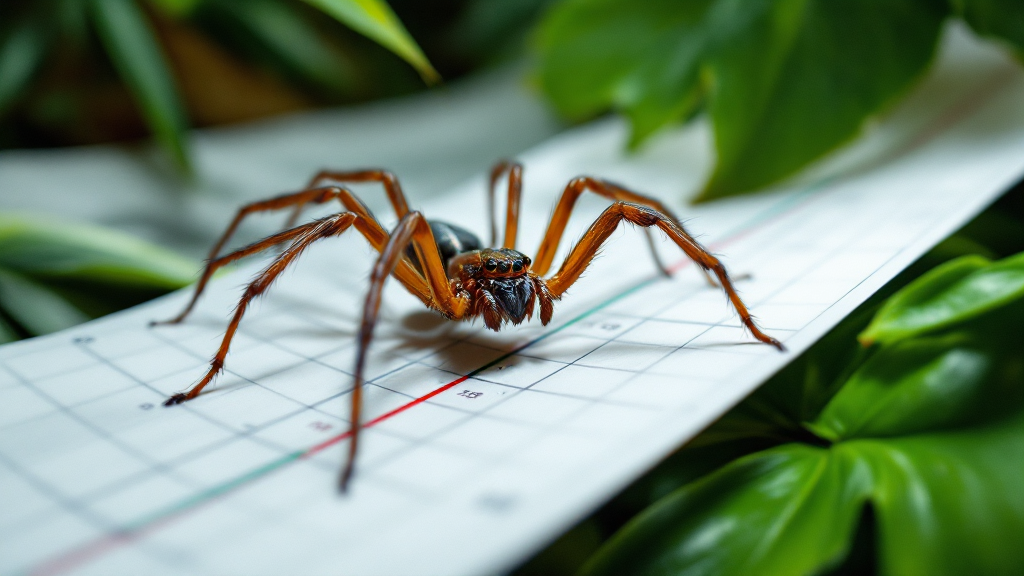
A new study has found that the fastest arachnid is the huntsman spider Heteropoda jugulans, which can reach speeds of up to 3.59 m/s. The key factor behind its impressive speed turned out to be the length of its legs.
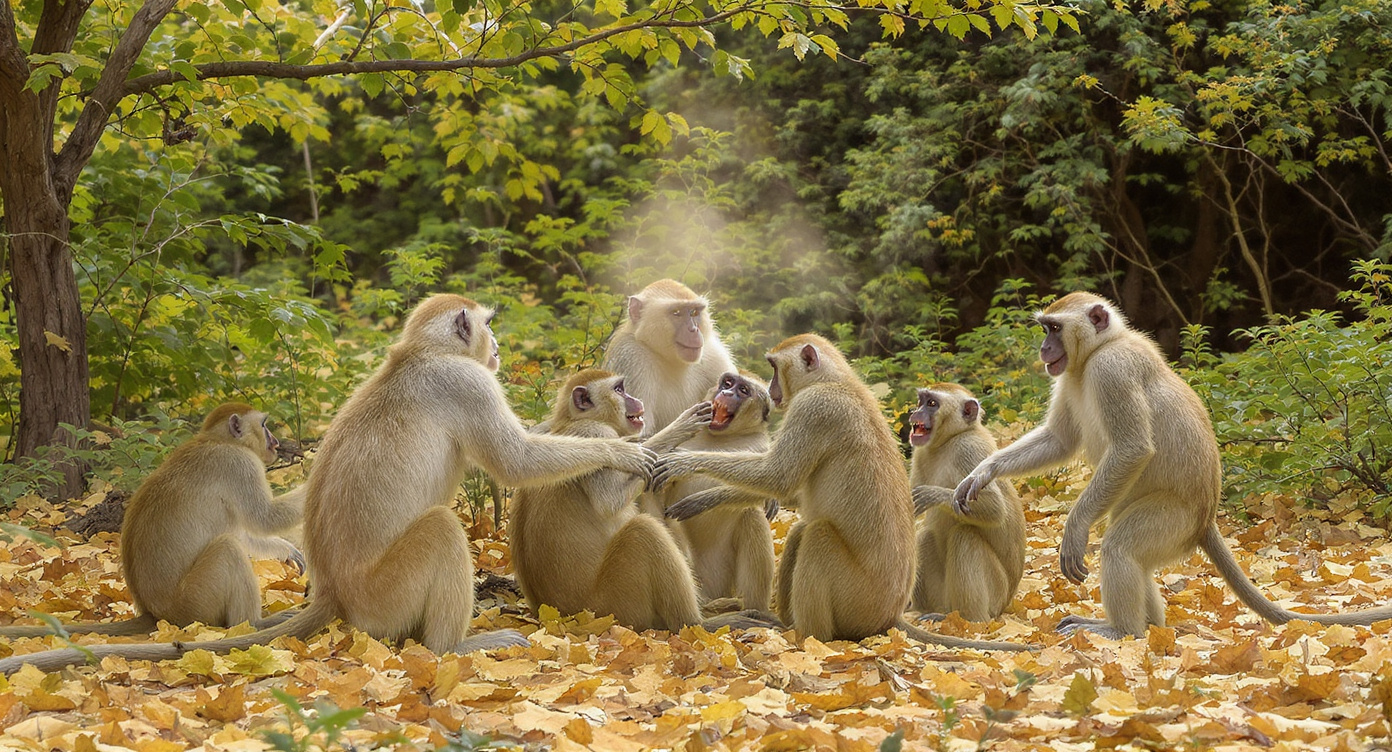
A new study has shown that adult primates’ tendency to engage in play is determined not by their physical characteristics, but by the social structure of their group: play persists where equality and tolerance prevail. In hierarchical societies, such interactions disappear because the risks outweigh the potential benefits.
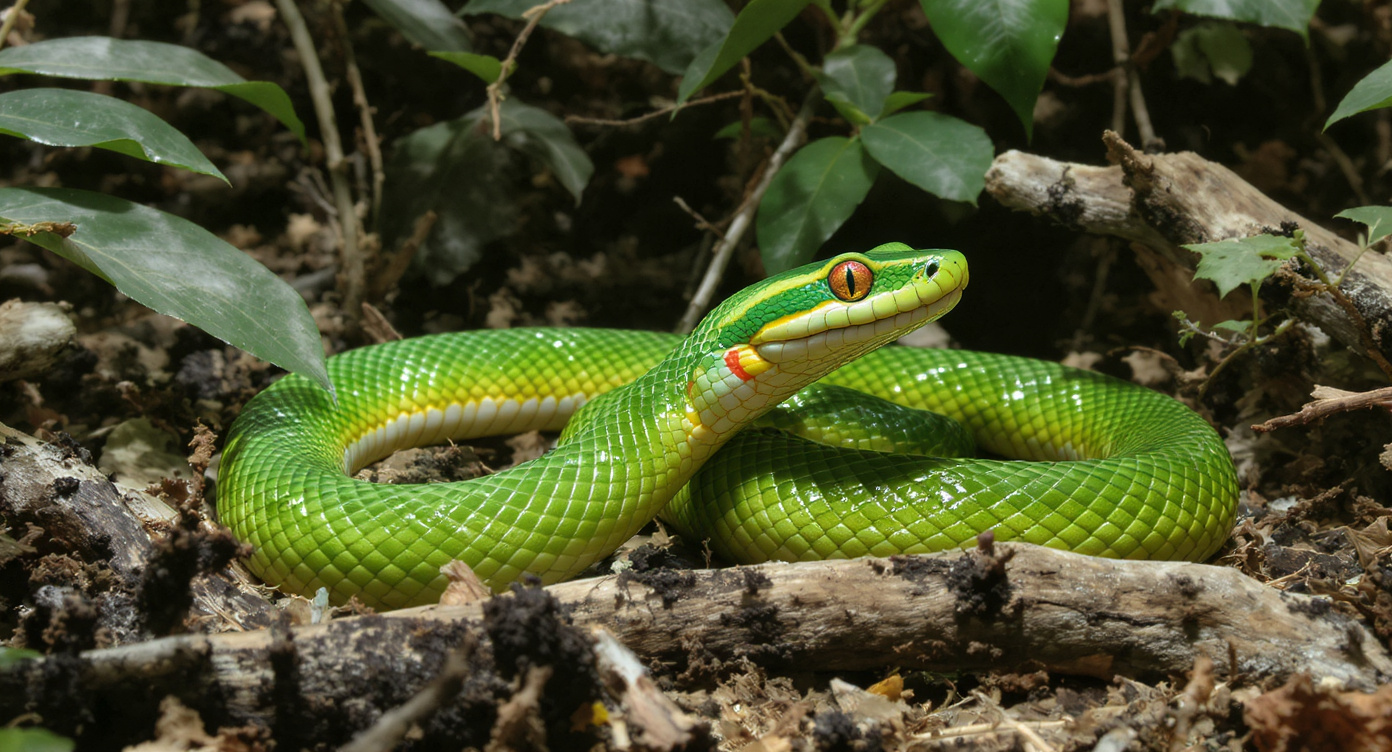
A new species of pit viper with bright green coloring and amber eyes has been discovered in the mountains of western Sichuan. This finding highlights that even in well-studied regions, there are still many unknown representatives of the local fauna.
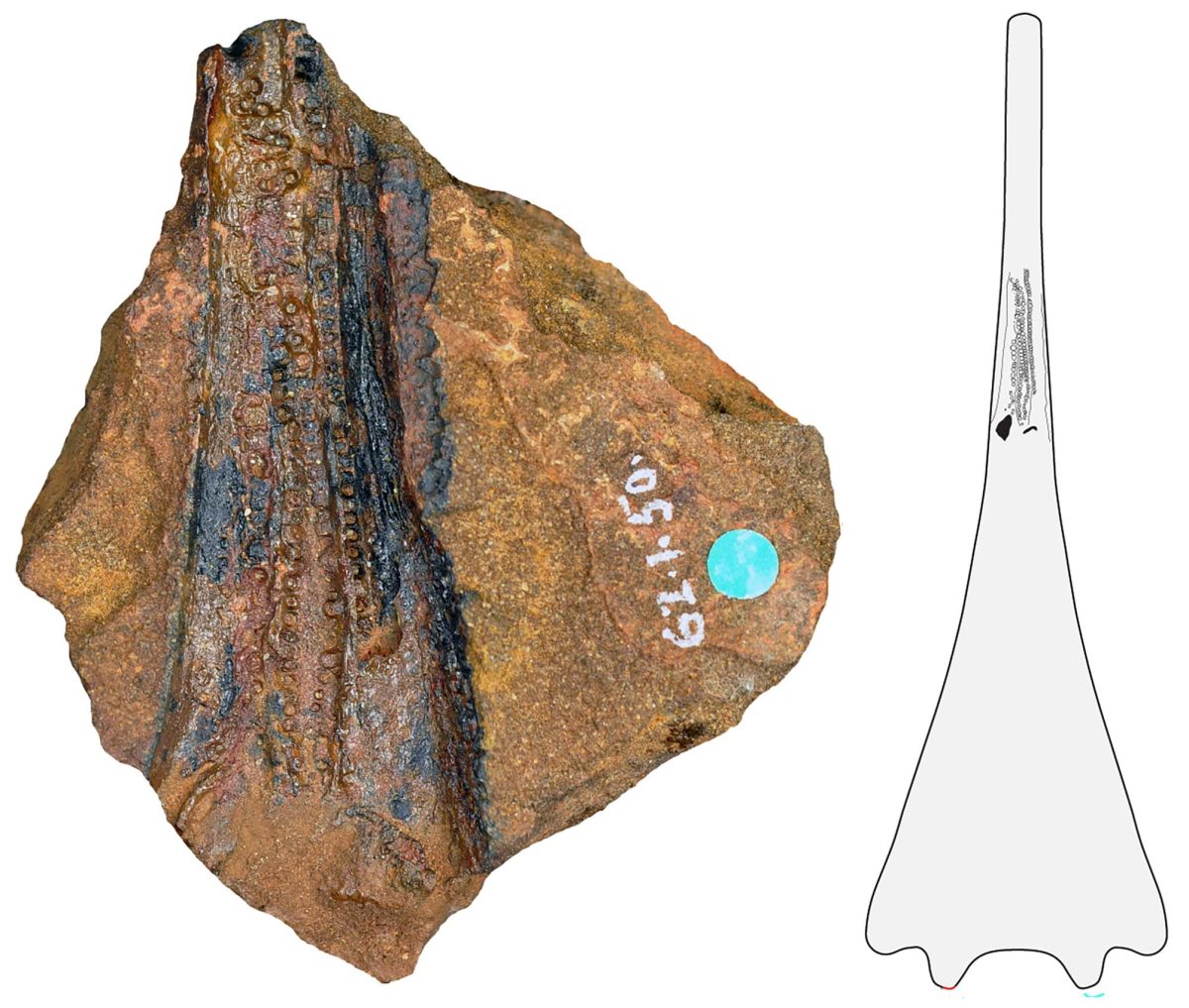
A recent analysis of fossils has revealed that remains in Australia, previously thought to belong to a single species of ancient marine predators, actually represent two distinct species. This discovery points to a more complex ecosystem following the Permian-Triassic extinction and broadens our understanding of ancient amphibian migrations.


 Cursus