

The growing koala population in Australia poses a threat to the ecosystem.
In South Australia, the koala population is rapidly increasing, which could lead to environmental issues. A new study proposes a humane strategy for population control to help maintain ecological balance.
Natura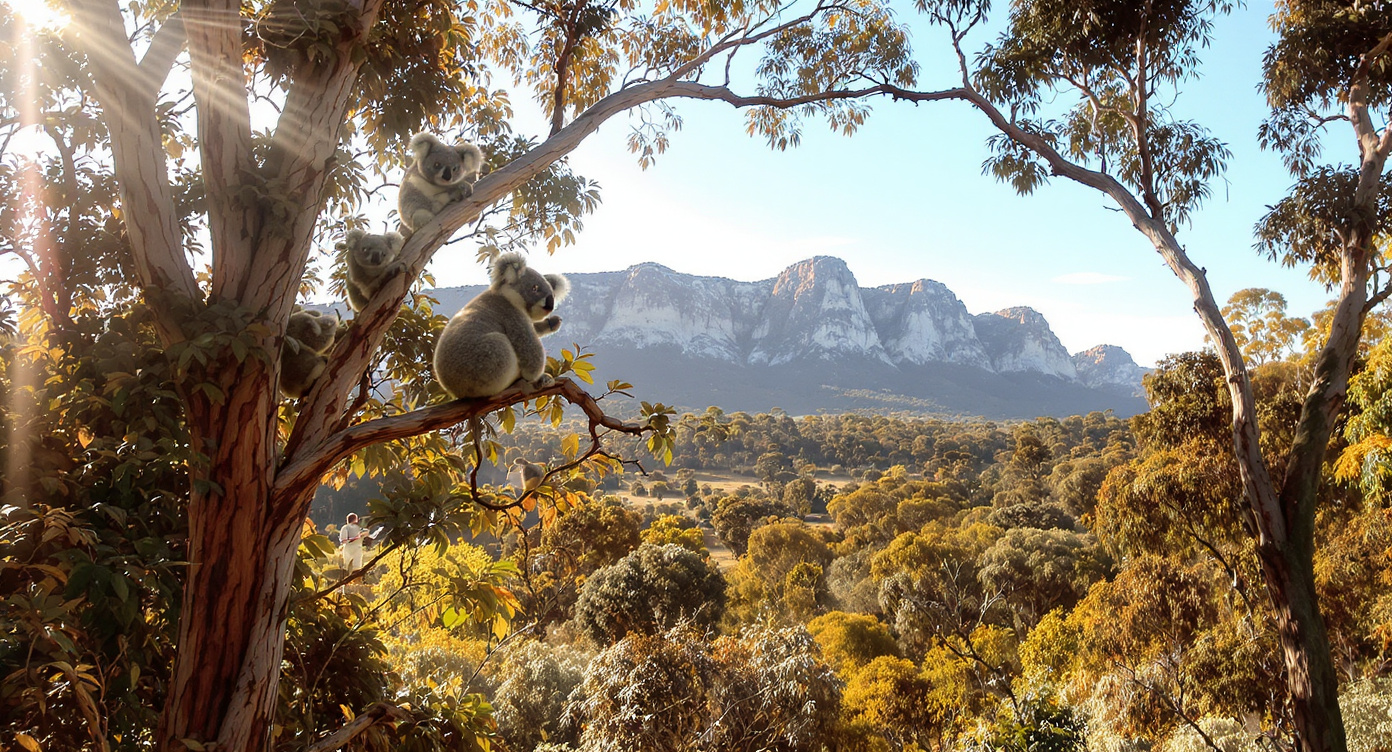
In South Australia, there has been a rapid increase in the koala population. However, experts warn that this conservation success could lead to new ecological challenges. A recent study has, for the first time, provided a comprehensive assessment of the koala population in the region and proposed a humane and cost-effective strategy to maintain their numbers at a sustainable level.
Population Assessment and Projections
According to research published in the journal Ecology and Evolution, about 10% of all Australian koalas now inhabit the Mount Lofty Ranges. Despite this positive trend, it is noted that the population has already reached a level that could threaten the species’ long-term survival. Projections indicate that without intervention, the population could grow by another 17–25% over the next 25 years, putting additional pressure on food resources, local vegetation, and the ecosystem as a whole.
Problems of Overpopulation
While koala numbers are declining in eastern Australia, the Mount Lofty region is experiencing the opposite trend—a rapid population increase. In some areas, koala density already exceeds the ecosystem’s capacity, raising the risk of overgrazing and potentially leading to widespread starvation and animal deaths in the coming decades.
Research Methods
To analyze the situation, researchers combined spatial modeling with data from thousands of citizen science observations. The results showed that in several parts of the mountain range, koala density surpasses sustainable levels.
Population Management Strategies
Traditional methods of population control, such as culling or relocation, are often controversial and considered unacceptable for such an iconic Australian animal. The study explored various management options using computer modeling. The most effective strategy was found to be the annual sterilization of about 22% of adult female koalas in the areas with the highest population density, rather than across the entire region. The estimated cost of such a program is around $34 million over 25 years.
The Importance of a Proactive Approach
The study highlights the importance of proactive, data-driven planning, especially in the context of ongoing climate change impacts on habitats and species distribution. Using scientific forecasting tools allows for decisions that balance ecological needs with public concerns, which is particularly important when managing well-known and valued species.
Genetic Research
This work also builds on previous studies in which around 20,000 koala genes were sequenced. These data have expanded opportunities for medical research, improved understanding of the species’ evolution, and provided new ideas for its future conservation.