

Toxic algae cause dementia in dolphins
Scientists have discovered brain damage in stranded dolphins that resembles Alzheimer's disease in humans. These changes may be linked to toxins from algae and water pollution. The study highlights that neurodegeneration is not just a human issue and emphasizes the need for further research into how environmental factors affect animal health.
Cursus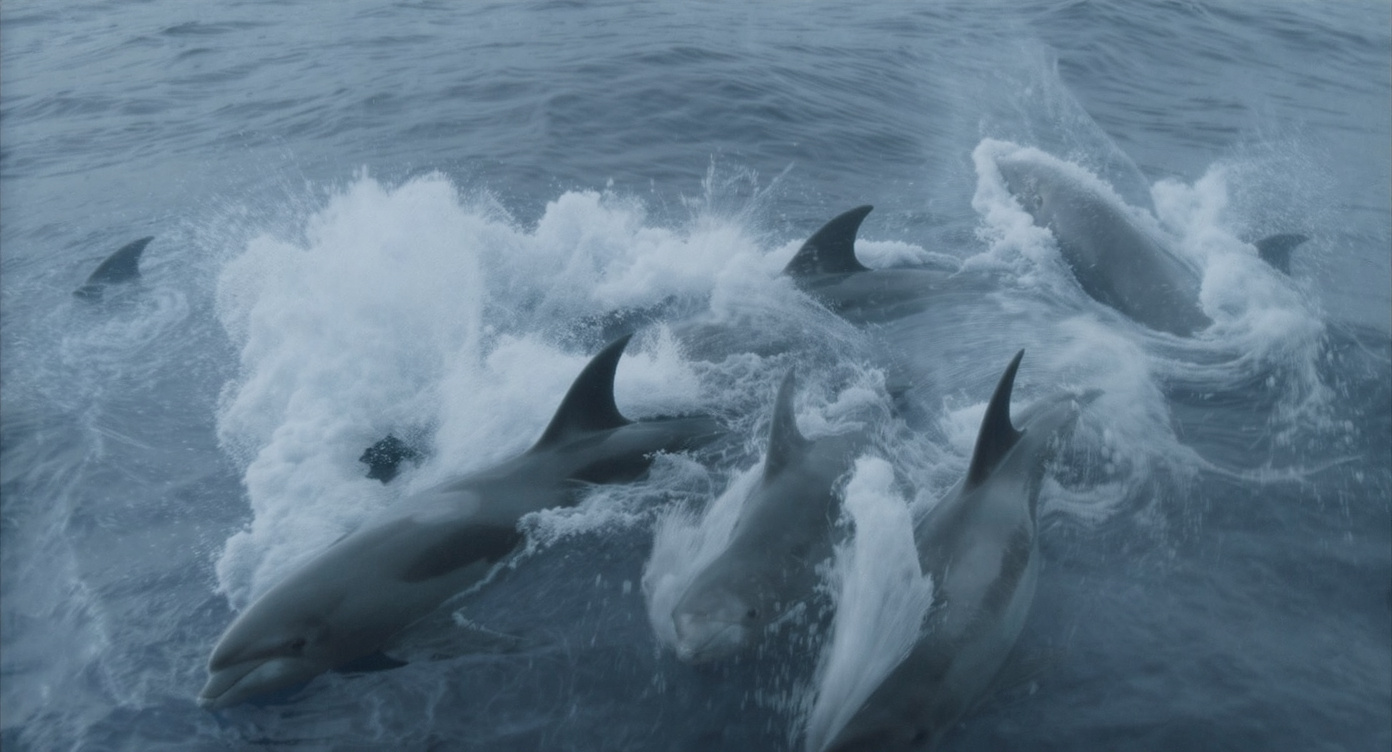
In 2022, scientists conducted a study of the brains of 22 stranded marine mammals and discovered pathological changes in dolphins that closely resemble Alzheimer’s disease. These were not vague signs, but actual amyloid plaques and tau protein tangles—just like those found in humans with this condition.
A more recent study confirmed this finding: stranded dolphins showed brain damage strikingly similar to that seen in people with Alzheimer’s. According to researchers, dolphins with signs of dementia, much like humans, may become disoriented at sea, which could explain some cases of strandings. This is among the most compelling evidence that neurodegeneration is not just a human problem—it can also affect animals.
The Impact of Toxic Algae and Pollution
Researchers paid special attention to the possible link between these changes and cyanobacteria—toxic microorganisms often found in polluted waters. In Florida’s Indian River Lagoon, climate change and pollution are fueling the growth of toxic algal blooms. These blooms release toxins that accumulate in the food chain and pose a threat to fish, land animals, and even humans. Dolphins, as long-lived and exposed creatures, can serve as a natural early warning system: their brains and bodies demonstrate the potential consequences of chronic toxin exposure for all of us.
Research Process and Methods
Scientists studied 20 bottlenose dolphins (Tursiops truncatus truncatus) stranded in the Indian River Lagoon using a triple quadrupole tandem mass spectrometer (QqQ or TQMS). This highly precise analytical technique allows for the detection of individual compounds even in complex biological or environmental samples.
In the Indian River Lagoon, dolphin deaths typically increase in the summer, when harmful algal blooms peak. Researchers believe this seasonal spike is not coincidental but points to a troubling pattern: during warmer months, dolphins become more vulnerable to neurotoxins released by algae.
The Role of Neurotoxins
During bloom periods, scientists found that dolphin brains contained up to 2,900 times more 2,4-diaminobutyric acid (2,4-DAB or DABA)—a dangerous neurotoxin produced by cyanobacteria, diatoms, and dinoflagellates—than during non-bloom periods.
DABA, recognized as a neurolatigen, acts quickly: within hours of exposure, it can cause increased irritability, tremors, and seizures. This is because DABA is an excitatory amino acid that overstimulates nerve cells and disrupts their electrical balance.
Genetic Changes and Risks
But the damage doesn’t stop there. Researchers identified 536 altered genes in dolphins, indicating disruption of GABAergic synapses, changes in the basal membrane, and an increase in Alzheimer’s risk factors, which worsen with each bloom season.
The team also found that dolphins stranded during bloom periods had lower levels of glutamate decarboxylase (GAD)—an enzyme that converts glutamate (an excitatory neurotransmitter) into GABA (an inhibitory one). When GAD is lacking, the brain’s balance shifts toward overexcitation, leading to motor, psychological, neurological, and neurodegenerative disorders.
It is known that in Alzheimer’s disease, the expression of GAD1 and GAD2 genes decreases. The neurotoxin DABA may accelerate this process, intensifying brain damage and dysfunction in dolphins.
Seasonal and Environmental Factors
The study showed that uneven seasonal exposure to 2,4-DAB amplifies the transcriptional signs of Alzheimer’s disease in the brain. Given that climate change is causing more frequent and intense blooms, researchers emphasize the importance of studying how such environmental factors may contribute to neurological risks, especially among vulnerable groups.
Hearing Loss and Additional Risks
Scientists also discovered that at least half of the stranded bottlenose dolphins suffered from severe or profound hearing loss, which affects behavior, navigation, and social connections. Although this study did not have hearing data for the dolphins examined, the team identified an interesting pattern: transcripts of genes (MYO1F, STRC, SYNE4) associated with hearing correlated with 2,4-DAB exposure, bloom season, and the year of stranding.
The authors noted that in humans, hearing loss is also a risk factor for Alzheimer’s and may accelerate the development of related brain pathologies.
The Need for Further Research
Given the observed impact of 2,4-DAB on the brain transcriptome, further studies are needed to clarify the role of this compound in the development of neurodegenerative diseases.
The study was published in the journal Communications Biology.