

Breakthrough: Restoring Memory in Alzheimer's Disease
Experiments on mice have shown that the drug P7C3-A20 can fully restore memory and cognitive functions even in the later stages of Alzheimer's disease, opening up new possibilities for dementia therapy.
Salus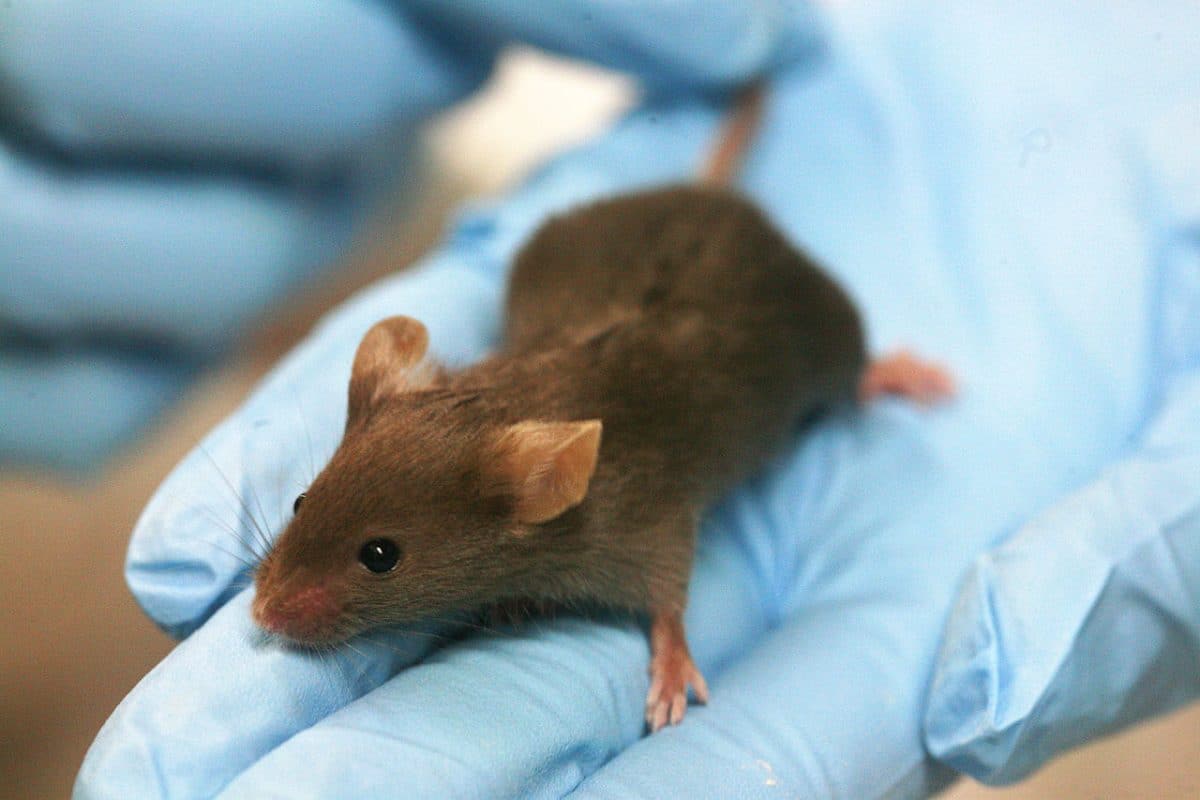
Studies of the drug P7C3-A20 in mice have shown that even in the later stages of Alzheimer's disease, it is possible to restore memory, cognitive functions, and the structure of neural connections. This discovery challenges the long-held belief in the irreversibility of dementia and could pave the way for the development of new medications.
Alzheimer's Disease: Scale and Current Approaches
Alzheimer's disease is the most common form of dementia, characterized by the gradual death of brain cells. Since its first description in 1907, the disease has been considered irreversible: progressive loss of memory, speech, and self-care skills leads to personality breakdown, disability, and death. According to WHO, in 2021, around 55 million people suffered from dementia, and by 2030 this number could rise to 78 million, surpassing 150 million by 2050.
Current therapeutic methods mainly aim to slow symptom progression. Existing drugs can only temporarily ease symptoms in the early stages but do not restore the damaged connections between neurons. In 2025, British researchers discovered that some anticancer drugs can partially restore lost brain functions in laboratory mice, but a complete reversal of the pathology has not yet been achieved.
New Perspectives: P7C3-A20 Research
A team of scientists led by Andrew Pieper from Case Western Reserve University (USA) presented data that could change the landscape. In an article published in Cell Reports Medicine, they demonstrated that the compound P7C3-A20 can fully reverse the development of pathological processes: restoring memory, cognitive abilities, and the structure of neural connections, returning the animals' capacity to learn.
P7C3-A20 is known for its ability to restore the balance of nicotinamide adenine dinucleotide (NAD+)—a universal molecule involved in energy metabolism and protecting brain cells. A decrease in NAD+ levels is directly linked to the severity of Alzheimer's disease and the loss of the brain's "resilience"—its ability to resist neurodegeneration.
Experimental Data
The studies were conducted on two mouse models of the disease: the amyloid model (5xFAD), which reflects the accumulation of toxic beta-amyloid protein, and the tau-dependent model (PS19), associated with the formation of pathological intracellular tau-protein tangles. After a course of P7C3-A20 therapy, the animals showed disappearance of inflammation, oxidative stress, and DNA damage, as well as restored synaptic activity in the hippocampus—the region responsible for memory and learning. The level of tau-protein p-tau217, a key biomarker of the disease, returned to normal, and behavioral tests confirmed full recovery of cognitive functions.
Connection to Human Pathology
By comparing these results with analyses of human brain tissue, scientists found that disease severity in people also correlates with disruption of NAD+ homeostasis. In so-called NDAN individuals—people with typical signs of Alzheimer's but preserved intellect—the NAD+ balance remains stable. This supports the hypothesis that natural mechanisms of brain resilience exist and can potentially be enhanced pharmacologically.
Molecular analysis identified 46 proteins that were similarly altered in both humans and mice and normalized after P7C3-A20 treatment. These proteins are linked to mitochondrial function, lipid metabolism, and inflammatory signaling, making them promising therapeutic targets for humans.
Significance of the Discovery and Future Prospects
The study's authors demonstrated that Alzheimer's disease is not only about the accumulation of toxic proteins but also the loss of the brain's ability to self-repair. The results open the door to developing new drugs capable of restoring the brain even in the late stages of dementia. However, so far, the trials have been limited to laboratory models, and preclinical safety studies of the compound in humans are still ahead in the coming years.