Scientists have developed a plastic coating with nanostructures that physically destroys viruses on surfaces, reducing the risk of infection. This technology can be used to protect phone screens and medical equipment.
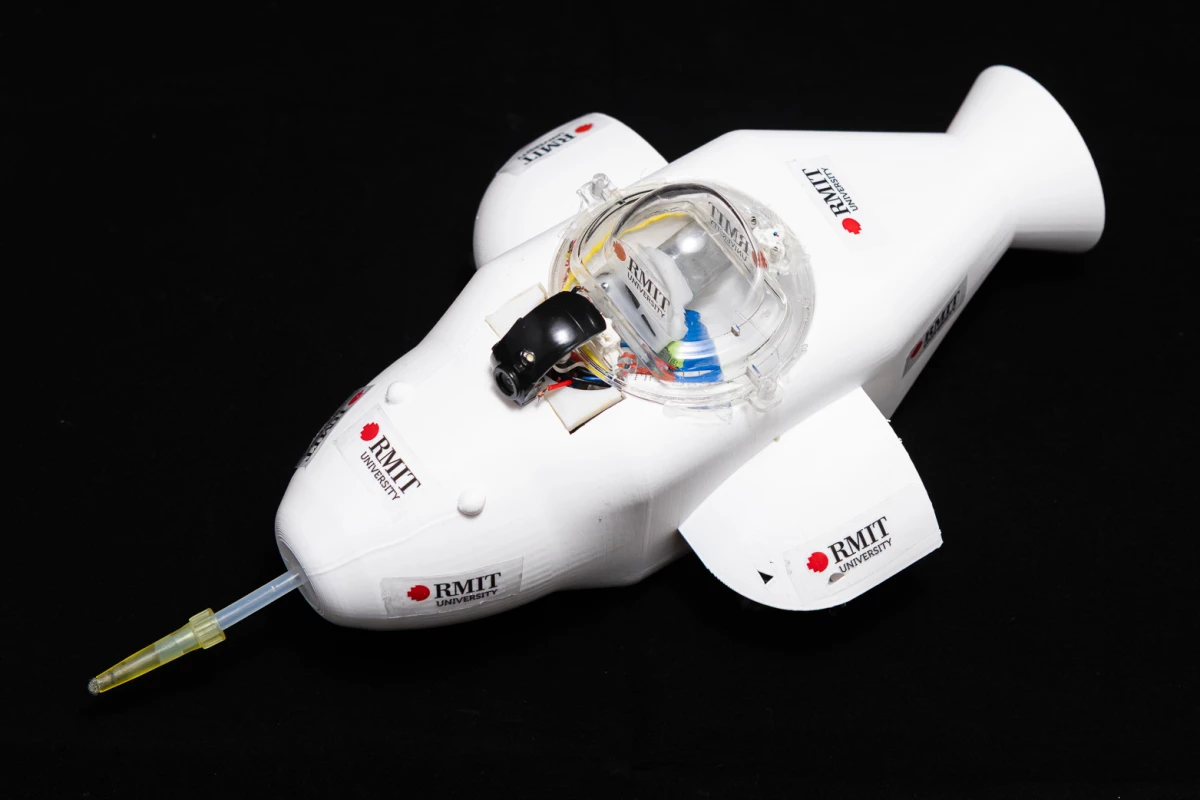
Australian engineers have developed a robot that can move independently across water and efficiently collect oil spills using a unique filter. In the future, this device will be able to operate fully autonomously, cleaning up polluted areas.
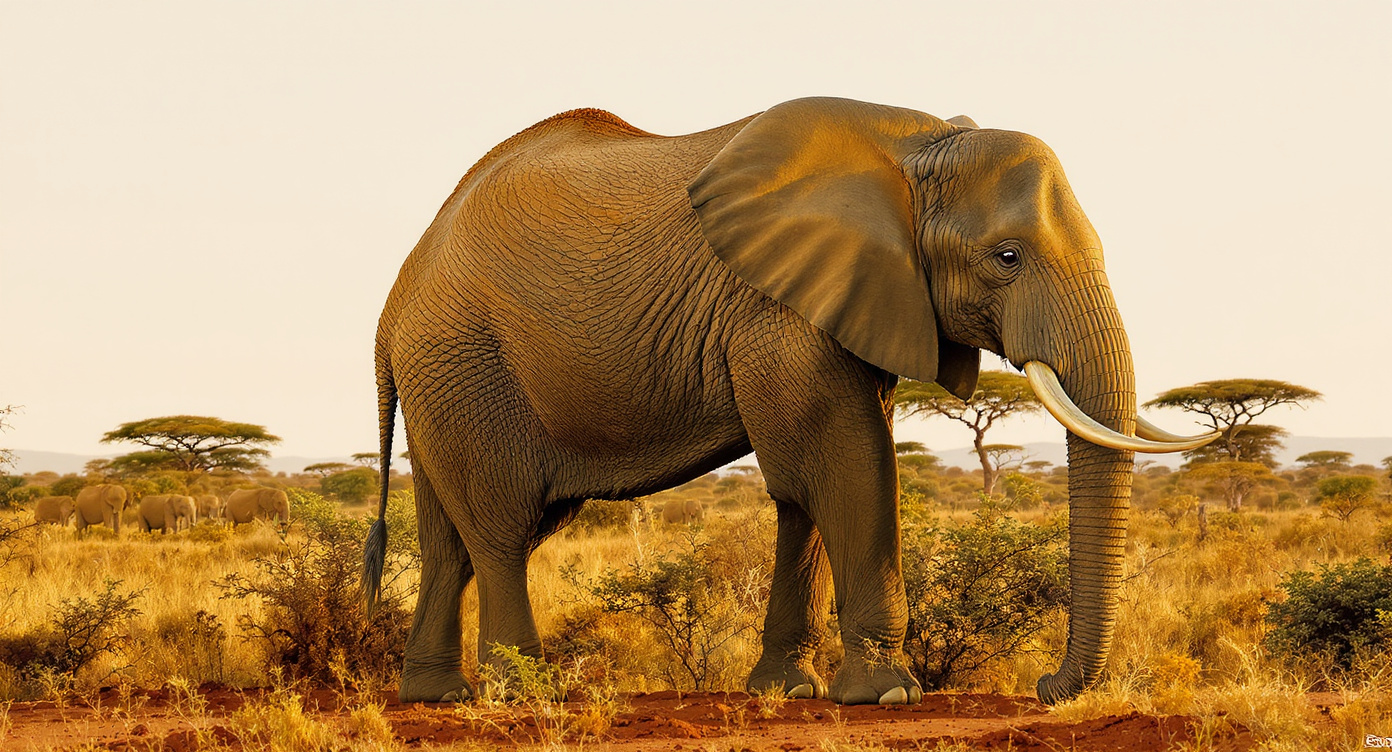
The study revealed that the unique structure of the bristles on an elephant's trunk gives it exceptional tactile sensitivity. These features are inspiring scientists to develop new sensory technologies for robots.
Researchers have developed a programmable "smart skin" made from hydrogel that can conceal images and change its shape in response to external factors. This technology opens up new possibilities for camouflage, encryption, and adaptive materials.
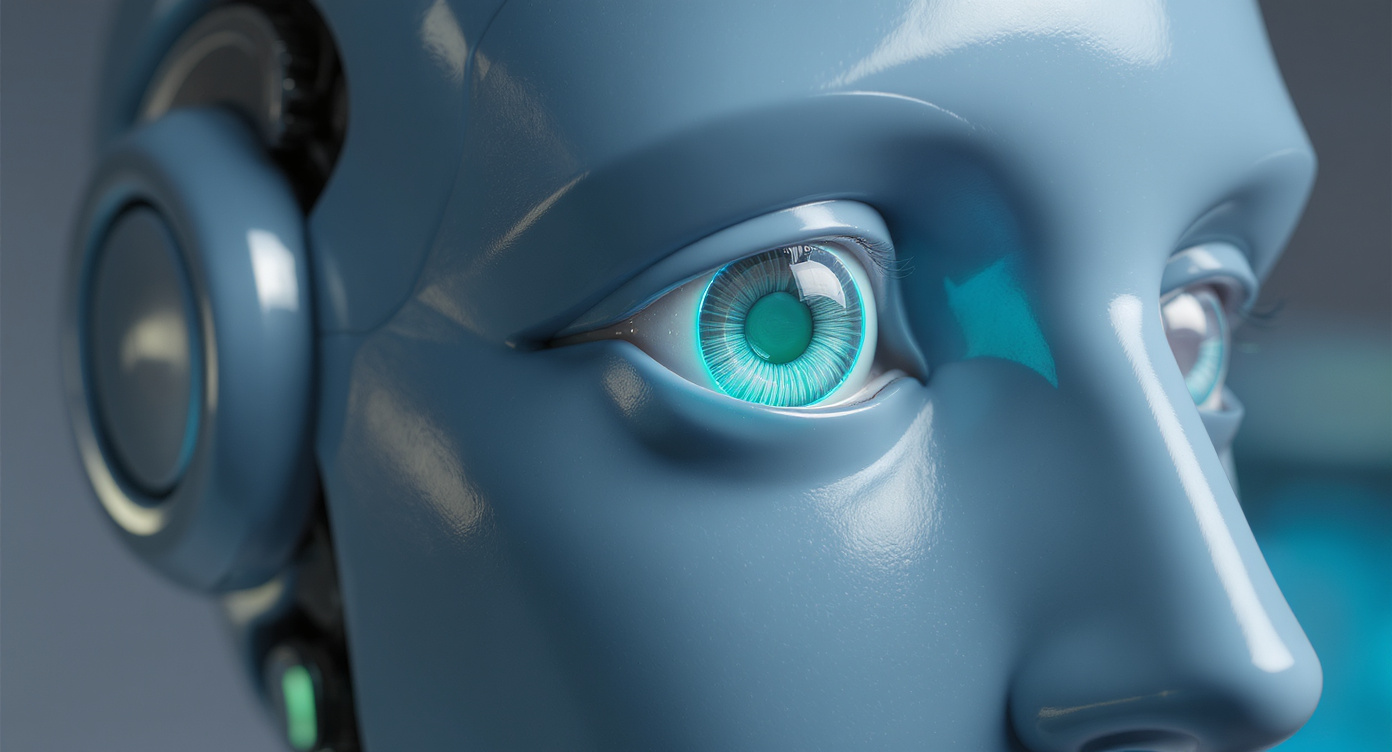
Scientists have developed a soft hydrogel lens called PHySL that can focus using light alone, without any electronics. This breakthrough opens up new possibilities for soft robotics and medical devices. The biomimetic technology makes robots more flexible and safer for interacting with living organisms.


 Ingenium