

Rare immune cells may help defeat cancer
Scientists have discovered a rare population of immune cells that play a crucial role in fighting tumors. Activating these cells could significantly enhance the effectiveness of modern cancer therapies.
Salus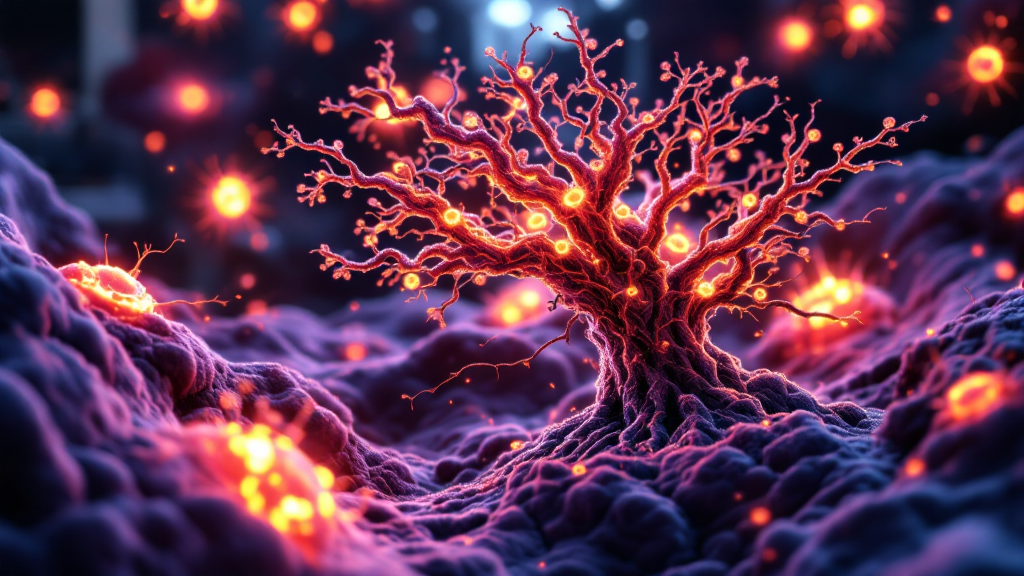
The study identified a small and hard-to-detect population of immune cells that play a crucial role in coordinating the body's immune response to tumors. Among all the cells infiltrating tumor tissue, this group proved to be the most effective at regulating the activity of T-killer cells. This discovery points to specific cells that, if targeted, could significantly enhance the effectiveness of existing cancer therapies.
The Role of Dendritic Cells
Researchers at the Manchester University Cancer Research Institute had long struggled to precisely determine the function of so-called dendritic cells due to a lack of specialized studies. Dendritic cells are a type of leukocyte—white blood cells responsible for defending the body against threats. They are named for their branched shape, which resembles a tree canopy or the extensions of nerve cells (dendrites). These cells act as "radars": they constantly scan tissues, collect samples of mutated tumor proteins, and deliver them to lymph nodes, where they signal killer cells.
Activation Features and Research Methods
Within tumors, the activated form of dendritic cells is extremely rare. To track their activity, scientists developed unique lines of laboratory mice in which dendritic cells could be selectively highlighted with fluorescent markers or completely deactivated without affecting the rest of the immune system.
A series of experiments showed that without this specific group of cells, an effective immune response against tumors is impossible. Activated dendritic cells perform a dual function: they are the first to recognize dangerous antigens and direct T-killer cells to them, while also supporting their activity directly within the tumor tissue.
Impact on the Immune System and Therapeutic Prospects
When the function of dendritic cells is artificially blocked, the immune system loses its ability both to independently restrain tumor growth and to respond to administered drugs. The results of the study have been published on the SSRN platform.
Modern immunotherapy already saves many lives, but it remains ineffective for some patients: certain tumors retain resistance to treatment or quickly adapt to it.
Future Research Directions
In the future, technologies that stimulate dendritic cells may help restore the body's natural defenses and greatly improve recovery chances for patients with previously incurable forms of cancer. Additionally, the mouse models created allow for deeper study of the mechanisms behind cancer development, dangerous infections, and autoimmune processes.