

Urolithin A rejuvenates the immune system in elderly people
A new study has shown that urolithin A, a compound produced in the gut when consuming pomegranates and nuts, can rejuvenate the immune system and boost its effectiveness in middle-aged individuals. This substance improves the function of immune cells and may slow down age-related changes.
Salus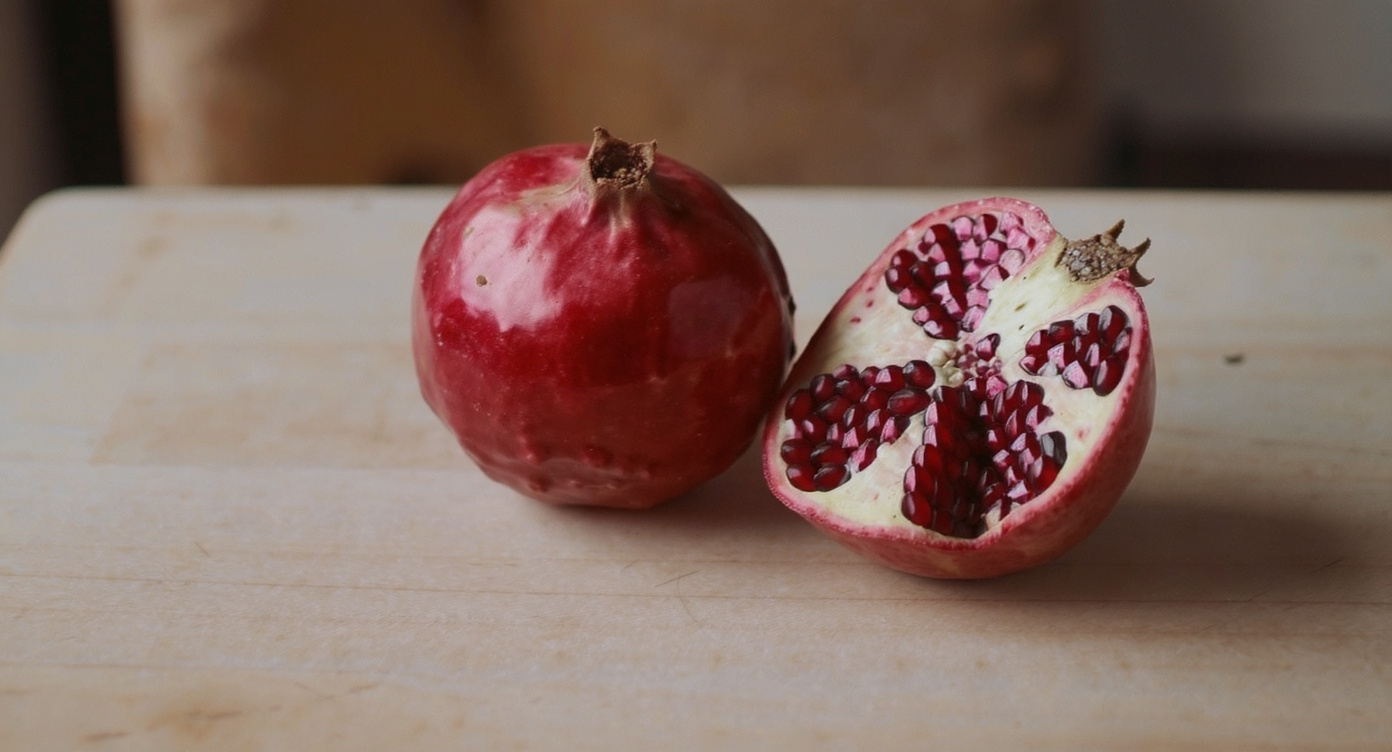
Researchers have discovered that a special compound produced in the gut when consuming foods like pomegranates and walnuts can rejuvenate the immune system in middle-aged adults. This substance helps protect the body from cell damage, inflammation, and chronic diseases, including cancer.
What is Urolithin A and How Does It Work?
Scientists at the Georg-Speyer-Haus Institute for Tumor Biology and Experimental Therapy in Germany have been studying the metabolite urolithin A (UA) for many years. This natural compound is formed in the gut by bacteria breaking down ellagitannins—bioactive polyphenols found in pomegranates, almonds, walnuts, and certain berries. In 2022, the team demonstrated for the first time that UA triggers the rejuvenation of mitochondria—the energy centers of cells—in T-lymphocytes, making these immune cells more effective at fighting cancer. However, the benefits of urolithin A extend beyond its anti-tumor effects.
Impact on Immune Aging
As people age, their immune system gradually weakens: both innate and adaptive immunity become less effective, inflammation increases, and the risk of infections and cancer rises. One key change is the loss of naive T-cells, which are the first line of defense against pathogens, and an increase in memory T-cells. This shift makes the body less capable of fighting infections and contributes to the development of chronic diseases.
If it were possible to "reprogram" T-cells by providing them with new energy sources, this could slow the natural decline of the immune system and reduce negative health consequences.
Clinical Study Results
In a randomized, double-blind, placebo-controlled study involving 50 healthy adults aged 45 to 70, participants received either urolithin A supplements or a placebo for 28 days. Immune markers were assessed before and after the course.
The study found that urolithin A safely rejuvenates the immune system in several ways. It increased the number of well-functioning CD8+ T-cells (cytotoxic T-lymphocytes), which are crucial for fighting pathogens. These cells showed higher levels of the protein PGC-1α, which regulates the formation of new mitochondria. Participants taking UA also experienced reduced oxidative stress and changes in inflammatory markers.
UA activated mitophagy—the process of renewing and recycling energy sources in cells—which significantly increased the number of young naive T-cells and improved the immune system’s ability to destroy harmful bacteria.
Biosynthesis of Urolithin A and Future Prospects
The production of urolithin A largely depends on the composition of the gut microbiota. Microbial groups involved in breaking down ellagitannins include Proteobacteria, Clostridium, Bifidobacterium, Eubacterium, and Enterococcus faecium. Thanks to its positive effects on mitochondria, UA is the subject of extensive research: it is being studied for its potential in treating depression, enhancing muscle endurance and strength, reducing inflammation and oxidative stress in athletes, and as a promising tool in the fight against obesity.
The Significance of the Discovery
"This study is an important first step showing that urolithin A can safely enhance immune function in humans," noted lead researcher Dr. Dominik Denk from the University Hospital Frankfurt. UA’s potential for cancer treatment is of particular interest.
While most attention has focused on the use of urolithin A in oncology, the results suggest its benefits could be much broader—especially for slowing age-related changes in the immune system.
Dr. Florian Greten, director of Georg-Speyer-Haus, emphasized: "A strong immune system is incredibly important. By rejuvenating immune cells, we can make anti-cancer therapies more effective for a greater number of patients. We have already begun further studies in patients undergoing immunotherapy and are hopeful for positive results."
The study was published in the journal Nature Aging.