

Brazilian frogs have spread a deadly fungus around the world.
A new study has shown that international trade in live frogs from Brazil has contributed to the global spread of a deadly fungus that threatens hundreds of amphibian species.
Natura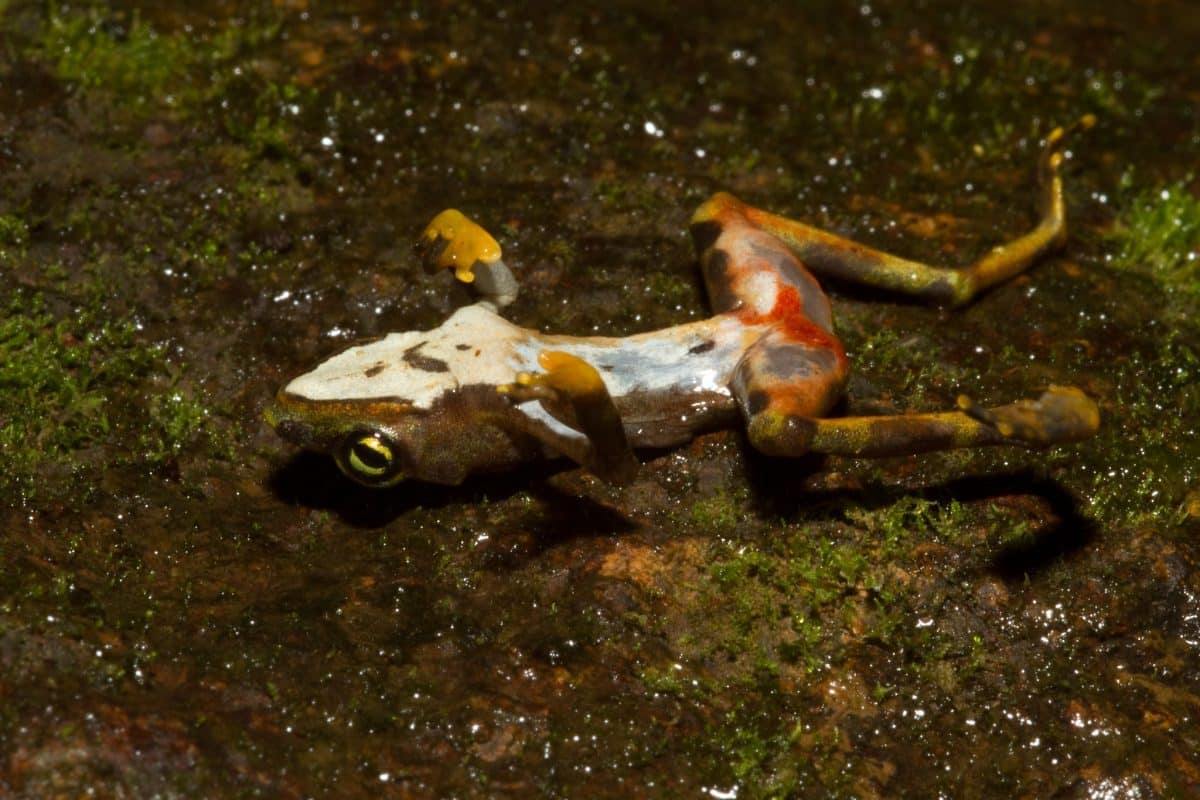
Amphibians are susceptible to a number of dangerous diseases, with fungal infections standing out as particularly significant. Recent studies have shown that the international trade in frogs from Brazil, many of which carried a local strain of fungus, has contributed to its spread across the globe.
The Batrachochytrium dendrobatidis Fungus and Its Consequences
The pathogenic fungus Batrachochytrium dendrobatidis (Bd) causes a deadly skin disease in amphibians known as chytridiomycosis. Since the late 20th and early 21st centuries, this fungus has spread worldwide and, according to scientists, has already led to the decline of more than 500 amphibian species, with around 90 considered completely extinct.
Unclear Origins and Routes of Spread
For a long time, the origins and pathways of Bd’s spread remained a mystery. Biologists proposed various hypotheses: perhaps the fungus always existed in different ecosystems but became more aggressive due to climate change, or it originated in a specific region and was only recently introduced to other parts of the world, where local species lacked immunity.
Genetic Lineages of the Fungus
With advances in genetic methods, it became clear that Bd consists of several genetic lineages. The most studied is the global pandemic lineage (Bd-GPL). Another, less known lineage, Bd-BRAZIL, was considered endemic to Brazil’s Atlantic forests. However, it was later discovered in East Asia as well, raising questions about how and why it appeared in that region.
Large-Scale Study of Museum Specimens
In a recent study, scientists conducted an extensive screening of museum amphibian specimens collected worldwide since the early 19th century. Using non-invasive techniques, they identified ancient traces of infection, allowing them to create a detailed timeline and map of the pathogen’s spread before its official description in 1999.
The Role of the Bullfrog and Trade Flows
Special attention was given to the bullfrog—one of the main carriers of the fungus. Researchers performed genetic typing of fungal samples from Brazilian frog farms and sequenced mitochondrial DNA from frogs in various countries to trace their relationships and possible movement routes. At the same time, they analyzed the structure of the global trade in live bullfrogs over the past 50 years, which helped identify key exporting and importing countries.
Overlap of Trade Routes and Fungus Spread
It turned out that on Brazilian farms, the Bd-BRAZIL lineage predominates, creating a constant source of infection for animals exported abroad. The map of trade routes almost exactly matched the pattern of this lineage’s global spread. Data showed active export of live frogs from Brazil to the USA in the 1990s and 2000s, and later from the USA to South Korea in the mid-2000s.
Chronology and Connection to Trade
The timeline of trade operations coincided with or even preceded the first detections of Bd-BRAZIL in new regions. Almost all cases of this lineage found outside Brazil were linked specifically to traded or farmed bullfrogs, not to local wild species.
Global Spread Through Legal Trade
Thus, the endemic Brazilian lineage of this deadly fungus was unintentionally spread worldwide through legal channels of international trade in live bullfrogs. This does not refer to the trade in frozen frog legs, where the pathogen cannot survive, but rather to the movement of live, outwardly healthy but infected animals for the establishment of new farms and sale in markets.