

Audio shield helps manage distractions in ADHD
Researchers from Stanford have proposed an innovative way to support attention in ADHD—by amplifying the everyday sounds of routine actions. This approach helps increase mindfulness and reduce distractions without the use of medication.
Ingenium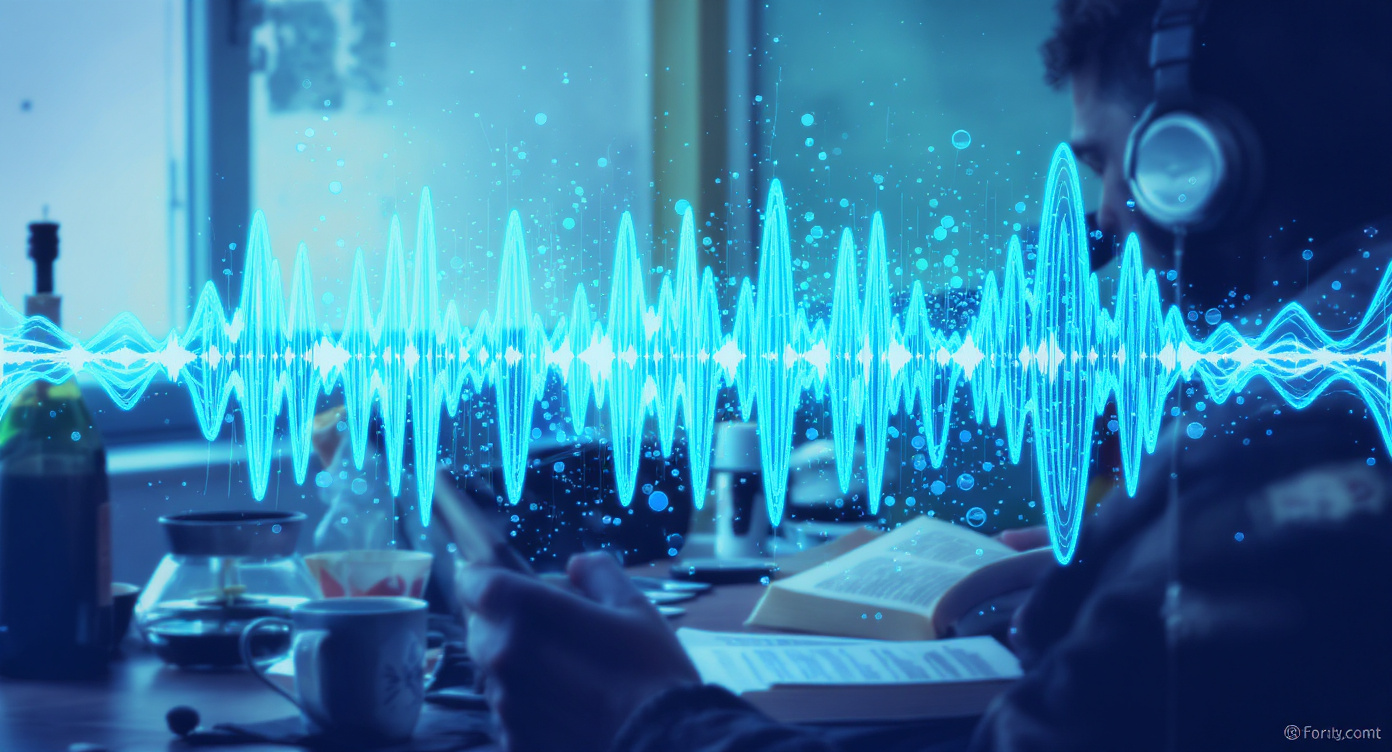
ADHD (Attention Deficit Hyperactivity Disorder) is not only a serious medical issue but also a significant economic burden for both society and individuals who face this condition daily.
Economic and Emotional Costs of ADHD
According to the A.D.D. Resource Center, annual costs associated with ADHD exceed $150 billion for the U.S. economy ($122.8 billion for adults and $33.2 billion for children). Most of these expenses are not due to medical care or hospitalizations, but rather to lost productivity, unemployment, and the need for additional care—these factors account for 74–86% of all costs. Beyond financial losses, ADHD is often accompanied by anxiety and depression, which further diminish quality of life and require additional resources.
A New Approach to Supporting Attention
What if there were a simple, non-pharmaceutical, non-addictive way to reduce the impact of ADHD through mindfulness practice, without the need for consumables or expensive subscriptions? Researchers at Stanford have proposed an innovative solution, similar in effect to self-generated ASMR, but more accessible and practical.
Audio Enhancement Technology for Mindfulness
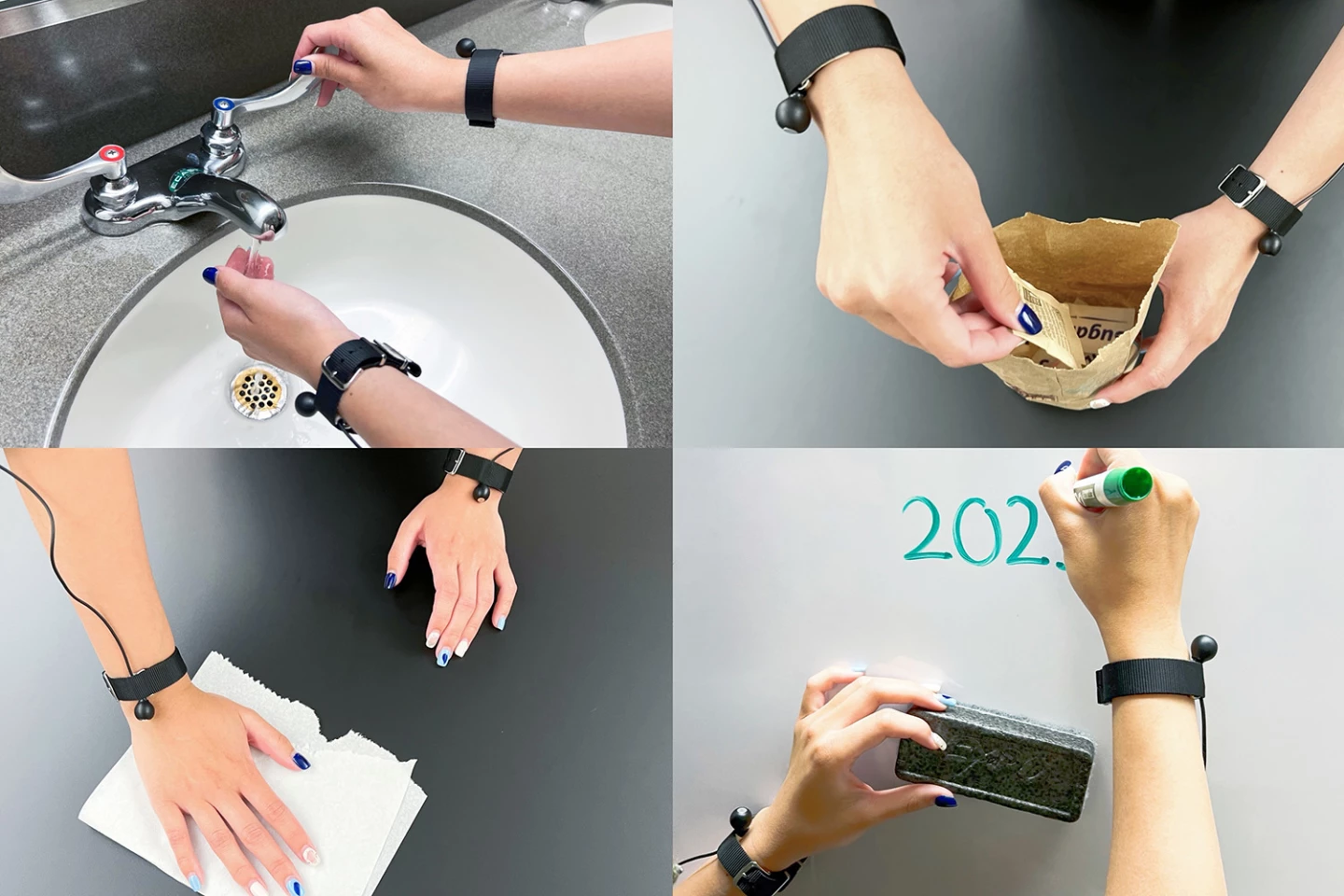
The method involves using headphones connected to small microphones attached to the hands. This setup allows users to hear subtle sounds from everyday actions—like water running, fingers tapping on a table, or the rustle of touching one’s face. These audio cues help maintain focus and shield against constant digital and analog distractions.
During experiments, participants who used the so-called "audio shield" were able to stay on task longer, used trial-and-error strategies more often instead of giving up, and reported increased mindfulness.
Mindfulness in Everyday Life
Sean Follmer, Associate Professor of Mechanical Engineering and head of the SHAPE Lab at Stanford, emphasizes the importance of restoring attention: “We often waste time mindlessly scrolling through our phones while making coffee or waiting in line, missing out on real-life moments. We wanted to create something that helps us be more attentive to the world around us and appreciate it more than digital reality.”
Yuzze Tao, lead author of the study and a graduate student in informatics, notes that enhancing attention to routine actions transforms habitual processes into more mindful experiences and draws people into real life.
Research Results
In laboratory conditions, 60 participants (half of whom used the audio shield) interacted with various objects. Using the Mindful Attention Awareness Scale and behavioral analysis, it was found that audio shield users demonstrated a statistically significant higher level of mindfulness, interacted with objects for longer, and used trial-and-error methods more frequently.
An additional qualitative study with mindfulness trainers confirmed these findings. One participant noted that with the audio shield, they felt “safe” and could “just be a child and play.” Another added that the device helped them “fall in love with the world again and regain a lost sense of wonder.”
Advantages of the Audio Shield Over Other Methods
Unlike many existing mindfulness techniques that require listening to guided instructions or finding solitude (which is not always possible when caring for children or working in an office), the audio shield allows you to perceive the world with new ears. This novelty boosts curiosity, clarity, and attention, fostering the development of mindfulness.
Follmer highlights: “By reproducing real sounds in real time, our device offers a new perspective on ordinary actions and encourages greater presence in the moment.”
Future Prospects
Tao and her team plan to study the long-term benefits of the audio shield, its application in existing mindfulness programs, and its use in therapy for anxiety and ADHD. As Tao notes: “We believe this device can help all of us rediscover our understanding of the world around us.”