

New Risks Discovered in Firefighters' Flame-Resistant Clothing
A new study has found that even firefighter protective gear without PFAS may contain brominated flame retardants, which could pose health risks. This highlights the importance of transparency when selecting materials for protective equipment.
Natura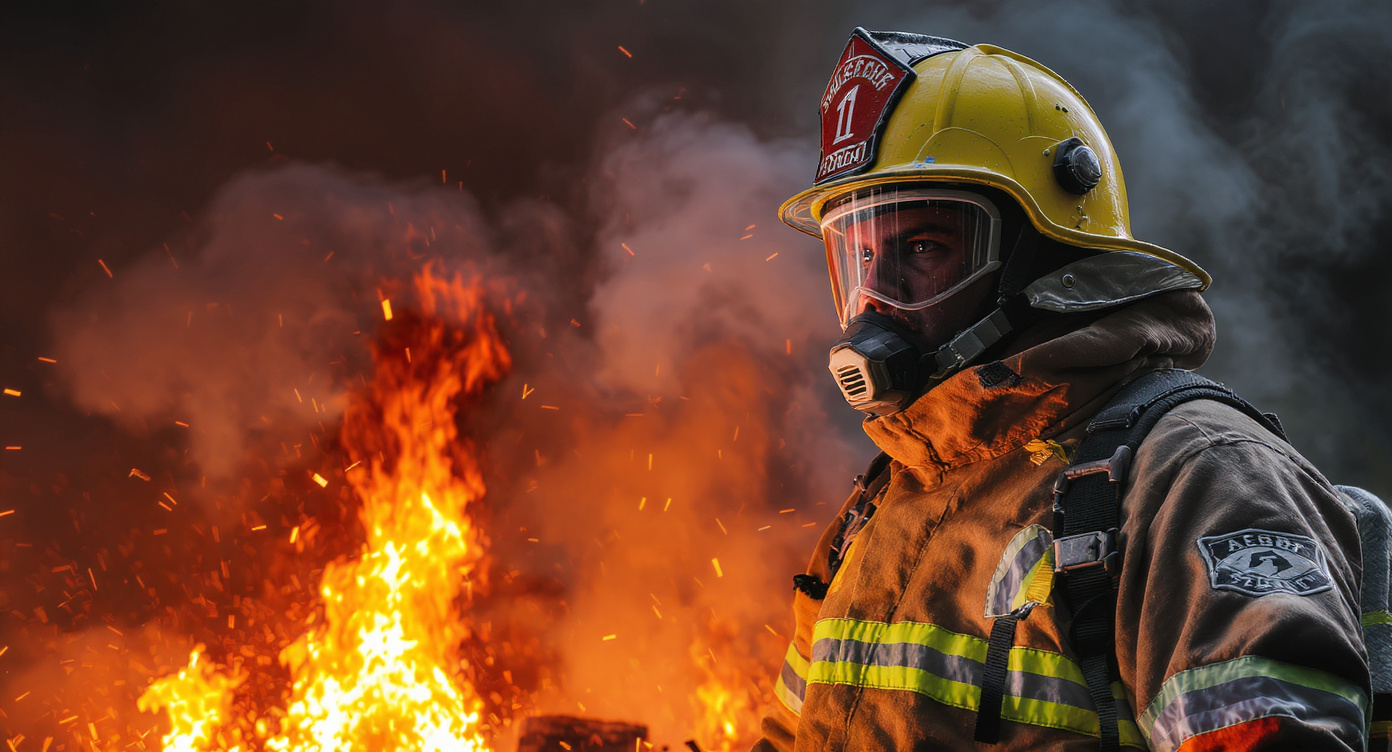
A new study has found that firefighters' protective gear often contains brominated flame retardants, even in products labeled as PFAS-free. This discovery suggests that eliminating one class of chemicals may lead to the use of other substances with potential health risks.
Key Findings of the Study
The research, published on December 16 in Environmental Science & Technology Letters, revealed that some firefighter gear contains brominated flame retardants—chemical compounds that can pose health hazards. This is the first formal study in the U.S. to document the use of brominated flame retardants in the gear firefighters wear during emergency calls. The findings could influence fire departments’ decisions about whether to continue using existing equipment or consider replacements.
Modern firefighter protective clothing consists of three layers: a fire-resistant outer shell, a moisture barrier that blocks microbes while allowing airflow, and an inner lining that helps regulate body temperature. According to Professor Heather Stapleton of Duke University, manufacturers treat these materials with chemicals to meet the strict safety standards of the National Fire Protection Association.
PFAS and Their Substitutes
In recent years, firefighters have raised concerns about the presence of PFAS in their protective gear. These chemicals are used to repel oil and water and can also enhance fire resistance. Numerous studies have linked PFAS exposure to health issues, including certain types of cancer. While a direct link between PFAS in gear and health outcomes for firefighters has not been established, manufacturers have begun phasing out these substances. In several states, laws banning the purchase of PFAS-containing gear will take effect in 2027.
With the move away from PFAS, attention has shifted to alternative chemicals. Manufacturers typically do not disclose the exact composition of chemical treatments. Stapleton noted that there were rumors one manufacturer might be using brominated flame retardants in PFAS-free textiles. Since some of these are known to be toxic, the researcher requested a sample of such gear for testing.
The Impact of Brominated Flame Retardants
Brominated flame retardants are often added to fabrics and other products to reduce flammability. Exposure to these chemicals has been linked to health risks, including cancer, thyroid disorders, and developmental problems in the brain.
Initial testing by Stapleton confirmed the presence of brominated flame retardants in the sample of protective gear. This led to a larger study in collaboration with scientists from the University of North Carolina and the International Association of Fire Fighters. The goal was to determine how frequently PFAS and brominated flame retardants appear in gear produced over different years.
Analysis of Gear Layers
The researchers analyzed nine sets of used gear manufactured between 2013 and 2020, as well as three new sets from 2024 marketed as PFAS-free. Each layer of the gear was tested for PFAS and brominated flame retardants using two analytical methods. This approach allowed them to measure both the total chemical content and the “extractable” portion—what could potentially be released during use.
As expected, PFAS were found in all gear produced from 2013 to 2020. In the new 2024 sets, only low or undetectable levels of extractable PFAS were found, confirming the manufacturers’ claims of no PFAS treatment. Small amounts likely came from environmental exposure during use.
Brominated flame retardants were detected in all tested sets, with extractable levels often exceeding those of PFAS.
Elevated Levels in PFAS-Free Gear
The highest concentrations of extractable brominated flame retardants were found in gear labeled as PFAS-free, especially in the moisture barrier layer. According to Stapleton, this suggests that manufacturers intentionally added brominated flame retardants to meet fire resistance requirements, likely replacing the previously used PFAS.
Among the chemicals identified, decabromodiphenyl ethane (DBDPE) showed the highest levels. While no studies on DBDPE’s health effects have been conducted in the U.S., researchers referenced a 2019 study of chemical plant workers in China, which found a link between DBDPE exposure, altered thyroid hormone levels, and signs of thyroid disease.
Stapleton expressed surprise that manufacturers use DBDPE in protective gear, as it has properties similar to the toxic substance decaBDE, which is almost entirely banned worldwide, raising questions about its safety.
The Role of Fire and Manufacturing Decisions
In gear produced from 2013 to 2020, the outer layer typically contained higher levels of extractable brominated flame retardants than the moisture barrier or inner lining. This is likely due to the accumulation of chemicals from smoke and soot during fires. When building materials burn, brominated flame retardants can be released into the air, settle on gear, and are difficult to wash out.
The presence of these substances in the inner layers suggests that some manufacturers were adding brominated flame retardants to protective gear even before the shift away from PFAS.
Assessing Risks and Costs
Although researchers have not yet determined the exact exposure levels or long-term health effects for firefighters, the study provides new information for fire departments evaluating protective gear.
“Protective gear is very expensive—one set costs thousands of dollars—and firefighters use it for many years. Departments must consider both financial and personal risks when deciding whether to keep or replace equipment,” noted study co-author Professor Brian Ormond of the University of North Carolina.
Stapleton added that some manufacturers already offer gear free of both PFAS and brominated flame retardants. She urged fire departments to demand greater transparency about the chemical treatments used in their equipment.
“We know firefighters are exposed to many chemicals because of the dangers of their work, and they shouldn’t have to worry about additional exposure from their own gear. These individuals are a vital part of public safety and deserve respect and protection,” Stapleton emphasized.