

Brushing your teeth reduces the risk of pneumonia in hospitals
A large study has shown that regular oral hygiene in hospitalized patients reduces the risk of hospital-acquired pneumonia by 60%. Simple measures, such as brushing teeth, can significantly improve patient safety during treatment.
Salus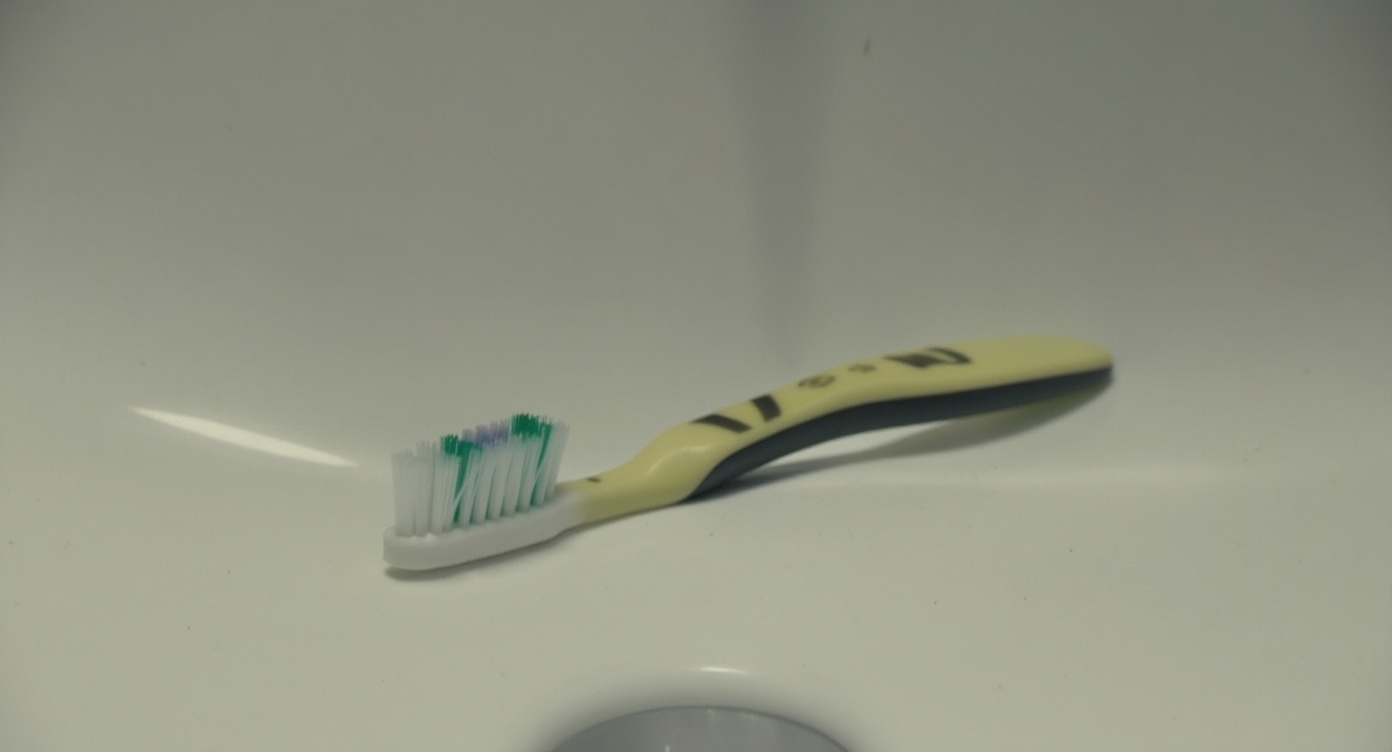
People undergoing inpatient treatment rarely use dental floss, toothpaste, or a toothbrush. However, the results of a large study involving nearly 9,000 patients showed that regular oral care can significantly reduce the risk of developing hospital-acquired pneumonia.
Hospital-Acquired Pneumonia and Risk Factors
Hospital-acquired pneumonia is a lung infection that develops 48 hours or more after hospital admission. The risk is especially high for patients on mechanical ventilation (MV), as breathing tubes make it easier for pathogens to enter and accumulate in the lower respiratory tract, increasing the likelihood of infection.
However, pneumonia can also develop in patients who are not connected to ventilators. As early as two days after admission, symptoms such as high fever, cough, and shortness of breath may appear. The exact causes of infection in these patients are not fully understood, but it is known that pneumonia increases hospital stay duration, treatment costs, and mortality rates.
The Role of the Oral Microbiome
The human mouth hosts a complex bacterial ecosystem known as the microbiome. During hospitalization, its composition changes, and with poor hygiene, the number of bacteria can increase significantly. These bacteria, together with saliva, can enter the respiratory tract and lungs, raising the risk of pneumonia.
Oral Hygiene in the Hospital
In hospitals, daily hygiene often becomes a lower priority: many patients do not brush their teeth, and medical staff rarely include oral care in standard procedures. Researchers set out to determine whether regular oral hygiene could reduce the likelihood of hospital-acquired pneumonia.
Study Design and Results
The study involved 8,870 patients from three Australian hospitals. The experiment lasted a year and became the largest of its kind. For the first three months, researchers only observed patients’ conditions using medical records. Then, every three months, a new practice was introduced in one of the hospitals: patients were given a toothbrush, toothpaste, and instructions on proper dental care. By the end of the experiment, all participants were using hygiene products.
At the same time, nurses were trained in oral care, provided with clinical guidelines, and asked to remind patients to brush their teeth and use dental floss, as well as assist those unable to do so themselves.
Before the program, only 15.9% of patients practiced oral care; after implementation, this figure rose to 61.5%. On average, teeth were brushed 1.5 times per day.
The Impact of Hygiene on Disease Rates
After switching to the new practice, the incidence of hospital-acquired pneumonia among non-ventilated patients dropped significantly: from one case per 100 hospital days to 0.41. Thus, the risk of infection decreased by 60%. For healthcare facilities, this is a significant improvement achieved without complex technologies or expensive procedures.
Individual Differences
The effect of regular tooth brushing can vary from person to person. Much depends on the illness that brought the patient to the hospital and their pre-hospitalization habits. Those who brushed their teeth twice a day at home were more likely to continue this routine in the hospital. Patients who previously paid little attention to oral hygiene were harder to motivate to maintain regular care.
Presentation of Results
The study results were presented at the European Congress of Clinical Microbiology and Infectious Diseases in Munich.