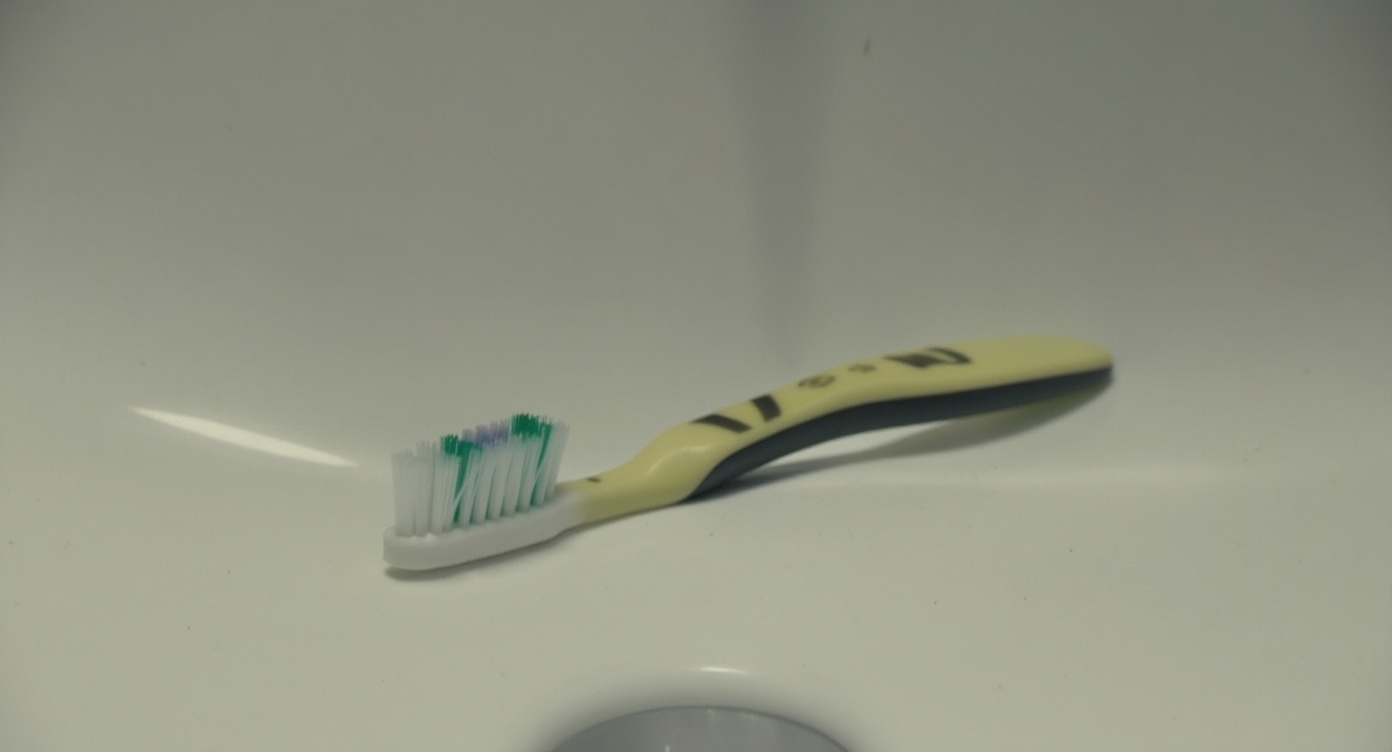
A large study has shown that regular oral hygiene in hospitalized patients reduces the risk of hospital-acquired pneumonia by 60%. Simple measures, such as brushing teeth, can significantly improve patient safety during treatment.
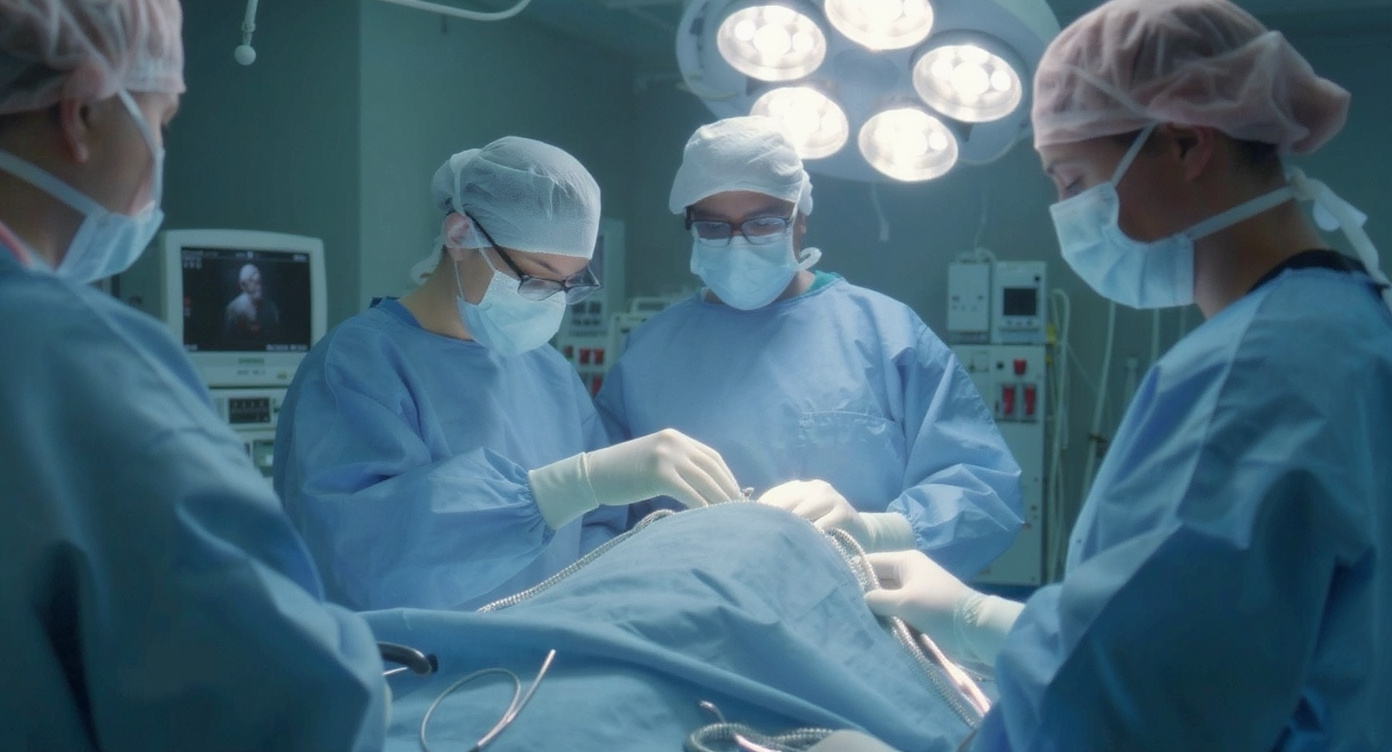
For the first time, a case has been documented in which a patient survived for 48 hours without lungs thanks to an artificial lung system, while awaiting a double transplant. This experience opens up new possibilities for saving lives in cases of acute lung injury.
A new study has shown that a significant vitamin D deficiency is linked to an increased risk of hospitalization due to respiratory infections. Taking vitamin D supplements is especially important during the winter months and for people in high-risk groups.
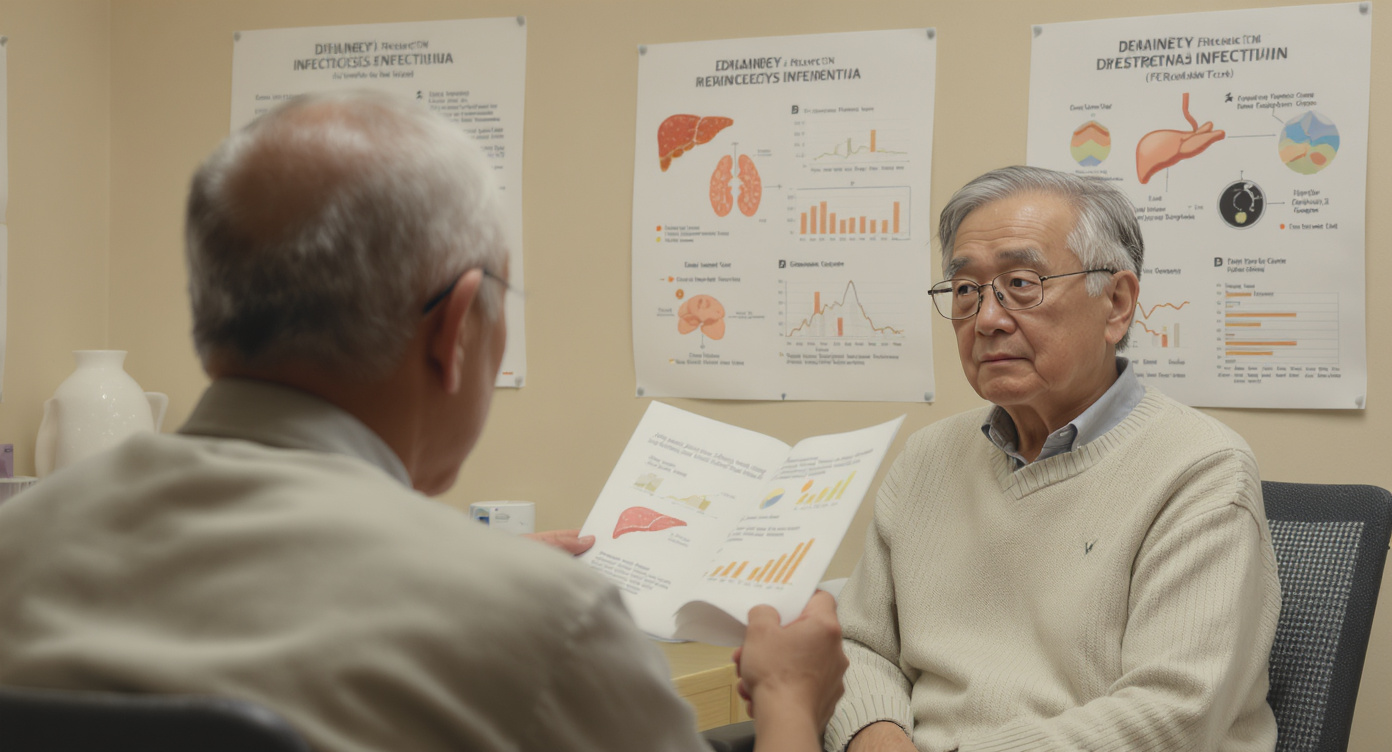
Hospitalization due to severe infections, such as sepsis or pneumonia, significantly increases the risk of developing dementia, especially in people over the age of 60. Scientists recommend careful monitoring of cognitive health after recovering from such infections.

 Salus
Salus