

The patient survived for two days without lungs.
For the first time, a case has been documented in which a patient survived for 48 hours without lungs thanks to an artificial lung system, while awaiting a double transplant. This experience opens up new possibilities for saving lives in cases of acute lung injury.
Salus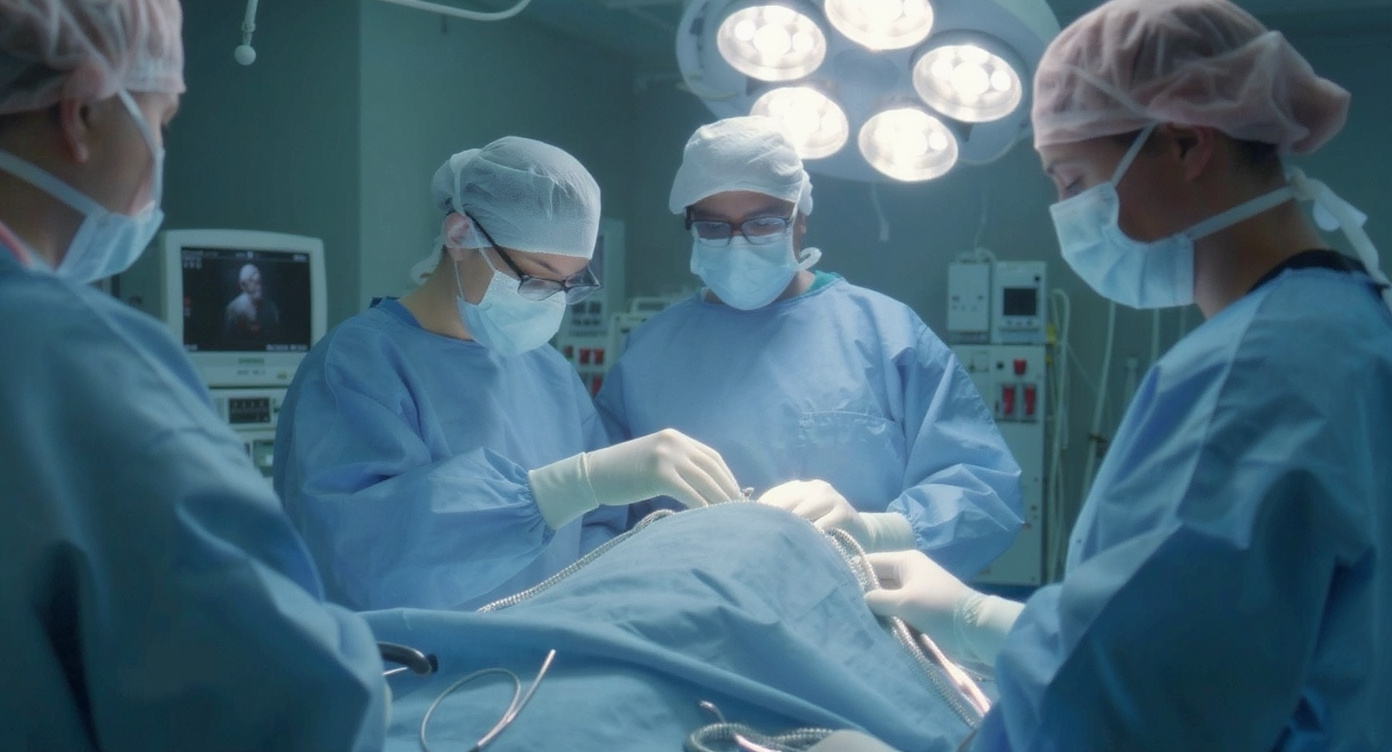
A human cannot survive without lungs, yet in one extraordinary medical case, a patient lived for 48 hours without this organ.
Case Description
The medical journal Med published a report about a patient whose both lungs were removed due to a severe infection. To sustain life until a double lung transplant could be performed, doctors used an artificial lung system. This case demonstrates the possibility of temporarily supporting critically ill patients while they await donor organs.
Course of the Illness
The patient developed a severe form of acute respiratory distress syndrome (ARDS) with multiple organ failure. After being admitted to the hospital, he suffered cardiac arrest and required cardiopulmonary resuscitation. The infection destroyed his lung tissue, making organ recovery impossible. In such situations, the outcome is usually fatal.
The patient was a 33-year-old man whose illness began with the flu, which was complicated by bacterial pneumonia. His condition worsened, leading to failure of the lungs, heart, and kidneys. His only chance of survival was a double lung transplant.
Surgical Intervention and Artificial Lung
The patient’s lungs were irreversibly damaged and contributed to the spread of infection. However, his condition did not allow for an immediate transplant, so time was needed for stabilization. To keep him alive, an artificial lung system was used, temporarily performing the functions of the removed organs: oxygenating the blood, removing carbon dioxide, and maintaining blood circulation, allowing the heart and other organs to function.
After the damaged lungs were removed, the patient’s condition improved: his blood pressure stabilized, his organs began to recover, and the infection was brought under control. Two days later, donor lungs became available, and a successful double transplant was performed. More than two years after the surgery, the patient is living a full life with normally functioning lungs.
New Insights into Irreversible Lung Damage
Typically, lung transplants are performed for chronic diseases such as interstitial lung disease or cystic fibrosis. It was previously believed that even in severe ARDS, the lungs could recover with supportive therapy. However, analysis of the removed lungs showed extensive scarring and immune system damage, indicating that tissue recovery was impossible.
For the first time at the molecular level, it was confirmed that some patients require a double lung transplant to survive.
Future Prospects
Currently, such operations are possible only in specialized medical centers with the necessary resources and expertise. In the future, artificial lung systems are expected to become more widespread, allowing patients to be supported while waiting for donor organs.
Clinical practice shows that young patients are often lost because transplantation was not considered as a treatment option. In cases of severe lung damage caused by viruses or infections, even in acute situations, transplantation can save lives.