

Cruciferous vegetables help stabilize blood sugar and reduce health risks.
Recent studies show that regularly consuming cruciferous vegetables helps stabilize blood sugar levels, reduces the risk of colorectal cancer, and supports blood pressure control.
Salus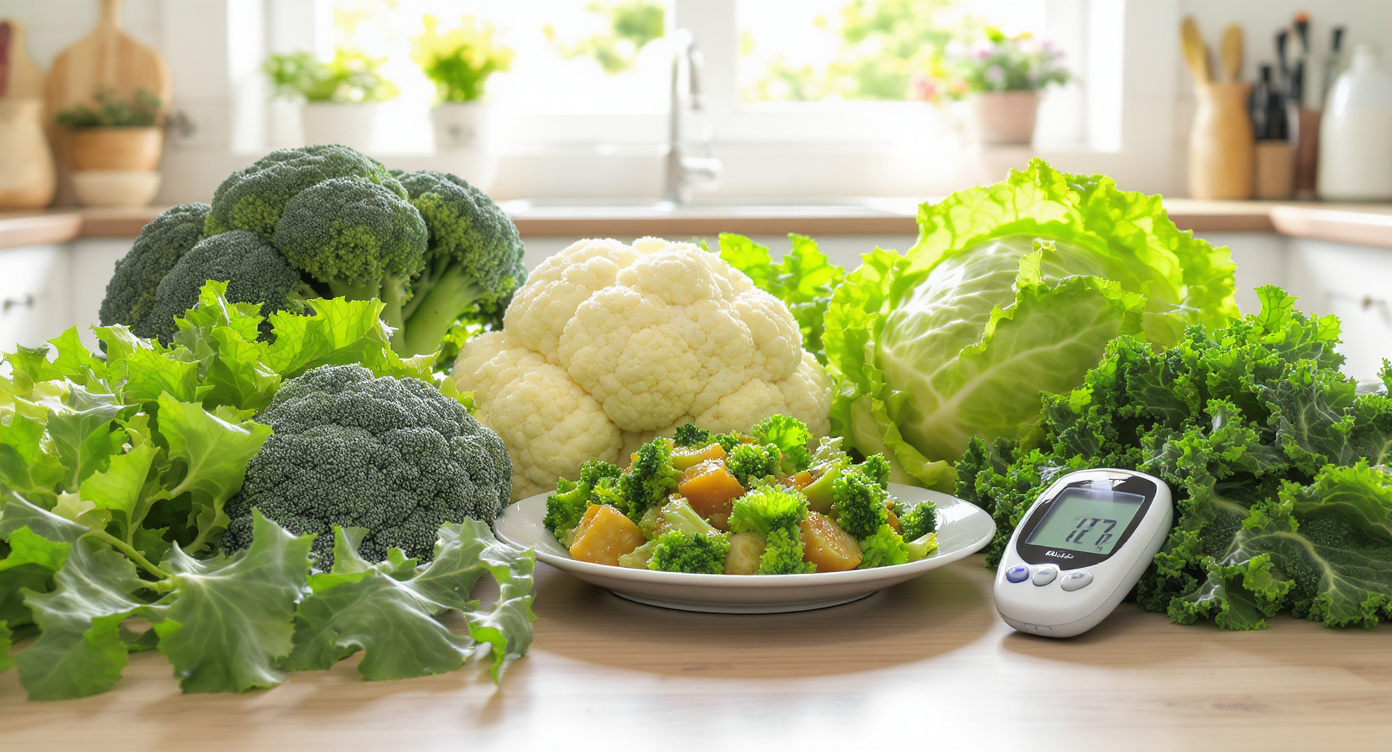
New scientific evidence has emerged confirming that cruciferous vegetables help stabilize blood sugar levels. This is especially important for people with type 2 diabetes and those at risk. In addition, these vegetables can reduce the risk of developing colon cancer and help control blood pressure.
Study and Its Results
In a randomized controlled crossover study conducted by Edith Cowan University (ECU), 18 participants with an average age of 68 consumed four servings daily of either cruciferous vegetables (such as broccoli, cabbage, cauliflower, kale) or root and gourd vegetables (carrots, potatoes, pumpkin, sweet potatoes) during lunch and dinner for two weeks.
The participants wore glucose monitors, allowing researchers to continuously track their blood sugar levels. According to ECU researcher Emma Connolly, when participants ate cruciferous vegetables, their blood sugar levels were less prone to sharp fluctuations compared to the period when they consumed root and gourd vegetables. There was also a smaller spike in blood sugar after meals.
One of the main goals in managing blood sugar, especially for diabetics, is to smooth out sharp changes and reduce glucose variability throughout the day. More stable blood sugar levels are associated with better overall well-being and health.
Health Benefits
Although the study was small, its results showed that vegetables like broccoli, cabbage, cauliflower, and kale have a significant impact on glycemic control, which is particularly beneficial for diabetes and cardiovascular diseases. According to researchers, poor glycemic control affects 541 million people worldwide.
Including four servings of cruciferous vegetables in your daily diet is easy—this is about 300 grams or 1.5 cups of vegetables. Previously, it was believed that the natural compound sulforaphane was responsible for regulating blood sugar, but the exact mechanism is still not fully understood.
Additional Benefits
Recent studies have also shown that regular consumption of cruciferous vegetables significantly reduces the risk of colon cancer—one of the most common types of cancer, claiming nearly a million lives worldwide each year. Scientists note that eating 20–40 grams of these vegetables daily can lower the risk of the disease by 20%.
Last year, ECU researchers found that a two-week diet rich in cruciferous vegetables significantly reduced 24-hour brachial systolic blood pressure in middle-aged and older adults with moderately elevated blood pressure compared to a diet including root and gourd vegetables.
Dietary Deficiency and Recommendations
Despite their benefits, cruciferous vegetables remain among the least consumed. According to the US Centers for Disease Control and Prevention (CDC) for 2019, only one in ten Americans eats the recommended 2–3 cups of vegetables per day. In some states, such as Kentucky, this figure is just 5.6% of the adult population.
ECU dietitian Loren Bleckenhorst emphasizes that adding broccoli, kale, pak choi, gai lan, and cabbage to your diet even a few times a week can significantly improve your health.
Possible Side Effects and Cooking Tips
Some people avoid cruciferous vegetables due to their reputation for causing gas and bloating. This is explained by their high fiber content, complex sugars (raffinose, fructose), and sulfur. Many of these compounds are not fully digested in the stomach and small intestine, so they are fermented by gut bacteria, leading to gas production. On the positive side, this means your gut microbiome is getting good nutrition.
Researchers from McGill recommend cooking cruciferous vegetables—heat treatment destroys some of the indigestible carbohydrates, and chopping (for example, for soups or smoothies) makes digestion easier by breaking down cell walls and fibers.
Conclusion
Although the study is observational, recent data confirm the wide range of health benefits of cruciferous vegetables. Further research is needed to fully understand their mechanisms of action and to effectively include these foods in dietary recommendations for better blood sugar control and overall health.
The study was published in the journal Diabetes, Obesity and Metabolism.