

AI-Powered System Enhances Indoor Green Wall Efficiency
A new AI-powered system developed by Hebrew University leverages advanced imaging and machine learning to optimize indoor green walls, enhancing plant health, lowering maintenance needs, and promoting energy-efficient building design.
Cursus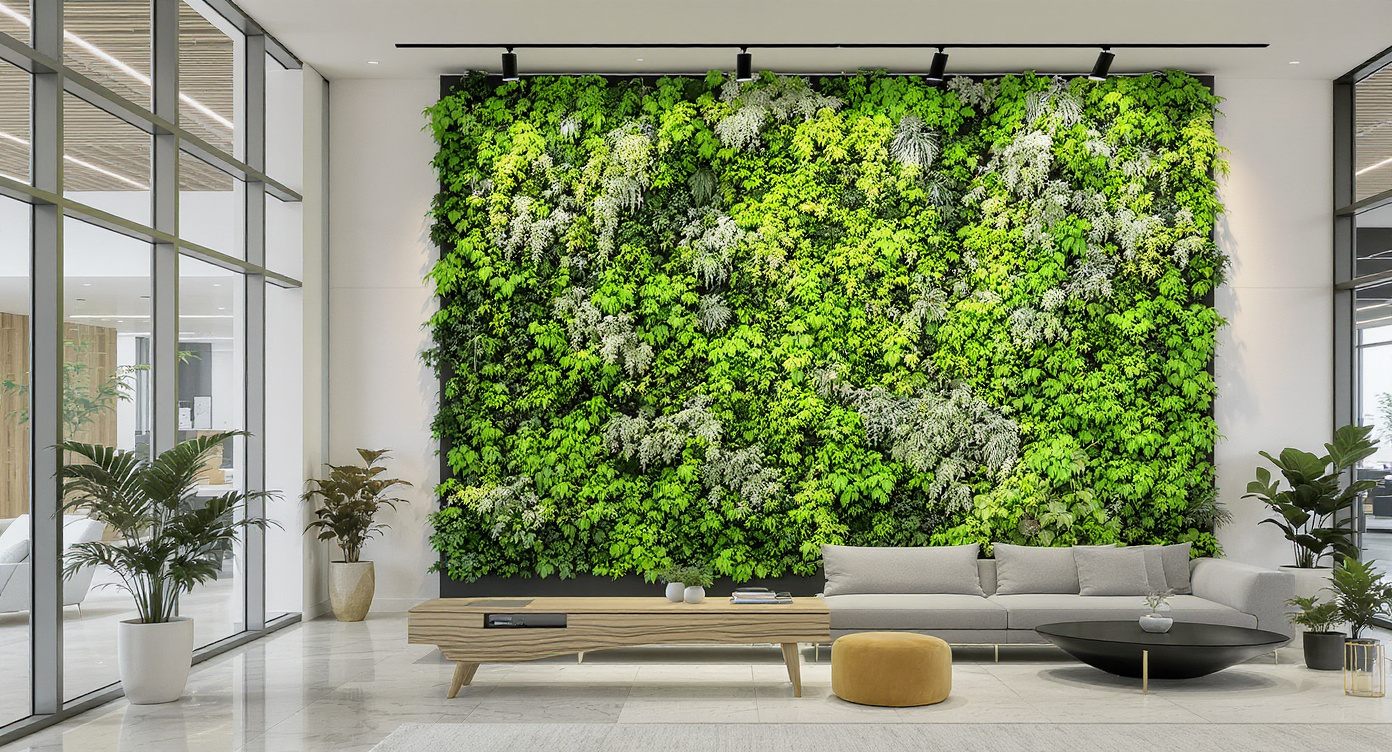
Vertical green walls, which use living plants to enhance indoor air quality and improve interior environments, have demonstrated potential for saving energy. However, their effectiveness often fluctuates due to inconsistent performance and the need for complex maintenance, limiting their broader adoption.
While some installations flourish and help improve air quality and lower energy costs, others struggle with plant health issues and demand intensive upkeep. This inconsistency has made it challenging to fully harness the advantages of green walls indoors.
Researchers at the Hebrew University of Jerusalem have introduced a new system called VertINGreen to tackle these issues. By integrating hyperspectral imaging with machine learning, the system can map out optimal planting patterns across entire walls, detect early signs of plant stress, and send alerts about potential problems weeks before they become visible. This proactive strategy allows for more efficient maintenance, lowers costs, and promotes healthier green wall installations.
To create this system, the research team gathered approximately 2,000 detailed measurements on how indoor plants absorb carbon dioxide and release water under various conditions. This information was used to develop a forecasting tool that predicts the impact of green wall installations on energy use and ventilation requirements.
The VertINGreen system provides architects, engineers, and building managers with reliable data on the expected performance of green walls, enabling more informed decisions about incorporating natural elements into building interiors.
The results of this research, led by Yehuda Yungstein and Dr. David Helman, have been published in the journal Indoor Air.