

Americans have rejuvenated human liver cells for the first time
American biotechnologists have, for the first time, restored youthful characteristics in aged human liver cells using epigenetic reprogramming. The company is preparing for clinical trials to confirm the effectiveness of this method and to expand its use for treating liver diseases and rejuvenating other tissues.
Salus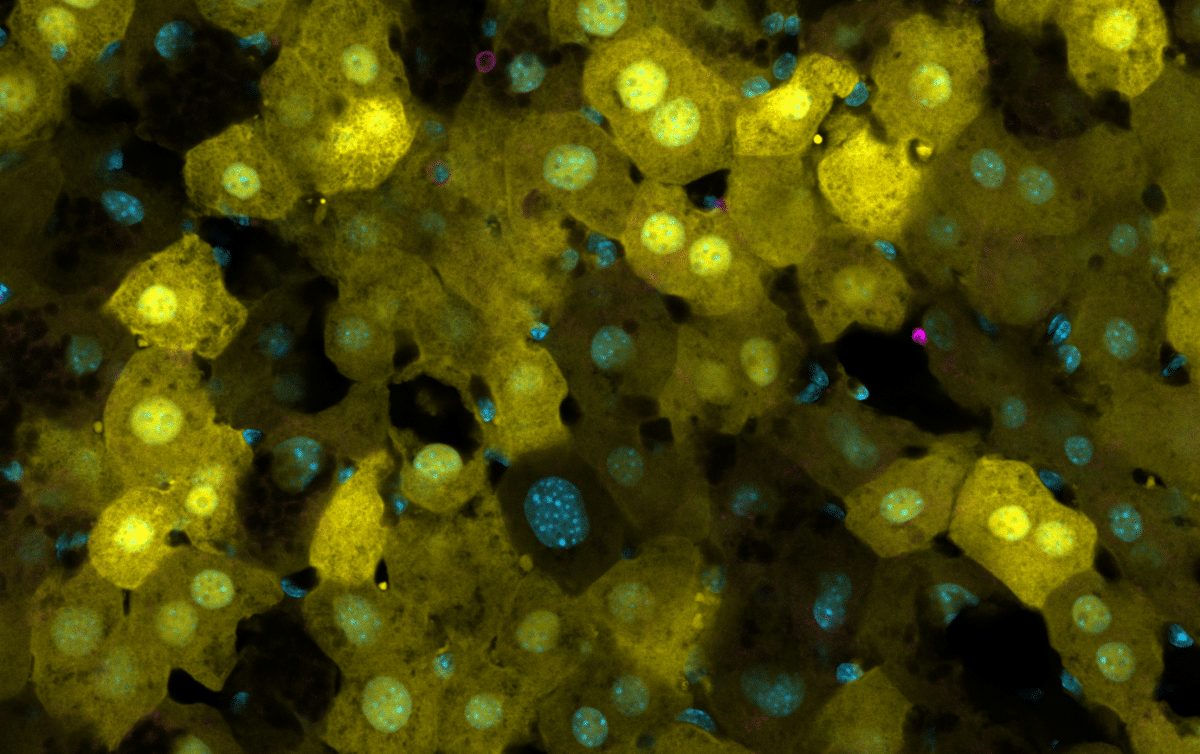
For the first time, American biotechnology companies have reported restoring youthful characteristics in aged human liver cells. Previously, such results had only been achieved in animal models. Following the publication of these findings, the company attracted $435 million in investments and is now preparing for clinical trials.
Epigenetic Reprogramming Technology
The new method developed by the startup NewLimit is based on epigenetic reprogramming. All cells in the body contain the same set of genes, but their functions differ depending on the cell type. Epigenetics—a system of chemical markers on DNA—determines which genes are active at any given time without altering the genetic code itself.
As we age, this system becomes less efficient: the markers become disorganized, and genes stop functioning as they should. As a result, cells lose their ability to regenerate and gradually lose their functions, leading to organ aging.
Restoring Liver Cell Functions
The researchers set out to return the epigenetic settings of cells to a state typical of a young organism. Previously, such results were mainly achieved in rodents, but NewLimit specialists managed to achieve a similar effect in aged human liver cells. After the procedure, the cells regained key functions, including efficient fat metabolism and toxin neutralization.
Finding the Optimal Solution
To identify the best combination of factors, the developers combined genetic analysis, machine learning, and large-scale testing of various options. As a result, they identified three combinations of transcription factors—proteins that regulate gene activity—which restore an expression profile in old liver cells similar to that of young cells.
Delivery of Therapeutic Proteins
The plan is to use mRNA therapy to deliver the necessary proteins into the body. This technology temporarily provides cells with instructions to synthesize the required proteins, using lipid nanoparticles—tiny fat bubbles—as carriers. A similar platform was used in the development of some coronavirus vaccines.
Publication and Next Steps
Detailed laboratory data have not yet been published in scientific journals. The information was disclosed only in the company’s official blog and press release, which is standard practice for attracting investment. There is currently no independent scientific confirmation of the results. The effectiveness of the method in living organisms can only be confirmed by future clinical trials.
Development Prospects
If the trials are successful, the company plans to expand the application of the method. The first phase of testing will focus on treating liver steatosis, while the second will address damage caused by alcohol. In the future, this approach may be used to rejuvenate blood vessel and immune system cells.
The funding round included participation from the major pharmaceutical venture fund Eli Lilly Ventures, highlighting the growing interest of the global pharmaceutical industry in cellular rejuvenation as a promising therapeutic direction.