

Penguins in zoos age faster than their wild counterparts
A study has shown that king penguins in zoos live longer than those in the wild, but their cells age faster due to constant feeding and low physical activity. While comfortable conditions increase their lifespan, they also shorten the period of biological youth.
Cursus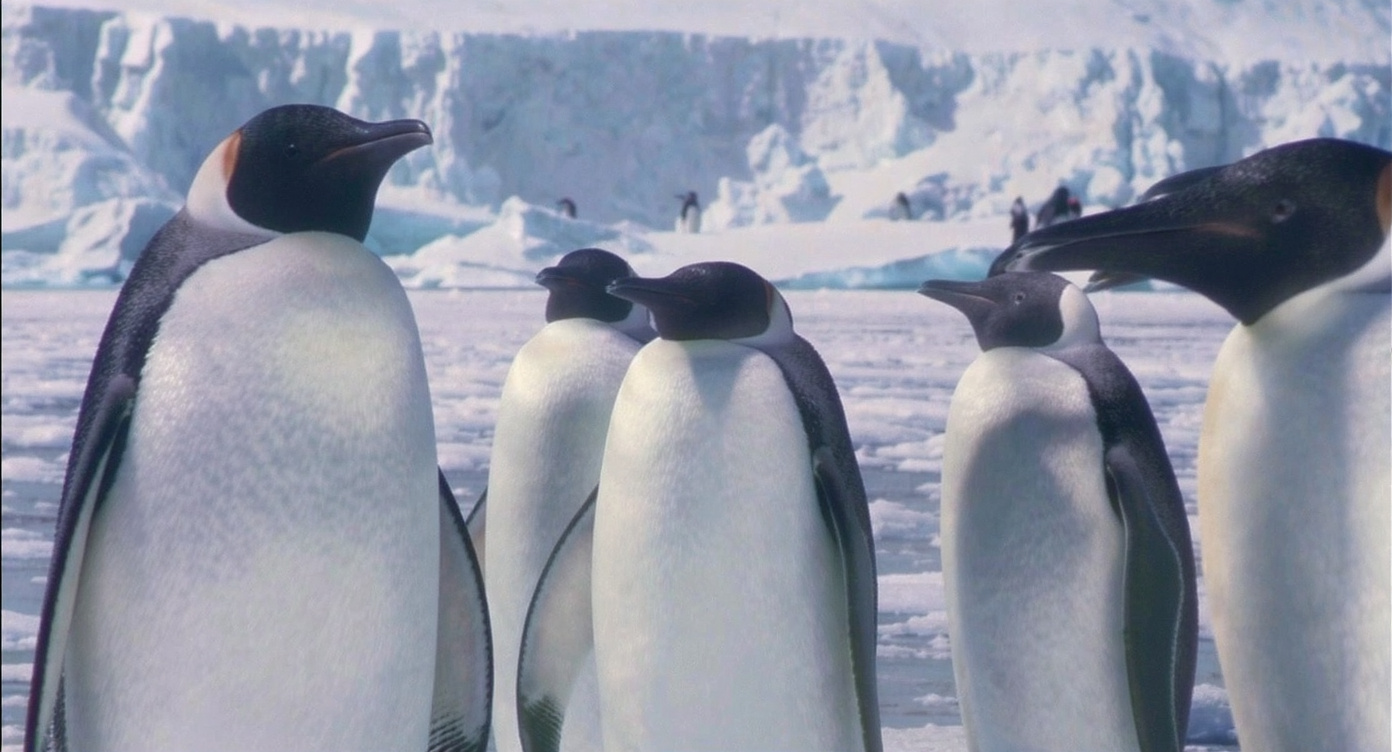
Biologists have compared the biological age of king penguins living in the wild and those kept in zoos. The study revealed that regular feeding and the lack of physical activity in captive penguins lead to accelerated DNA wear, even though veterinary care and a safe environment increase their average lifespan by about one and a half times compared to their wild counterparts.
Lifestyle Features and Research Model
A sedentary lifestyle and excess calorie intake in humans are linked to faster aging processes, but studying these mechanisms in animals in natural conditions is challenging due to the short lifespan of laboratory models. King penguins (Aptenodytes patagonicus) were chosen as a suitable model because, in the wild, they endure long periods of fasting during breeding and travel great distances in search of food, whereas in zoos they are fed regularly and move very little.
Methods and Study Design
As part of the research, peripheral blood samples were collected from 34 wild penguins from the Crozet Archipelago in the Indian Ocean and 30 individuals from the Zurich and Tenerife zoos. The exact age of each bird was known thanks to years of colony monitoring. Biologists measured the level of DNA methylation—chemical markers that change with age—and used the enzymatic conversion method (EM-seq) to build epigenetic clocks for calculating the biological age of the birds. These data were compared with survival curves based on records from international zoos and the results of 25 years of observations of the wild population.
Main Results
The results showed a difference between lifespan and the rate of cellular aging. In zoos, the median lifespan of penguins was 20.7 years, while in the wild it was 13.5 years. However, the epigenetic clocks of captive penguins ticked faster: the cells of zoo penguins were biologically 2.6–6.5 years older than those of their wild peers. For a species capable of living up to 40 years, this gap is considered significant. A mathematical model, validated with human data, showed that the acceleration of aging is comparable to the difference between a smoker and a non-smoker.
Molecular Changes
Changes in DNA methylation affected about 600 regions of the genome, primarily genes regulating cell growth, response to fatty foods, and circadian rhythms (notably, the PI3K/Akt and mTOR signaling pathways). The body mass of birds in both groups was similar, around 11.8–12 kilograms, which ruled out pathological obesity as the main cause of accelerated aging.
Impact of Living Conditions
Constant feeding without physical exertion altered the metabolism of zoo penguins, causing their cells to operate mainly in growth mode at the expense of internal repair and autophagy mechanisms. Significant changes were also observed in the methylation of the glucocorticoid receptor gene (linked to stress levels) and circadian rhythm regulators (the CRY1 gene). In captivity, penguins live under artificial lighting without pronounced seasonal changes, which disrupts their biological clocks at the DNA level.
Conclusions
The mismatch between a species’ genetics and a comfortable habitat leads to accelerated cellular aging. Protection from predators, stable nutrition, and medical care increase animal lifespan, but this comes at the cost of a shorter period of biological youth.