

How brown bears preserve their muscles during winter
Brown bears are able to maintain their muscle strength even after months of hibernation thanks to unique cellular mechanisms. Studying these processes could help develop new ways to combat muscle atrophy in humans.
Cursus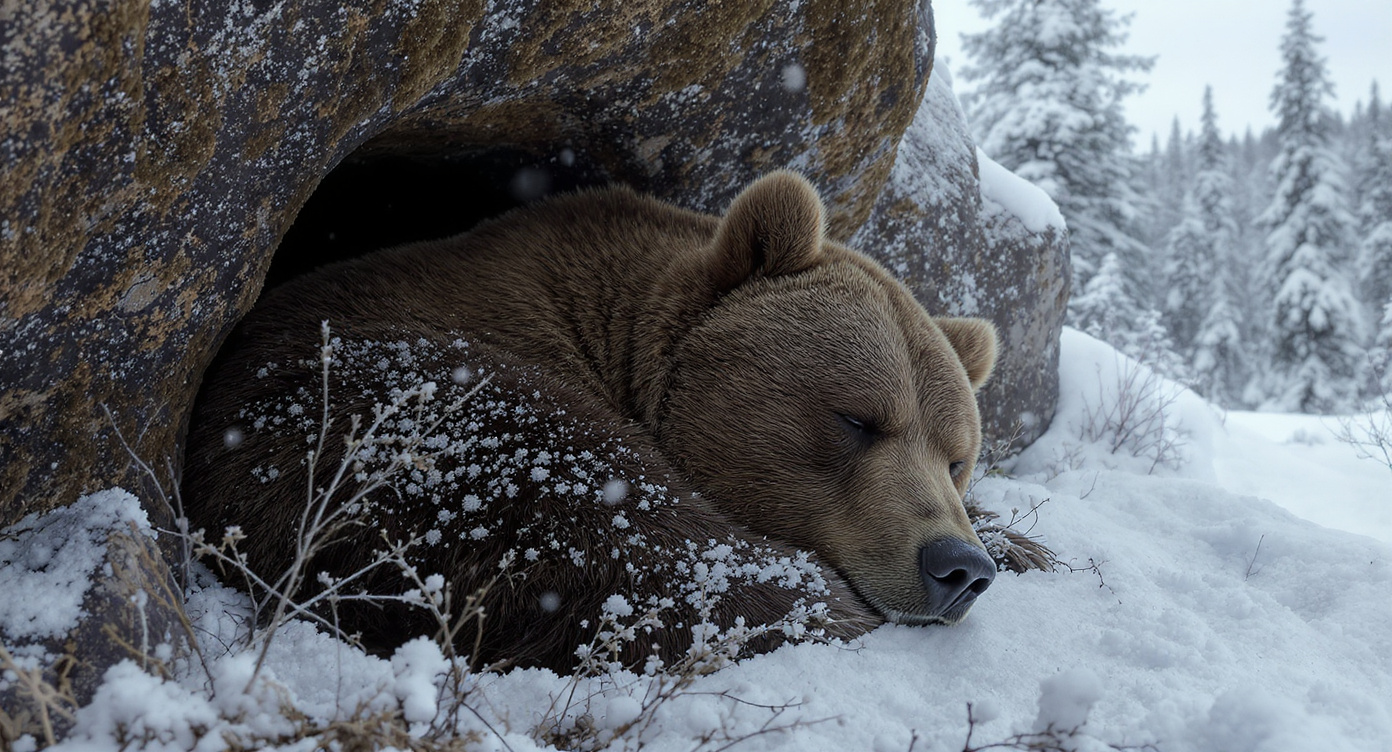
Biological Mechanisms for Preserving Muscle Strength in Brown Bears During Hibernation
Features of Brown Bear Hibernation
Brown bears are capable of hibernating for up to half a year, remaining motionless and abstaining from food and water throughout this period. Remarkably, their muscles retain both strength and mass despite these extreme conditions. When spring arrives, the bears emerge from their dens in good physical shape.
The Problem of Muscle Atrophy in Humans
In humans, prolonged immobility quickly leads to muscle weakening and loss. Muscle atrophy can begin after just a few weeks of bed rest, and recovery often requires lengthy rehabilitation. This issue is especially relevant for patients after major surgeries, the elderly, and astronauts. Modern medicine is still unable to fully prevent muscle atrophy, relying mainly on nutrition and physiotherapy.
Cellular Processes in Bears: Research Findings
An international team of researchers studied wild brown bears in Sweden to uncover how their bodies protect muscle tissue from breakdown. By comparing muscle samples taken in winter and summer, they discovered significant differences at the cellular level.
During winter, the number of mitochondria in bear muscles decreases, but the remaining mitochondria switch to an energy-saving mode and work more efficiently. Bears also alter their metabolic pathways, relying more on complex II proteins, which function better at lower body temperatures.
Metabolic Flexibility and Protection Against Atrophy
Bear muscles can rapidly switch between burning fat and carbohydrates, even during hibernation. In contrast, humans lose this metabolic flexibility during extended inactivity, leading to metabolic disorders. For bears, this adaptability is crucial for survival.
Their cells suppress normal respiration processes but keep key enzymes ready for rapid activation when needed. This allows bears to conserve resources while still being able to instantly mobilize their muscles in case of danger.
Implications for Medicine
Understanding how bears regulate their mitochondria opens up new possibilities for developing treatments to combat muscle atrophy in humans. Researchers plan to use these insights to create effective medications that can mimic the protective processes observed in brown bears.