

European marine worms are being saved from extinction
Research organizations are launching a large-scale project to study and catalog European marine annelids, aiming to accelerate the discovery of new species and deepen our understanding of biodiversity. The collected data will be made available to scientists worldwide for further research.
Cursus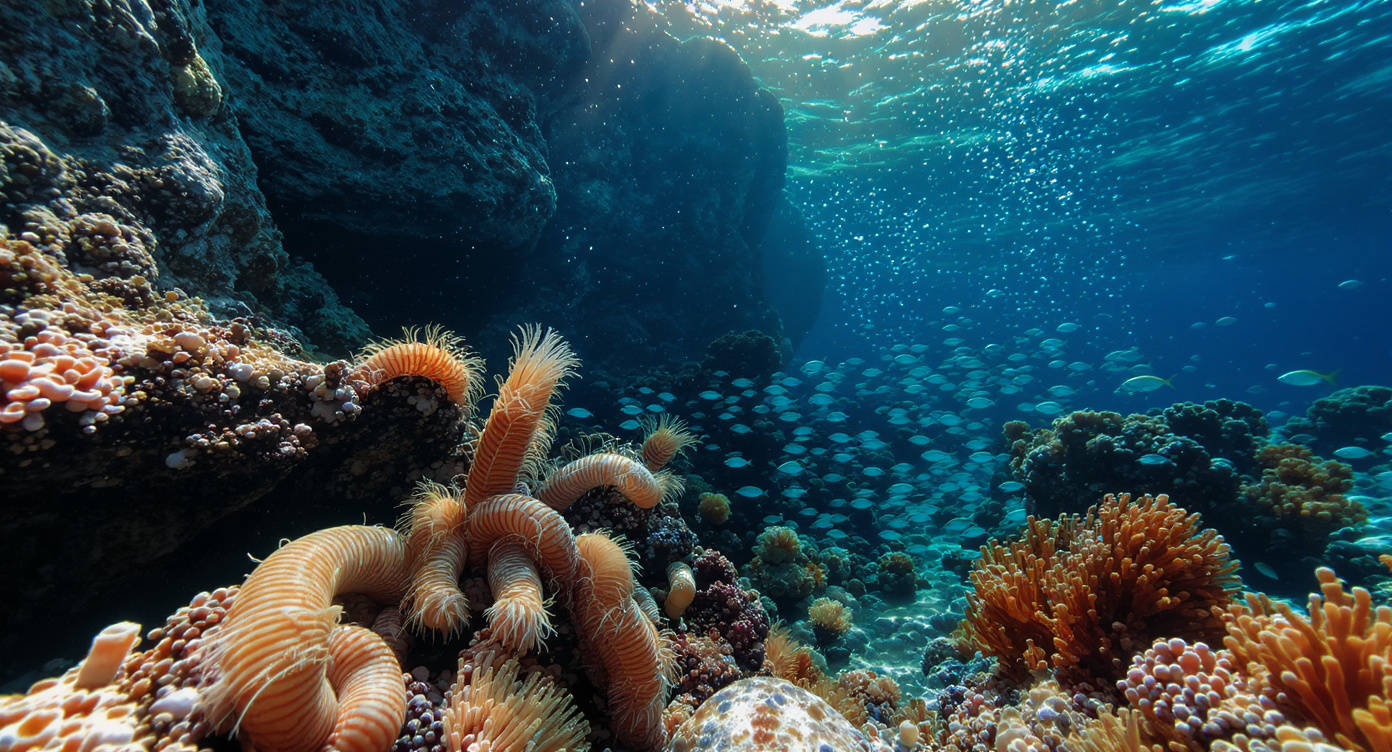
Animal species around the world are disappearing at an accelerating rate due to climate change, habitat destruction, and the spread of invasive species. Particularly vulnerable are lesser-known groups, such as marine worms, some of which may vanish before they are even scientifically described.
To address gaps in knowledge, research organizations including the University of Göttingen, the Leibniz Institute for the Analysis of Biodiversity Change (LIB), and the Senckenberg Society for Nature Research have launched a large-scale project to document European marine annelids—segmented marine worms. The project aims to create an open and accessible dataset that will speed up the discovery of new species and deepen our understanding of global biodiversity. The project is led by LIB and funded by the Leibniz Association.
Marine annelids inhabit nearly all marine ecosystems, where they play a crucial role in sediment mixing, nutrient recycling, pollution monitoring, and supporting marine food webs. The project plans to collect samples from various regions across Europe, where many species were first described. After collection, specimens will be identified morphologically, photographed in high resolution, and analyzed using advanced genomic technologies. The goal is to create a detailed genomic catalog of European marine annelids, clarify evolutionary relationships between groups, and study changes in their physical traits, reproduction, and lifestyles over time.
The collected worms, along with their images and genetic data, will be included in the LIB collections at the Hamburg Natural History Museum and the Senckenberg Natural History Museum. Scientists worldwide, including those from Global South countries, will be able to access these resources through institutional portals and platforms such as GBIF, or upon request for further research.
The project also aims to strengthen the role of natural history museums as modern research centers equipped with advanced tools. The initiative brings together experts from various institutes, providing a solid foundation for large-scale biodiversity research and enabling precise identification of future scientific priorities.