

Marsupials once thought extinct have been discovered in New Guinea.
Two species of marsupials, previously believed to have gone extinct around 6,000 years ago, have been discovered in remote regions of New Guinea. Their existence was confirmed through information provided by local residents and scientific research.
Cursus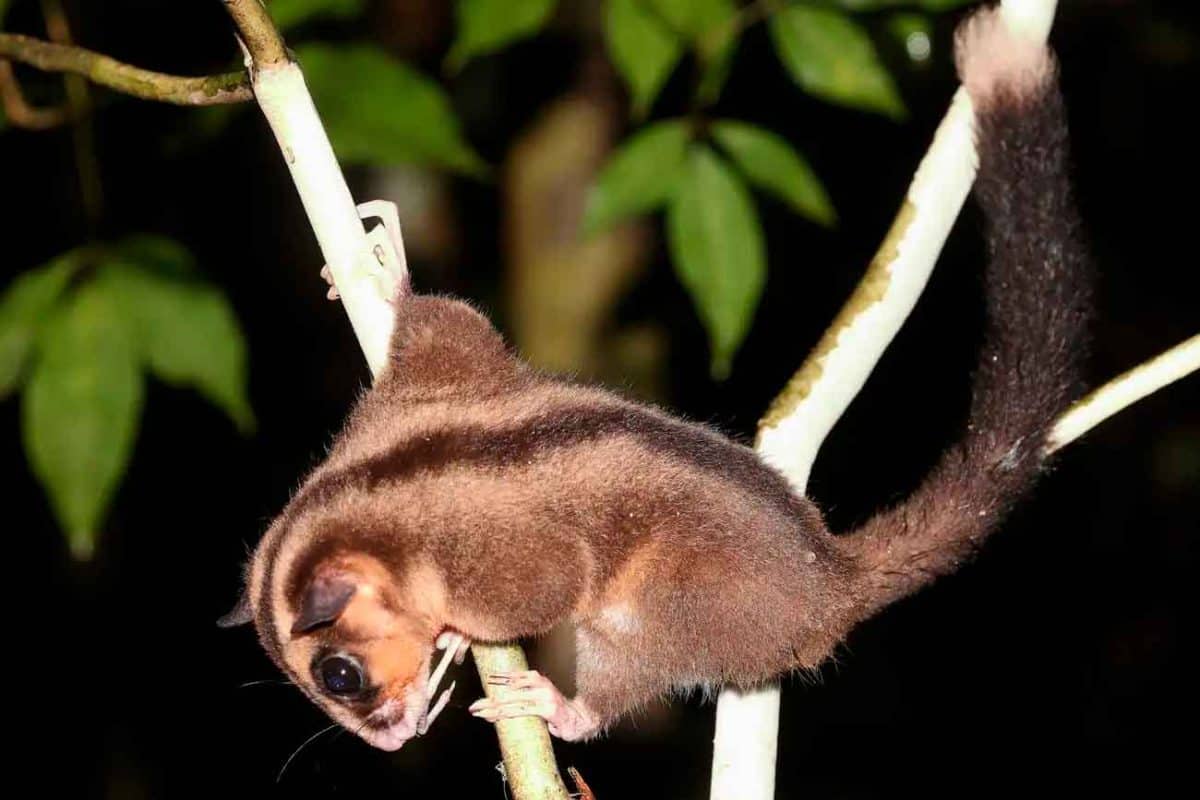
The indigenous people of New Guinea played a key role in the discovery of marsupials that were previously believed to be extinct. Initially, the chances of finding such animals were considered extremely low.
Geography and Features of the Region
The island of New Guinea lies to the north of Australia and is divided between two countries: Papua New Guinea in the east and Indonesia in the west. The western part of the island, known as Papua, is characterized by dense forests and mountain ranges, home to many rare animal species. Many areas remain difficult to access, which sometimes allows scientists to discover species whose existence was previously unknown. In science, such cases are called the "Lazarus effect"—when a species thought to be extinct is found alive again.
The Lazarus Effect Among Mammals
The Lazarus effect is most often observed among marine organisms, but finding a living mammal among such "returnees" is extremely rare. Nevertheless, during expeditions to remote regions of the island, two groups of marsupials were found that had been considered extinct for about six thousand years.
Discovered Species
The first species is the pygmy long-fingered possum (Dactylonax kambuayai), notable for its unusual paw structure: its fourth finger is almost twice as long as the others, allowing it to extract insect larvae from wood. Previously, this species was known only from fossil remains found in Australia and dated up to 300,000 years old. It was believed to have gone extinct in Australia during one of the ice ages, with the last traces in New Guinea dating back about six thousand years.
The second species is the ring-tailed glider (Tous ayamaruensis), a relative of the Australian greater glider. It is distinguished by its small ears and strong prehensile tail, which it uses to grasp branches. This species was first described from fossil fragments found in Western Papua at the end of the 20th century and was also considered extinct around the same time as Dactylonax kambuayai.
Significance of the Discovery
Researchers confirmed the existence of these animals using various methods, including information from local residents who pointed out their habitats and provided the first photographs, as well as analysis of fossil remains. For the local people, these animals were not unknown: some clans of the Bird’s Head Peninsula consider Tous ayamaruensis sacred and believe that ancestral spirits reside in it, so they do not harm or disturb it. This taboo may have contributed to the species’ survival.
Habitat
Both species inhabit mountain forests at low elevations on the large Chendrawasih Peninsula (Bird’s Head) in the northwest of the Indonesian part of New Guinea. This region is sparsely populated and poorly studied.
Scientific Importance
During the expedition, scientists not only discovered a species thought to be extinct but also identified a new genus of marsupials for science. This is the first description of a new marsupial genus in New Guinea since 1937.
The scientific article with the research results was published in Australian Museum Journals.