The world's largest electric ferry has completed its first tests.
Hull 096, the world's largest vessel powered exclusively by batteries, has begun trials in Hobart. This project could set new standards for the future of commercial shipping.
Vectus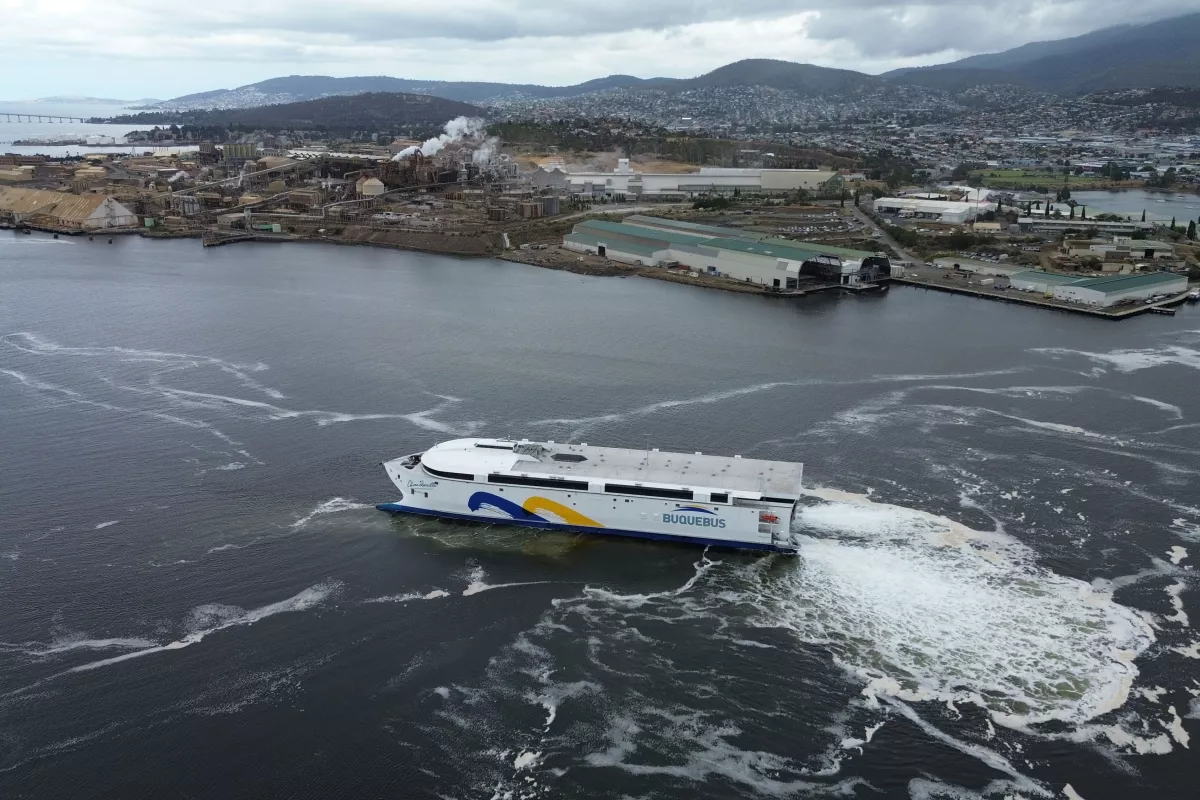
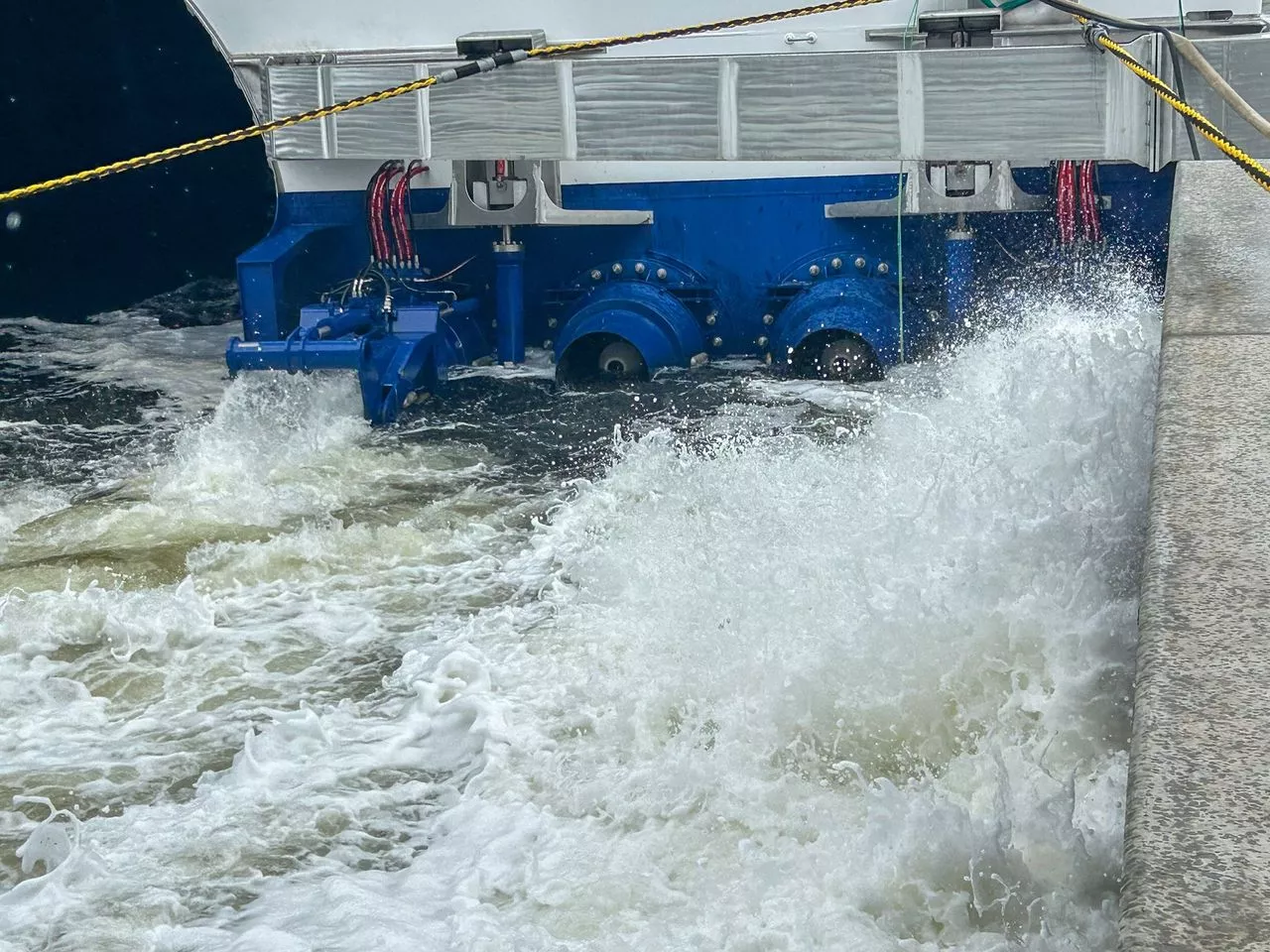
Earlier this month, a 130-meter vessel set sail almost silently on the Derwent River in Hobart for the first time. Gone were the usual roar of engines and clouds of exhaust—only the gentle murmur of waterjets accompanied Hull 096 as it left the shore, powered solely by its own electric propulsion. Developed and built by Incat Tasmania, this ship has begun port trials, becoming the world’s first vessel of its size to operate exclusively on battery-electric power.
A Breakthrough in Shipbuilding
This stage is more than just a systems check—it marks a significant milestone for the industry. After years of refinements, ambitious plans, and complex construction, the world’s largest battery-electric ship has become a reality. Now, it’s being tested where it matters most: on the water.
When Incat first unveiled the Hull 096 project, the plan was for the 130-meter ferry to run on liquefied natural gas for the South American operator Buquebus. However, as the project evolved, circumstances changed: fuel prices became unstable, batteries became more affordable, and charging capabilities improved dramatically. In 2023, Incat and Buquebus decided to make the vessel fully electric.
Setting New Industry Standards
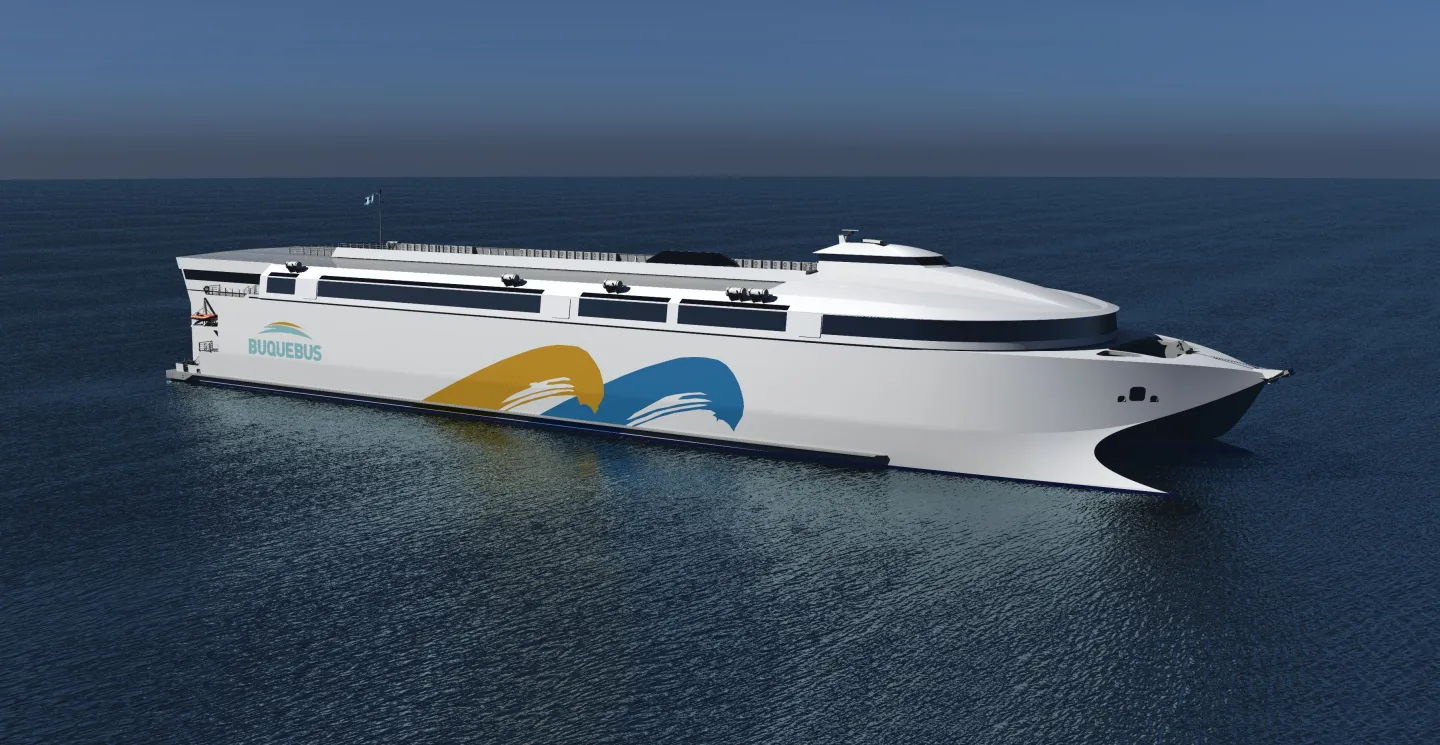
There were virtually no examples to follow. Hull 096 is the largest vessel ever built by Incat and the first ship of its size in the world to run solely on battery power. Incat Chairman Robert Clifford called this move not a gradual evolution, but a deliberate leap toward the future of commercial shipping.
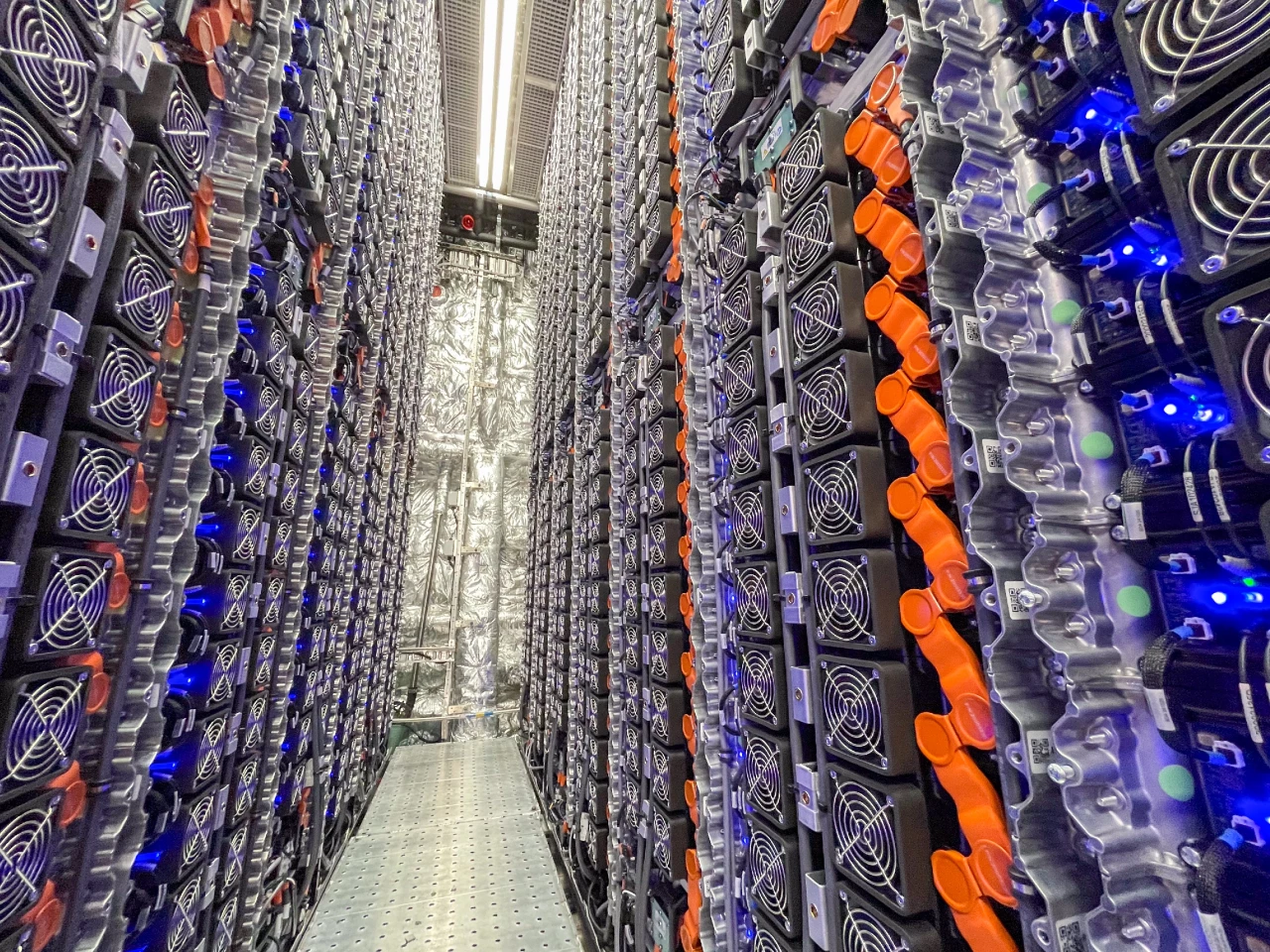
The gamble paid off: Hull 096 was launched in May 2025 with a fully completed hull, while interior work continued. At its core is a unique energy storage system: more than 250 tons of batteries provide over 40 MWh of capacity—about four times more than any previous maritime project.
Technical Features
Power is delivered to eight electric waterjets that propel the vessel, which is designed to carry up to 2,100 passengers and more than 220 vehicles. This makes Hull 096 one of the largest electric transport vehicles in history.
In December 2025, the project moved from construction to testing: Hull 096 was powered up for the first time. During a public demonstration in Hobart, the ship’s powerful battery system activated the waterjets—proving the concept’s viability and offering a first glimpse at the vessel’s future in action.
Clifford described this as a turning point, noting that years of integrating design solutions had paid off. However, at this stage, the tests focused mainly on checking systems and were conducted mostly while stationary.
Trials and Prospects
Preparatory work led to the start of port trials earlier this month. On the Derwent River, crews are testing maneuverability, handling, control systems, and the interaction of various onboard systems in real-world conditions.
For the first time, a vessel of this size and capacity is moving exclusively on battery power. After port trials are completed, sea trials will follow before the ferry is delivered to its customer in South America.
This is a quiet but crucial phase. Large-scale electric shipping is no longer just a theoretical idea. If the trials are successful, Hull 096 could redefine what ferries of the future will look—and sound—like.