

Coastal ice along Alaska is rapidly disappearing
Over the past decade, the season of coastal ice along Alaska’s northern shore has significantly shortened, especially in the Chukchi and Beaufort Seas. This change is affecting the traditional way of life of local communities and their infrastructure, while also increasing the impact of waves on the coastline.
Natura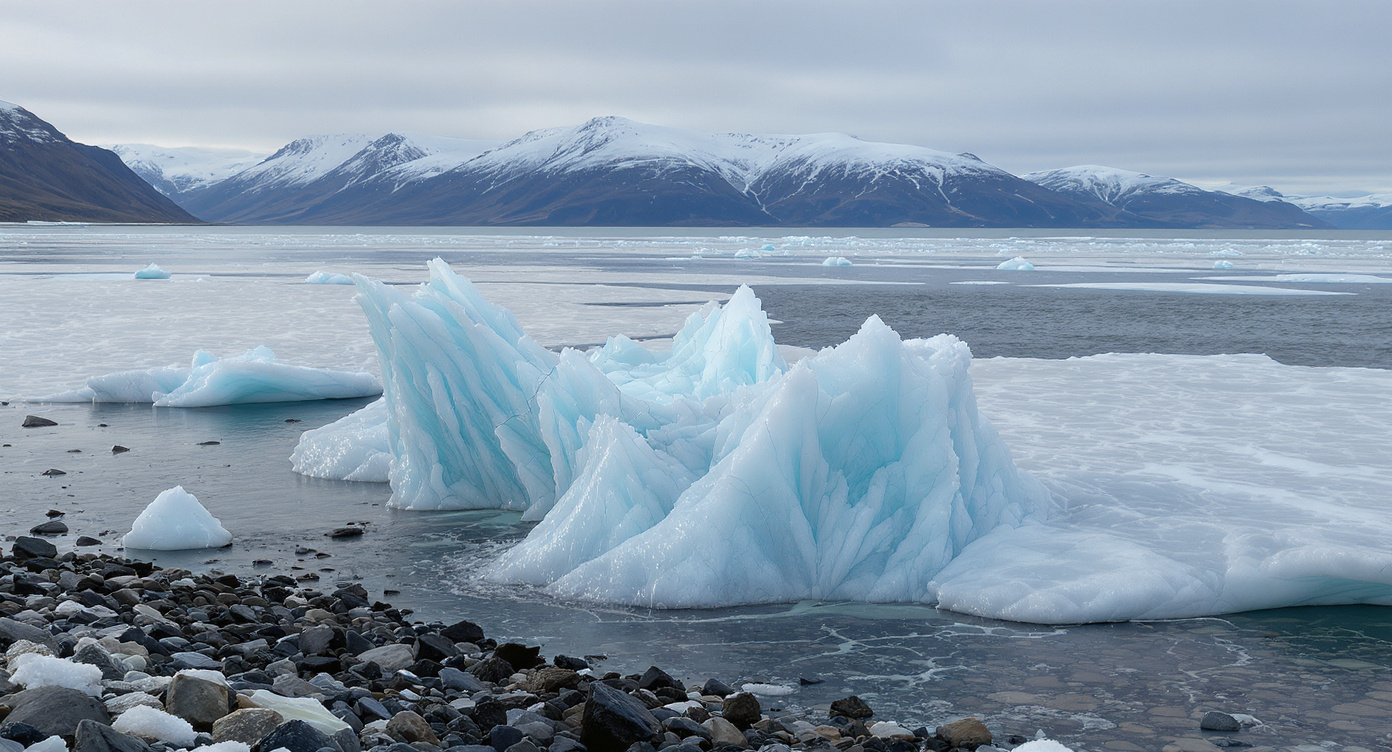
In recent decades, sea ice along Alaska’s northern coast has remained attached to the shore for increasingly shorter periods. A 27-year analysis by specialists at the University of Alaska Fairbanks revealed that so-called landfast ice—which forms along the coast and does not drift under the influence of winds and currents—has also been shrinking in area during the winter months. The study covers the period from 1996 to 2023 and focuses on the Chukchi and Beaufort Seas.
Trends in Landfast Ice Changes
The reduction in landfast ice area in the Chukchi Sea has been observed for several decades. New data indicate that similar changes are now occurring in the Beaufort Sea, which had previously maintained relative stability from the 1970s through the early 2000s. The analysis showed that the landfast ice season in the Chukchi Sea has shortened by 57 days, and in the Beaufort Sea by 39 days over the study period. In the Chukchi Sea, this is due to both later ice formation in autumn and earlier breakup in spring. In the Beaufort Sea, the main reduction in season length is linked to delayed ice formation.
Causes of the Shortened Season
The primary factor behind the shorter landfast ice season is the later onset of ice formation in autumn. Even when air temperatures drop below freezing, the ocean retains heat for longer, which delays the development of stable ice along the coast.
Impact on Coastal Communities and Infrastructure
Landfast ice plays a crucial role for local communities, providing access to hunting and fishing grounds and supporting seasonal ice roads used by the oil and gas industry to reach coastal infrastructure. Additionally, this ice acts as a natural barrier, reducing the impact of waves on the shoreline and helping to distribute river water into the sea. A shorter landfast ice season can increase wave action on the coast and create less predictable conditions for traditional livelihoods.
Characteristics of Landfast Ice Formation
Landfast ice can form directly along the shore, anchor in shallow waters, or connect with grounded ice ridges. These ridges develop when pieces of sea ice accumulate near the coast and become thick enough to rest on the seafloor. In recent years, landfast ice in the Beaufort Sea no longer extends as far from the shore or reaches previous depths, a change linked to the overall thinning of Arctic sea ice. Thinner ice leads to fewer grounded ridges capable of anchoring to the seabed.
Share of Landfast Ice on the Continental Shelf
The proportion of landfast ice in the Beaufort Sea relative to the total landfast ice on the outer continental shelf of the United States has decreased from 3.8% in the first nine years of observations to 2% in the most recent nine years (2014–2023).
The Need for Further Research
To fully understand the causes of these observed changes, further study is needed on the processes of landfast ice formation and accumulation, as well as the factors influencing the development of grounded ridges.
The study used data from the National Ice Center and the Alaska National Weather Service’s Sea Ice Program.