

Small fish filmed climbing a waterfall for the first time
For many years, residents of Central Africa have told stories about fish capable of climbing waterfalls. Now, these accounts have received scientific confirmation: Parakneria thysi have been captured on video as they scaled a 15-meter waterfall. The study reveals the unique mechanisms behind their vertical movement and highlights the distinctive features of their migration.
Cursus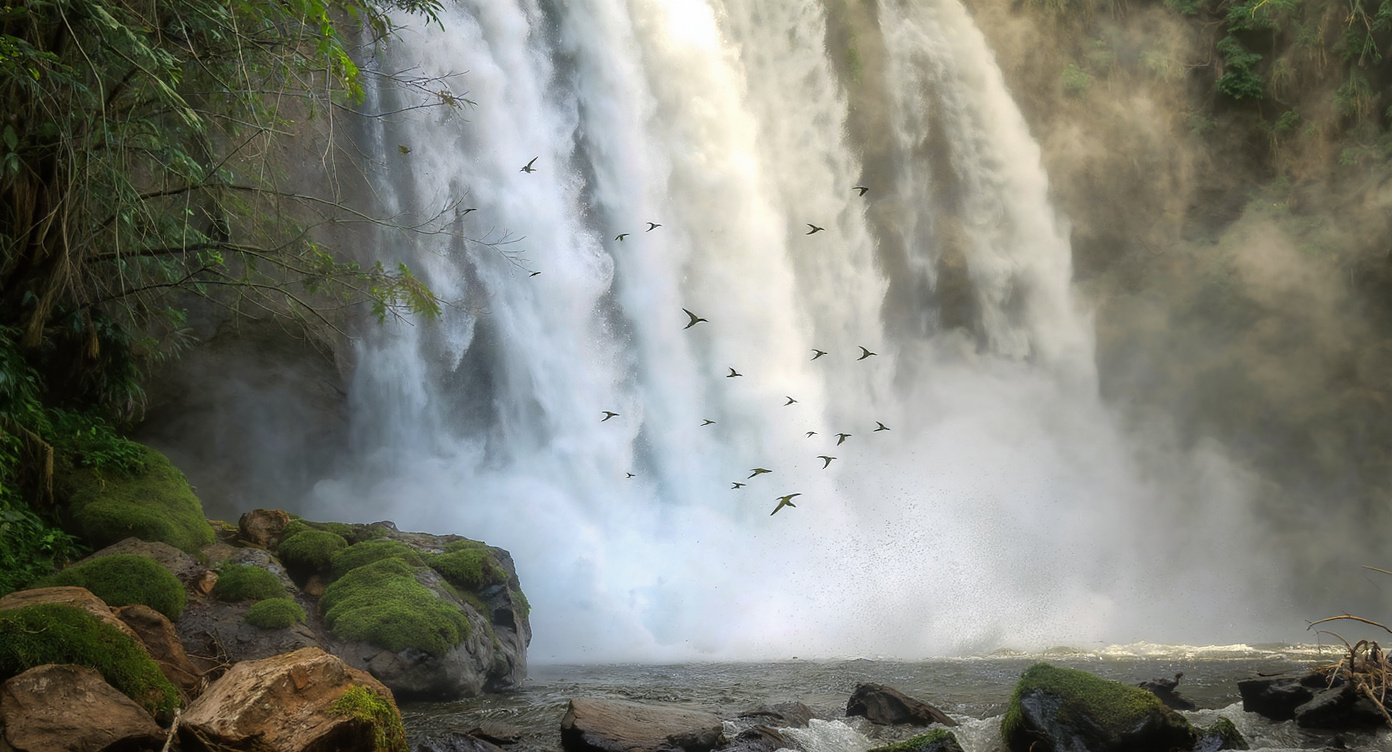
Oral accounts from residents of Central Africa about fish capable of climbing waterfalls have, for the first time, received scientific confirmation and have been captured on video. Researchers documented thousands of small Parakneria thysi fish overcoming the 15-meter Luvilombo waterfall on the river of the same name.
Species Description and Structural Features
Parakneria thysi are small fish inhabiting rivers and streams in the upper Congo River basin. Their length ranges from 37 to 48 millimeters, with the largest individuals reaching about 96 millimeters. These fish have elongated bodies and primarily lead a bottom-dwelling lifestyle.
Adult male Parakneria thysi possess a unique organ on their gill covers, resembling a miniature shell or a human ear. This organ is equipped with suction pads and helps the male stay close to the female during spawning, which is especially important in fast-flowing waters.
Confirmation of Vertical Climbing Ability
For decades, local residents have spoken of these fishes’ ability to climb waterfalls, but until recently, such observations had not been scientifically verified. During three years of observation, an international team of researchers was the first to record the mass vertical ascent of Parakneria thysi along the wet rocky surfaces of the waterfall.
Mechanism of Movement
The climbing ability is made possible by tiny hook-like protrusions on special pads located on the underside of the pectoral and anal fins. The fish use these protrusions to grip the rocks and move vertically with side-to-side movements of their hind body, similar to swimming motions. Parakneria thysi also have well-developed muscles in both pairs of fins, allowing them to support their own weight.
Limitations and Migration Features
Only individuals less than 48 millimeters long are capable of vertical climbing; larger fish are likely too heavy for this type of movement and lose this ability as they age. The ascent requires significant energy: the journey to the top of the waterfall can take up to 10 hours and includes numerous rest stops. On average, the actual climb takes about 15 minutes, with the rest of the time spent on horizontal ledges recovering strength.
Not all fish successfully overcome the waterfall—some are knocked down by water currents and fall, especially when they have to move along overhanging rocks.
Seasonality and Possible Reasons for Migration
The migration of Parakneria thysi up the waterfall does not occur constantly, but only during floods, which usually happen in the Congo basin at the end of the rainy season—in April and May. The exact reasons for this migration are still unknown. It is assumed that during heavy rains, the fish may be washed away from their usual habitats and try to return, or they seek areas above the waterfall where there is less competition for food and fewer predators.