

A fluoride-based electrolyte has doubled the capacity of batteries.
Scientists from China have developed a new hydrofluorocarbon-based electrolyte that significantly increases the efficiency of batteries at low temperatures and delivers record-breaking energy density. This technology opens up new possibilities for use in electric vehicles, the aerospace industry, and energy storage systems operating in extreme climate conditions.
Cursus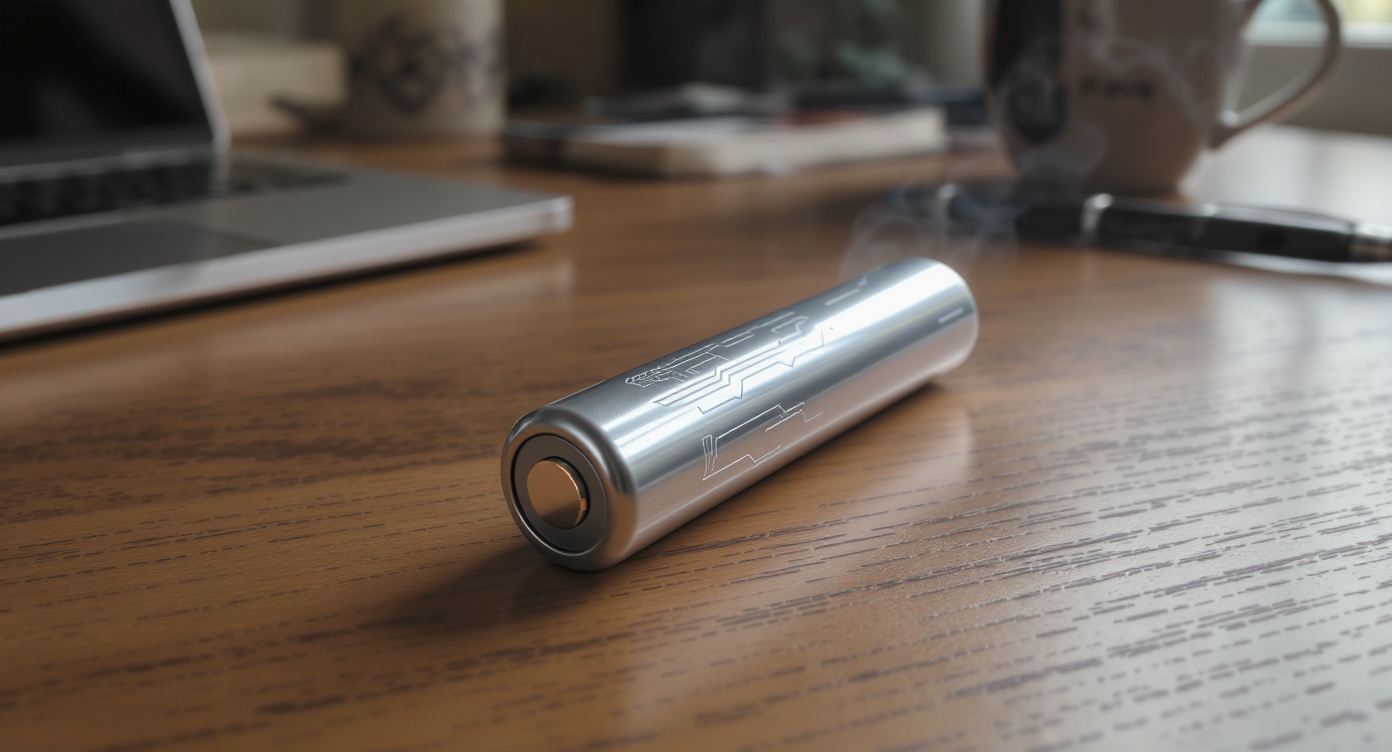
Researchers have developed a new fluorine-based electrolyte that replaces traditional oxygen- and nitrogen-containing solvents and significantly improves battery performance at low temperatures.
Innovative Electrolyte Design
A team of scientists from China has created a hydrofluorocarbon electrolyte capable of overcoming the existing productivity limitations of batteries. According to published data, this solvent delivers an energy density exceeding 700 Wh/kg at room temperature and around 400 Wh/kg at –50 °C. For comparison, standard batteries for electric vehicles typically reach a maximum density of about 270 Wh/kg under normal conditions. This new technology opens up promising opportunities for use in aerospace, energy storage systems, and electric transport operating in extreme climates.
Advantages of Hydrofluorocarbon Solvents
Traditional battery electrolytes use oxygen- and nitrogen-containing ligands to transfer charges between the cathode and anode. However, these materials form strong bonds that hinder charge transfer at the electrode–electrolyte interface, limiting performance at low temperatures and during fast charging. To address this issue, six monofluorinated hydrofluorocarbon solvents were synthesized. Thanks to specially designed fluorine-containing ligands with optimized steric properties and Lewis basicity, the solubility of lithium salt was increased to over 2 mol/L.
Characteristics and Test Results
The best results were achieved with 1,3-difluoropropane, a solvent with low viscosity (0.95 centipoise) and high oxidation stability (above 4.9 V). Incorporating fluorine atoms into the primary solvation shell ensures weak coordination, which promotes efficient lithium deposition and dissolution. This mechanism provides a coulombic efficiency of 99.7% and an exchange current density significantly higher than that of traditional oxygen-containing systems at –50 °C.
Tests were conducted on lithium pouch cells with less than 0.5 grams of electrolyte per ampere-hour. The coordination chemistry with fluorine goes beyond conventional electrochemical design. In the future, adjusting the carbon-to-fluorine ratio could lead to even more stable variants with high boiling points (above 100 °C), opening up possibilities for further increasing the power and energy capacity of next-generation batteries.