

Reduced investment in R&D paves the way for startups
The reduction of R&D investments by major oilfield service companies is creating new opportunities for specialized technology firms such as GOWell and TGT Diagnostics. These companies are actively developing and licensing innovative solutions, filling the gaps that have emerged in the market.
Cursus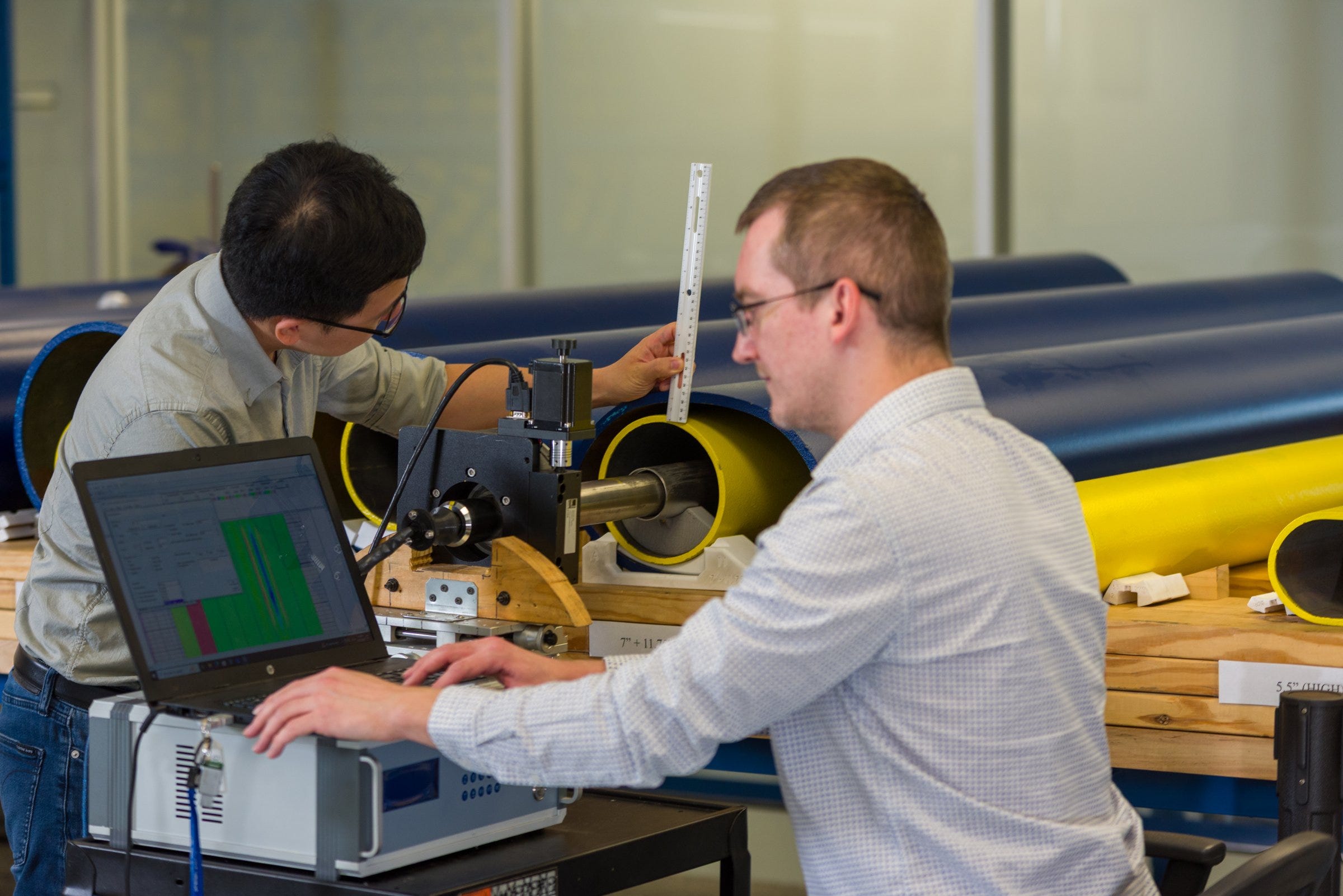
## Declining R&D Investments and New Opportunities for Technology Companies

### Trends in R&D Spending

Major oilfield service companies such as Halliburton, Baker Hughes, SLB, and TechnipFMC allocate significant annual budgets to applied research and development (R&D). However, according to reports published by the U.S. Securities and Exchange Commission, the share of R&D expenses as a percentage of revenue for these companies has either remained flat or shown a downward trend. Following the Covid-19 pandemic, both interest in and funding for fundamental research and R&D in the oil and gas sector have decreased.

### New Opportunities for Specialized Technology Firms

The reduction in internal R&D spending by large players is opening up additional business opportunities for specialized equipment manufacturers like GOWell, TGT Diagnostics, and Agar Corporation. These companies can license their technologies and expand their market presence.

At GOWell’s research center in Houston, around 40 engineers are focused on developing and improving tools for well integrity assessment. The company’s new technology enables diagnostics of well conditions through casing, cement, and the first layers of rock using electromagnetic sounding. Such solutions are expected to significantly reduce the costs of well abandonment and decommissioning, which is especially relevant for non-revenue-generating operations.

### R&D Spending Dynamics Among Leading Companies

Analysis of financial reports shows that R&D intensity among the largest oilfield service companies is declining. For example, SLB’s R&D share of revenue dropped from 2.5% in 2020 to 2.06% in 2024, with a forecast of 2% in 2025. Baker Hughes saw this figure fall from 2.9% to 2.3% and then to 2.16%, while Weatherford’s share decreased from just over 3% to less than 2% over the same period. This trend is due to revenue growth outpacing R&D spending. Overall, interest in funding fundamental research and development in the sector has declined compared to pre-pandemic years.

### The Role of Small Technology Companies

The innovation gap is increasingly being filled by specialized technology companies that invest a larger share of their revenue in R&D, obtain patents, and license technologies to major oilfield service firms. In recent years, there has been a trend toward an increase in the number of patents and licenses acquired by large companies from smaller developers, indicating a partial outsourcing of R&D.

For example, GOWell has invested a double-digit share of its revenue in R&D for many years, retaining intellectual property rights and offering licenses to operators and major companies. This approach allows clients to use new technologies without the need for in-house development.

### Competition and New Developments

In the diagnostics equipment segment, GOWell competes with companies like TGT Diagnostics, which has introduced the integrated Octasense platform for well and reservoir diagnostics. Agar Corporation develops and sells specialized meters and interface detectors designed to improve oil production and processing efficiency, as well as for wastewater treatment and other technological processes.

GOWell continues to enhance its tools and diagnostic systems, which, according to the company, help reduce the cost of well decommissioning and abandonment. New technologies are being developed and tested at the Houston research center in parallel with preparations for an initial public offering (IPO).

### Going Public and Future Prospects

In October, GOWell announced plans to go public in partnership with Inflection Point Acquisition Corporation. The combined public company will be named GOWell Energy Technology and will be listed on the Nasdaq under the ticker GOW. The target IPO date is set for July 3, subject to standard closing procedures, including regulatory and shareholder approvals.

The company expects to gain additional momentum from increased industry spending on new exploration projects and sees significant potential in technologies for well decommissioning and abandonment, especially for solutions that can help reduce costs.