

Antarctic waters may help in the search for life on moons
Water samples collected from a depth of 1,120 meters beneath the Antarctic ice will help scientists model the processes occurring on the icy moons of planets. This research is crucial for the search for life beyond Earth.
Cursus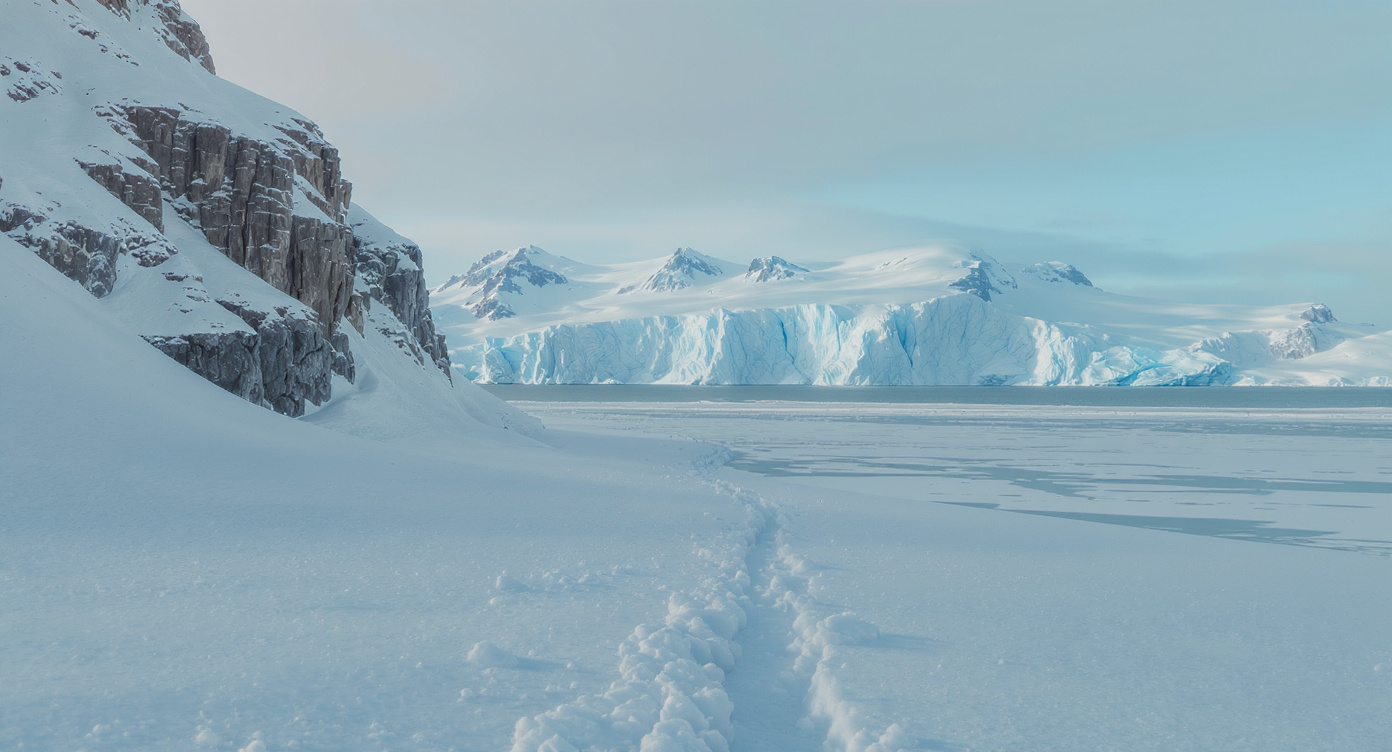
Two NASA researchers have collected water samples from a depth of 1,120 meters beneath Antarctic waters. These samples will be used in modeling experiments to study how similar water molecules change when they are ejected into space from icy planets. Such research could play a crucial role in the search for life on other frozen worlds.
Icy Worlds and the Conditions for Life
Pluto, Enceladus (a moon of Saturn), and Europa (a moon of Jupiter) are considered icy worlds that may have liquid water beneath their surfaces. Some of these bodies have been found to contain key ingredients necessary for life, such as carbon, nitrogen, and sources of chemical energy. This has led scientists to investigate whether the environments of these worlds could support microbial life.
Methods of Sample Collection
Collecting water samples from such objects typically requires drilling through kilometers of ice. However, on some icy worlds like Enceladus, a phenomenon called cryovolcanism occurs, where water from a subsurface ocean is expelled into space. This allows scientists to gather samples without the need for drilling. Still, it raises the challenge of understanding how water molecules change as they travel from the ocean into the vacuum of space.
Studying Antarctic Waters
The samples were taken from the deep circumpolar current at a depth of 1,120 meters beneath the surface of the Weddell Sea, located east of the Antarctic Peninsula. This site was chosen because the water is isolated from sunlight, creating conditions similar to those that might exist in the oceans of icy worlds beyond Earth.
Simulating Space Conditions
The collected samples will be tested in a simulator that replicates the conditions of outer space. This will help determine how cryovolcanism affects oceanic material and how these changes could impact the search for life beyond Earth.