

Japanese doctors have developed a comfortable alternative to ultrasound gel.
Japanese researchers have developed an innovative ultrasound pad that replaces the traditional gel, offering greater comfort for patients and convenience for doctors without compromising image quality. This new product is made from natural materials and could make ultrasound procedures more accessible and pleasant.
Salus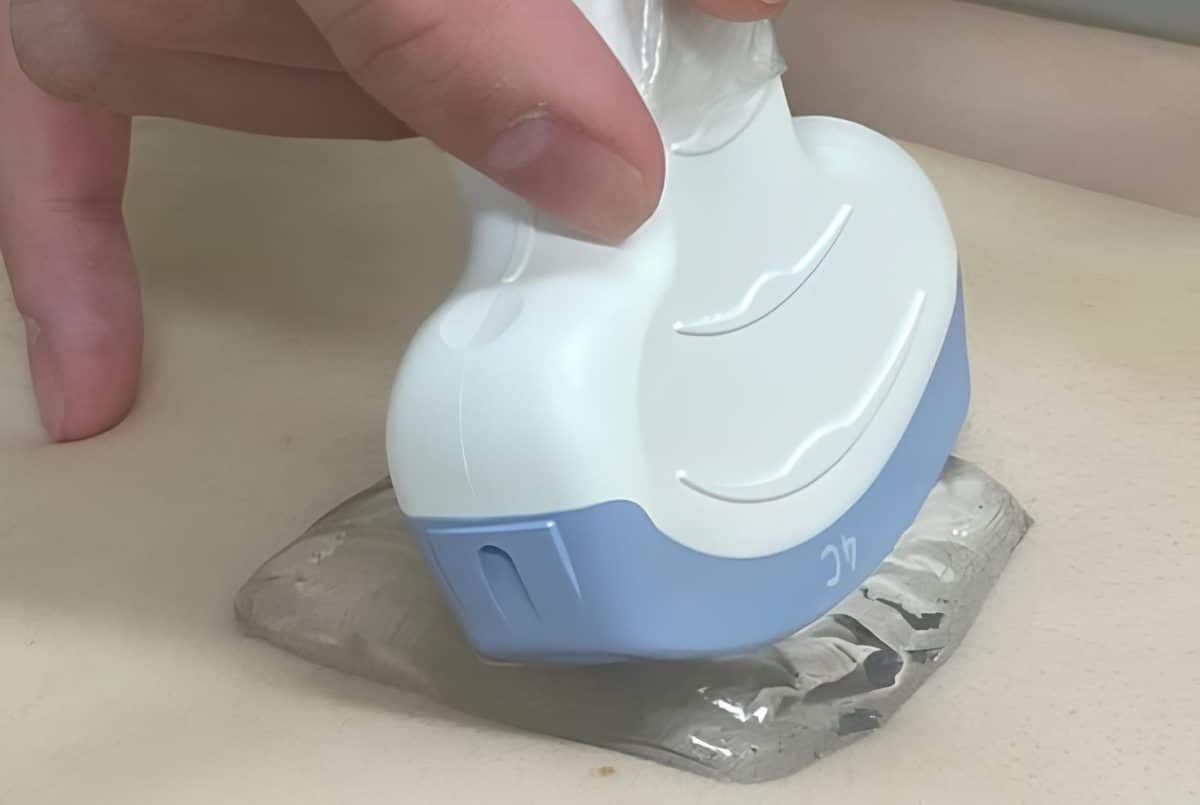
Japanese medical professionals have developed an innovative cushion for ultrasound examinations that serves the same purpose as traditional gel but offers greater convenience for doctors and enhanced comfort for patients. Among the main materials used are seeds from the tropical legume tree tamarind, also known as the "Indian date."
New Technologies in Ultrasound Diagnostics
In recent years, medicine has seen numerous advancements that have significantly improved patient care. Among these are innovations in ultrasound (US) technology, such as portable devices that can be connected to smartphones.
An Alternative to Ultrasound Gel
Experts from Kindai University in Japan have discovered a way to replace the standard gel typically applied to a patient’s skin during an ultrasound. Their development is described in the scientific journal Scientific Reports.
Traditional ultrasound gel eliminates the air gap between the probe and the skin, allowing for clear imaging and accurate diagnosis. However, the gel has its drawbacks: it dries out quickly, which can reduce image quality, and it may become contaminated or cause discomfort for patients.
Features of the New Cushion
The researchers created a firm cushion using a natural polysaccharide (gum) extracted from purified tamarind seeds—a tropical legume whose fruit resembles peanuts. The composition also includes polyhydric alcohol, water, and preservatives to prevent microbial growth.
Despite its firmness, the cushion is elastic and can adapt to the contours of the body during an ultrasound, while maintaining its structural integrity. Additionally, it can be rehydrated and thus restore itself for repeated use.
Advantages and Testing
The researchers initially faced the challenge of constant moisture release from a gel made only of water and tamarind. However, they later found that this property helps prevent drying during ultrasound, reduces the formation of air gaps between the probe and the skin, and maintains stable image quality.
The effectiveness of the cushion was tested on four healthy volunteers who underwent ultrasounds of various tissue types. In all cases, the image quality was comparable to that achieved with conventional liquid gel. Participants also reported greater comfort: the moisture released by the cushion did not stick to body hair and was easy to remove.
Future Prospects
The developers hope their invention will help reduce operational costs associated with heating gel and cleaning the skin after examinations, making ultrasound more accessible for patients. Increased comfort may encourage more people to undergo screenings, which could improve early diagnosis and timely treatment.