

Robotic submarines are becoming quieter: the SPHYDA project is transforming the fleet
Robotic submarines are becoming a key component of modern navies, and their stealth depends directly on reducing noise. The SPHYDA project is exploring new technologies and digital modeling to minimize the acoustic signature of autonomous vehicles, which is crucial for both military operations and the protection of the marine environment.
Ingenium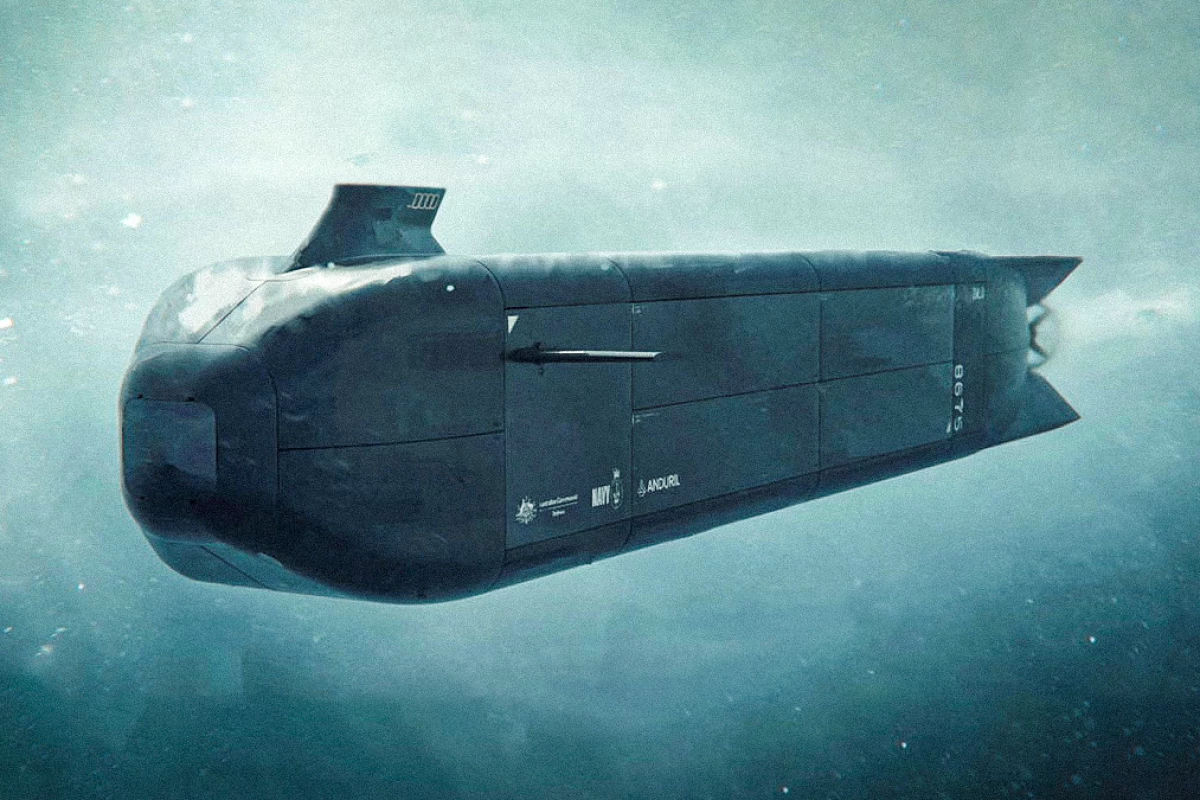
Robotic submarines are becoming an increasingly important component of the fleets of leading world powers. As technology advances, organizations such as the European Defence Agency (EDA) are placing special emphasis on reducing noise and enhancing the stealth capabilities of these vessels.
New Approaches to Fleet Development
Modern fleet development concepts differ significantly from traditional ideas centered around battleships and numerous patrol frigates. For example, the Royal Navy's Atlantic Bastion strategy aims to ensure security in the North Atlantic with the help of eight Type 26 frigates, which will command a much larger fleet of autonomous underwater vehicles (AUVs).
Technological Challenges
Implementing such plans requires complex technical solutions. It is necessary to create robotic submarines capable of operating for months without human intervention and to integrate advanced artificial intelligence systems. At the same time, engineers face a longstanding challenge: how to make a submarine so inconspicuous that it remains a hunter, not prey.
Silence as the Key to Stealth
For submarines, stealth is directly linked to minimizing noise levels. The ideal submarine should be so quiet that it can move undetected or lie in ambush, much like a barracuda.
The SPHYDA Project: Tackling Noise
The EDA SPHYDA project (Submarine Hull/Rudder/Propeller Hydrodynamics Interaction and Hydroacoustics), with a budget of €4.8 million ($5.6 million), is focused on reducing the acoustic noise of robotic submarines. Over four years, specialists will seek ways to decrease noise both to protect the vessels from adversaries and to minimize their impact on marine life.
Part of the project is dedicated to studying the sources of noise generated by water flowing around the hull and rudders, the operation of the propulsion system, internal mechanisms, and even the flow of liquids through pipes. By collecting detailed data on these processes as they relate to autonomous vehicles, it becomes possible to create digital models for more accurate noise prediction and management.
Noise Reduction Technologies
Engineers have been working on the problem of submarine noise reduction for over a century. However, it remains a constant race between improving stealth and advances in hydroacoustics. For instance, old Soviet submarines from the Cold War era are now easily detected due to their high noise levels.
One of the most challenging tasks is combating hydrodynamic noise that arises from the interaction of the hull, rudders, and propellers. The propulsion system contributes the most to noise, creating not only turbulence but also cavitation—tiny vacuum bubbles that collapse with a loud pop. To address this, submarines use propellers with skewed blades, waterjet propulsion systems with shrouded rotors, and low-speed but powerful designs to reduce vibration. There are also more exotic solutions, such as submarines that move by changing buoyancy through pumping oil between tanks.
To reduce noise from internal mechanisms, equipment is mounted on platforms with rubber dampers. Rubber tile coatings on the hull help counter both passive and active hydroacoustics by absorbing internal noise and weakening external signals. Special pipes with curved routes are used to minimize turbulence from flowing liquids.
Optimizing Shape and System Integration
The hull shape is also optimized to reduce drag and turbulence—a practice dating back to World War II. Today, distinguishing submarine generations by appearance is becoming increasingly difficult, but there are always opportunities for improvement. Within the SPHYDA project, researchers are exploring ways to integrate the hull, rudders, and propulsion system into a single streamlined form.
Project Prospects
Currently, the project is focused on modeling, but future plans include pool and sea trials.
"SPHYDA is an important step toward developing the ability to diagnose and predict the complex hydrodynamic mechanisms responsible for the generation and propagation of noise from underwater vehicles in real-world operating conditions," noted Riccardo Brolia, Scientific Director of the Institute of Marine Engineering at the National Research Council of Italy and project leader.