

M5 Max unlocks the potential in the MacBook Pro 16
Tests have shown that the Apple M5 Max chip performs significantly more efficiently and stably in the MacBook Pro 16 than in the 14-inch model, delivering a noticeable boost in both CPU and GPU performance.
Crius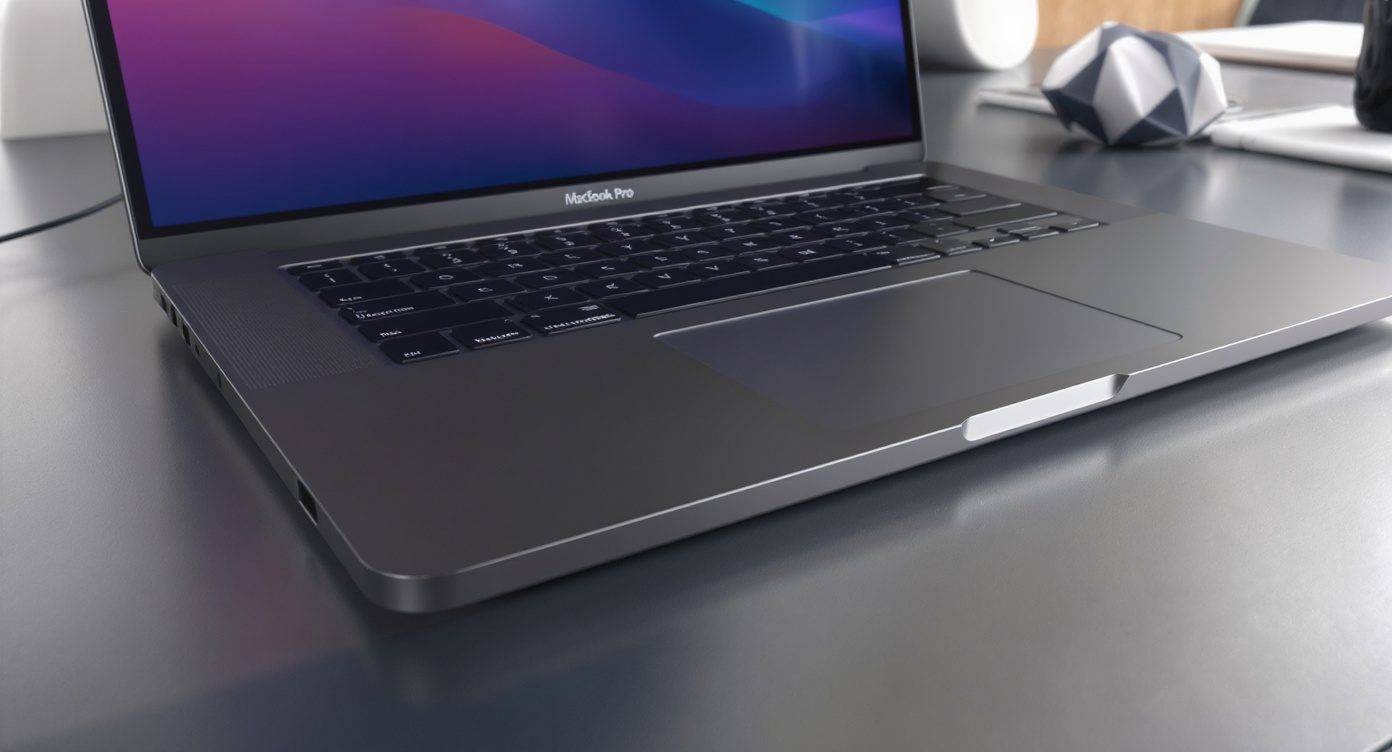
The new Apple M5 Max chip delivers peak performance in the larger MacBook Pro 16, where its capabilities are revealed much more fully than in the MacBook Pro 14. This model is noted for its stable system operation, and the fan noise remains low.
During testing of the MacBook Pro 14 with the M5 Max chip and 40-core graphics, issues were found with unstable CPU and GPU performance, even when using High Power mode. The processor's performance only slightly surpassed that of the previous generation M4 Max. Analysis suggested that thermal limitations could be the cause, leading to the assumption that the M5 Max chip would perform more efficiently in the MacBook Pro 16. To test this hypothesis, a MacBook Pro 16 with the same chip was evaluated.
The initial results showed that both CPU and GPU performance in the MacBook Pro 16 are indeed higher than in the 14-inch model. The performance fluctuations seen in the smaller version were not observed here.
In the Cinebench 2024 multi-core test, the MacBook Pro 16 with M5 Max demonstrated an 18% advantage over the MacBook Pro 14 with the same chip and the previous M4 Max model. This result was achieved even in automatic mode, which features quieter cooling system operation. The High Performance mode did not increase performance in a single run, but further testing is planned to assess its impact under prolonged loads. In one of the tests, CPU core power consumption reached 78/65 W, which is significantly higher than in the MacBook Pro 14.
Graphics performance also improved: in the 3DMark Steel Nomad test, the MacBook Pro 16 with M5 Max outperformed the comparable 14-inch model by 12% and exceeded the MacBook Pro 16 with M4 Max by 21%. Under sustained loads, GPU performance remained stable, unlike in the smaller model (the difference was 7.4% in High Performance mode and 25% in Automatic mode).
Additional tests are planned, but current results already show that the M5 Max chip operates much more efficiently in the MacBook Pro 16, and the performance gap compared to the MacBook Pro 14 is significant.