

Small Nuclear Reactors: The Future of Data Center Power
The rapid growth in the number of data centers is increasing the strain on the U.S. power grid, sparking debates about how to supply their energy needs. Small modular nuclear reactors are being considered as a promising solution to provide sustainable and environmentally friendly power for data processing centers.
Vigor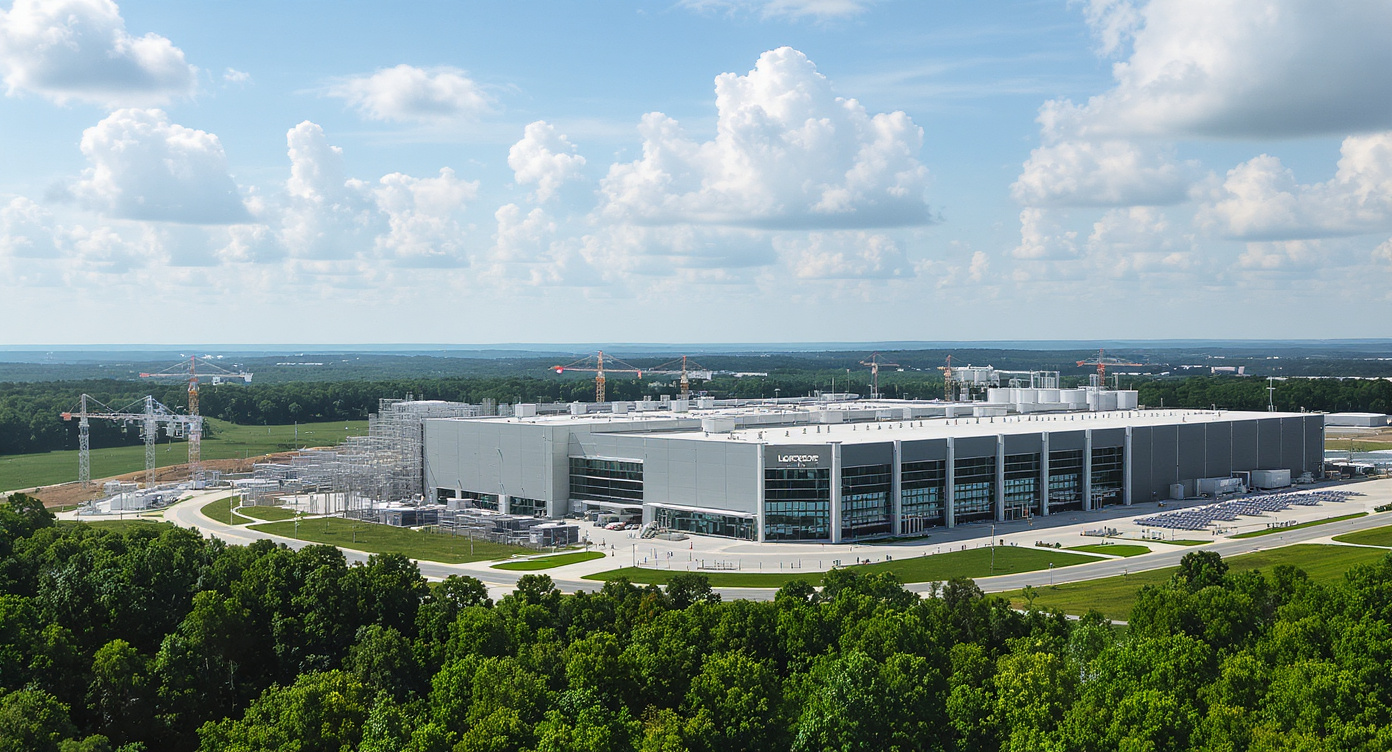
Recent trips through rural areas of Washington have revealed large-scale construction of data centers. Northern Virginia is considered the world’s largest hub for such facilities, accounting for about 13% of global data center capacity.
Currently, there are more than 3,000 data centers operating in the country, with over 1,500 more under construction. Some states have introduced or are debating moratoriums on building new data centers, and the number of lawsuits against such projects is on the rise.
Data centers are essential for the digital economy, supporting cloud services, streaming video, modern communications, and online gaming. Without them, the use of smartphones and other digital devices would be limited. The growth of artificial intelligence is further increasing the demand for these facilities. The construction of new data centers is also boosting demand for American industrial equipment, especially transformers, distribution devices, and power and cooling systems. By 2030, data centers are expected to consume about 40% of the entire electrical equipment market.
The main challenge is the high energy consumption of data centers. According to the International Energy Agency, new hyperscale data centers can use as much electricity as 80,000 to 100,000 homes. The share of data centers in total U.S. energy consumption has grown from 2% in 2018 to about 5% today, and is projected to exceed 10% by 2030. An average data center uses more than 10 megawatts of power—enough to supply around 7,000 homes.
One proposed solution is to use nuclear reactors to power data centers. The modern nuclear industry differs from previous generations and can help reduce carbon emissions while supporting growing cities. Major IT companies are signing agreements with regional nuclear facilities. For example, Microsoft and Constellation Energy have launched a clean energy center that will use power from the restored Three Mile Island nuclear plant to supply Microsoft’s data centers. Google is partnering with Kairos Power to implement a park of small modular reactors (SMRs) for its data centers. Amazon has acquired a data center campus near the Susquehanna nuclear plant in Pennsylvania, and Meta has signed a deal to supply nuclear energy to its data center in Ohio.
There are concerns that directly connecting data centers to regional nuclear plants could lead to higher electricity rates or shortages for local residents. Building new nuclear stations specifically for data centers could address this issue. Fermi America plans to implement the HyperGrid project in Texas to provide 11 gigawatts of dedicated power for North Texas data centers through a combination of nuclear, solar, and gas generation. However, due to high construction costs, the project has been postponed.
Small modular reactors (SMRs) are factory-built reactors that are easier and faster to construct and can be located directly on data center sites. This allows for quicker deployment without waiting for grid connections. SMRs provide round-the-clock, carbon-free power independent of the main grid and do not affect electricity supply or rates for the general population.
SMRs also offer environmental benefits. One of the main challenges for data centers is their high water demand for cooling equipment. SMRs use thermal cogeneration, which allows for significant reuse of heat energy and reduces evaporative water consumption.
In conclusion, despite debates over the appearance and placement of data centers, they are essential for the functioning of the modern digital economy. Restricting their construction could negatively impact technological development. Using small modular reactors to power data centers could become an effective solution for society.