

The disappearance of the "zombie" worm raises concerns among oceanographers
Scientists are concerned about the disappearance of the "zombie" worm Osedax, which plays a crucial role in decomposing whale bones in the ocean. Its absence could signal serious ecological problems and a decline in biodiversity.
Natura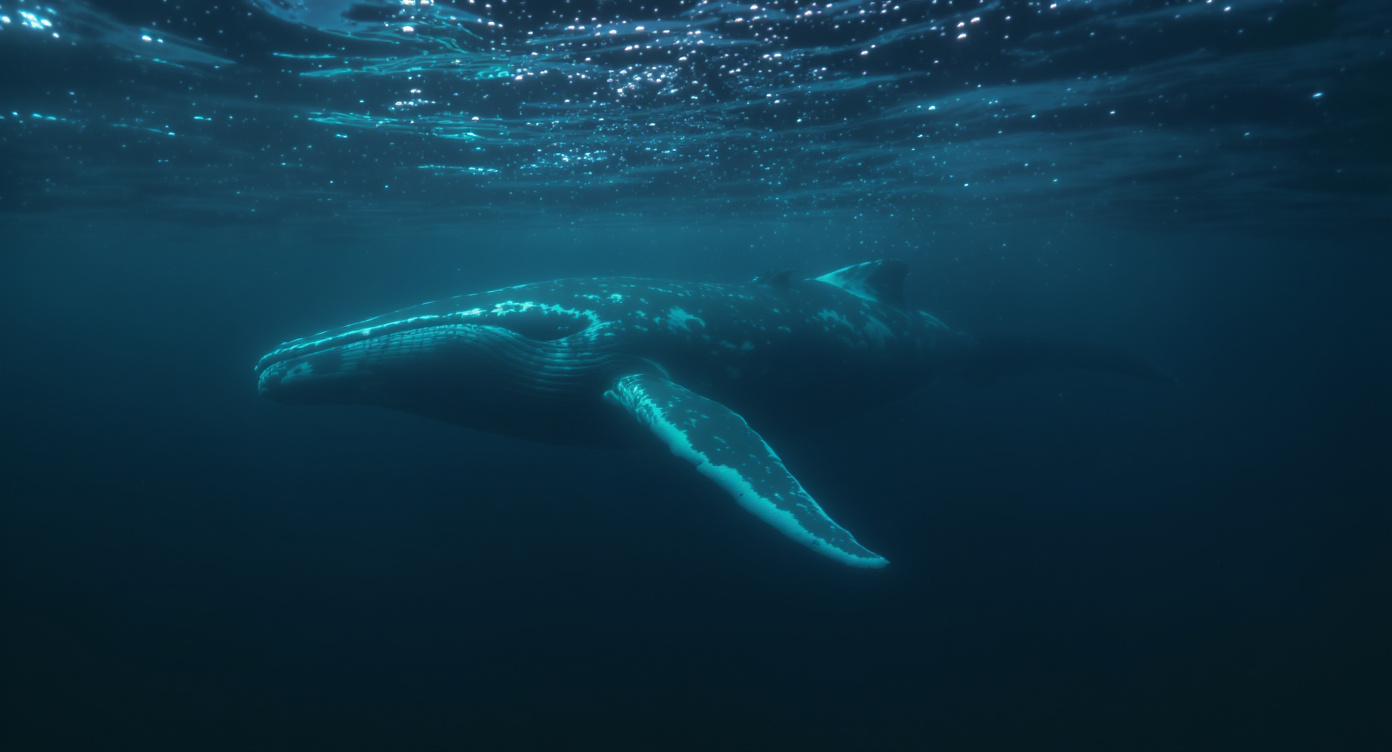
In horror movies, the most terrifying threats often remain unseen. A similar sense of unease is now being felt by scientists as they observe the mysterious disappearance of a crucial species deep in the ocean.
The Mystery of the Disappearing Zombie Worm
The focus is on the zombie worm, officially known as Osedax, or the "bone-eater." Its disappearance could signal more serious ecological issues, such as declining biodiversity and the weakening of marine ecosystems, both linked to long-term climate change.
A Decade-Long Deep-Sea Experiment
Fabio De Leo, a senior scientist at Ocean Networks Canada and associate professor at the University of Victoria, together with colleagues, conducted a long-term experiment off the coast of British Columbia. During the study, humpback whale bones were placed on the seafloor and monitored for signs of life. Despite Osedax’s well-known role in breaking down whale bones and supporting deep-sea food webs, years of observation revealed no trace of these worms.
The Unique Feeding Strategy of Osedax
Osedax are unusual creatures: they lack a mouth, anus, and digestive tract. They survive by extending root-like structures into bones, where symbiotic microbes live. These microbes extract nutrients, which the worms then consume. Thanks to this unique role, Osedax is considered an "ecosystem engineer," helping to recycle organic matter and create habitats for other species.
Why the Absence of Osedax Is Alarming
Over ten years of high-quality underwater video monitoring, not a single colony of zombie worms was recorded. In scientific research, such negative results can be as significant as positive ones. De Leo notes that the absence of Osedax may be linked to unusually low oxygen levels in the study area.
Low-Oxygen Zones and "Whale Falls"
The whale bones were placed in Barkley Canyon, nearly a kilometer deep in the Pacific Ocean, in a zone naturally low in oxygen and along the migration routes of humpback and gray whales. When whales die—whether from natural causes or human activity—their bodies sink to the seafloor, creating so-called "whale falls." These events provide a sudden influx of food and support rich biodiversity. The absence of Osedax in this area suggests that expanding oxygen minimum zones (OMZs) may be disrupting such ecosystems. Similar problems have been observed elsewhere, according to data from the ONC NEPTUNE platform.
The Importance of "Bone-Eaters" for Ecosystems
The disappearance of Osedax could trigger a chain reaction affecting many other species. Without these worms, which initiate the decomposition of bones and ecological succession, fewer organisms can access the nutrients contained in whale remains. De Leo compares "whale falls" to islands—stepping-stone habitats for Osedax and other specialized species.
The Risk of Biodiversity Loss
According to De Leo, this is about the potential loss of species. Adult Osedax typically live on whale bones, while their larvae can travel long distances on ocean currents to colonize new "whale falls." If such habitats disappear or stop functioning, the connection between them will be broken, which over time could lead to a decline in Osedax diversity across entire regions.
Other Deep-Sea "Engineers" Also at Risk
Researchers have also found signs of stress in another important species—Xylophaga bivalve mollusks, which break down wood. Although they were found on submerged wood samples in Barkley Canyon, their colonization rate was much lower than in waters with higher oxygen levels. Slower colonization may hinder carbon decomposition and reduce the formation of habitats for other species that live in Xylophaga burrows.
Professor Emeritus Craig Smith of the University of Hawaii, co-leader of the experiment, notes: "It appears that the expansion of OMZs, driven by ocean warming, will be bad news for these remarkable 'whale fall' and 'wood fall' ecosystems along the northeast Pacific coast."
How the Data Was Collected
De Leo and Smith used the NEPTUNE Barkley Canyon Mid-East ONC video platform, as well as oceanographic sensors and high-definition video obtained with remotely operated vehicles. Additional results are expected in the coming months from another "whale fall" currently being monitored at the Clayoquot Slope NEPTUNE site.
The research is supported by the Canada Foundation for Innovation Major Science Initiative Fund and partially by a grant from the US National Science Foundation. It also aligns with the UN Sustainable Development Goal 14—"Life Below Water."