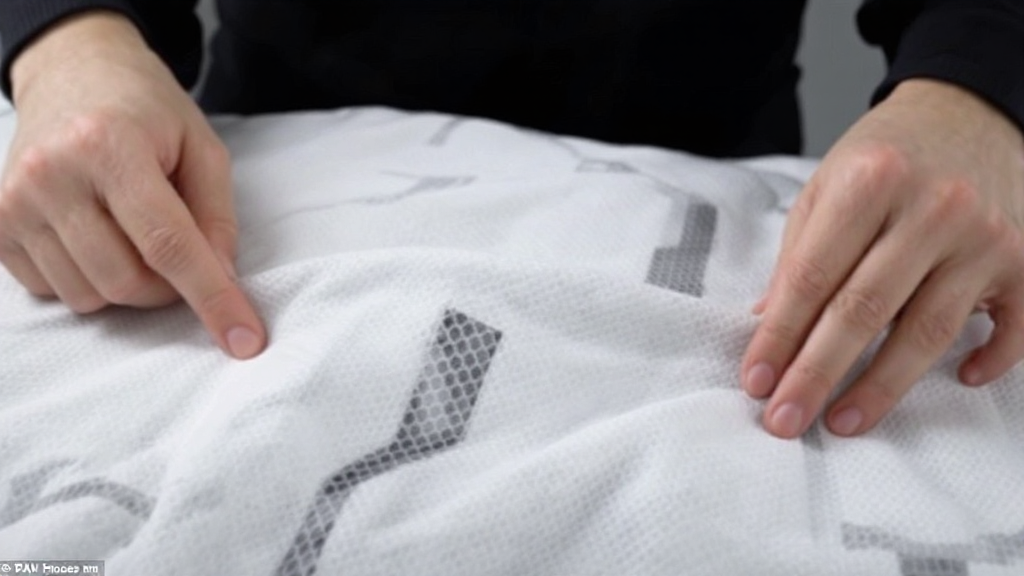
Researchers have developed an innovative nanofabric that reflects sunlight, cools the body, tracks movement, and can generate electricity without complex designs. This material opens up new possibilities for smart clothing with health monitoring and climate adaptation features.
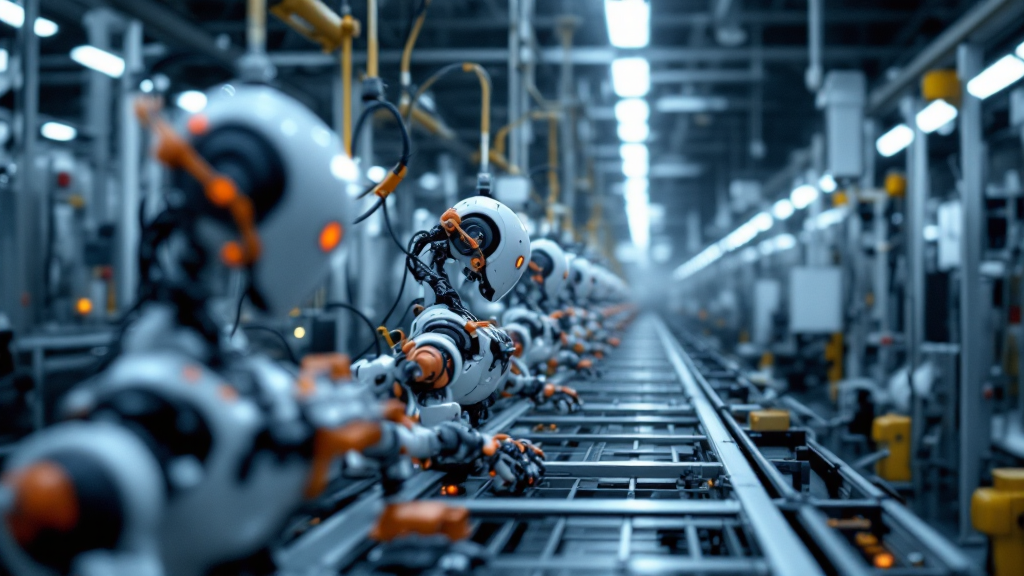
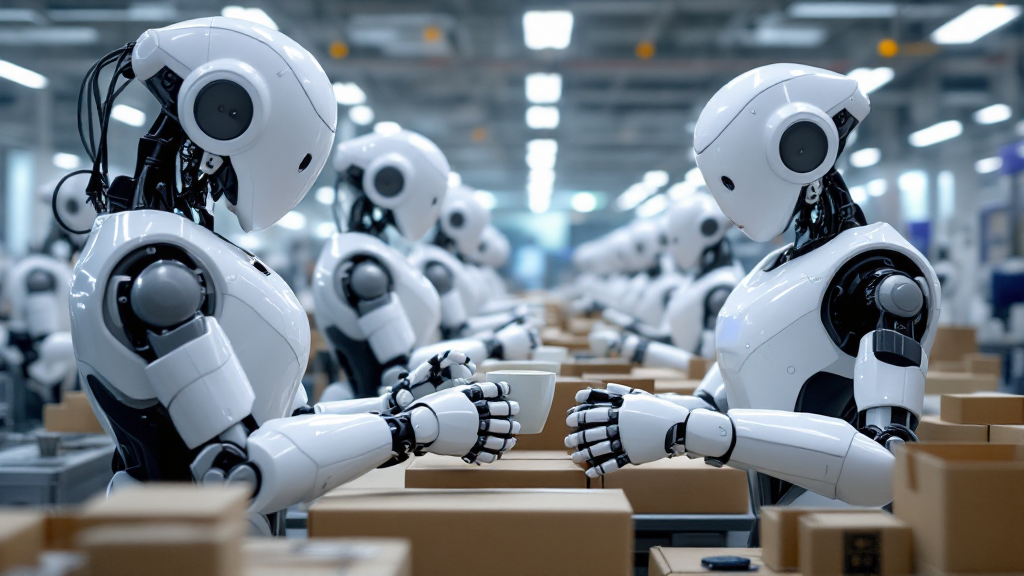
In 2025, a record number of industrial robots—600,000 units—were installed worldwide, which is 11% more than the previous year. The main driver of this growth was China, and the global market continues to expand thanks to technological advancements and a shortage of skilled labor.
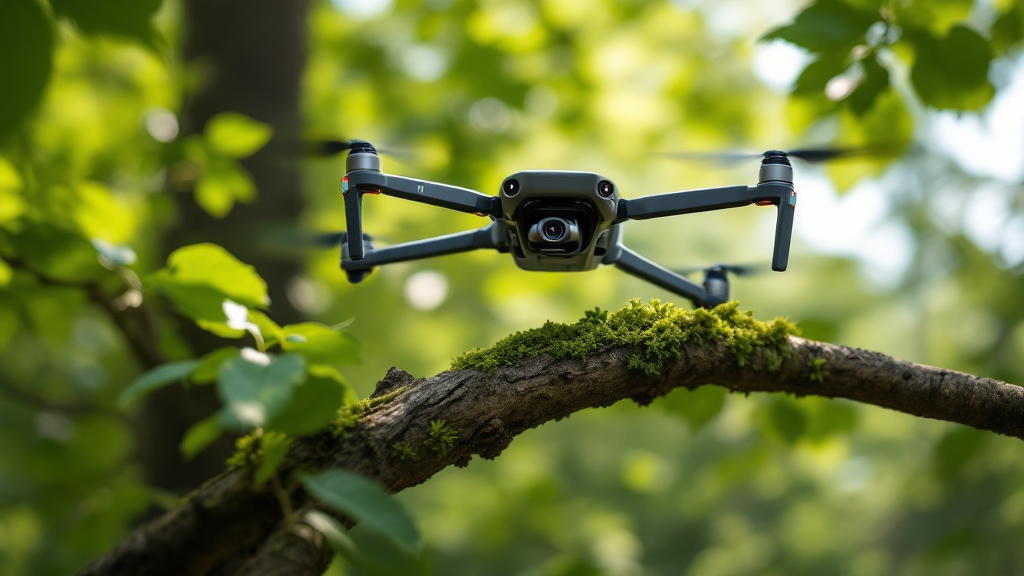
Researchers from Delft University of Technology have developed a drone equipped with tactile sensors that can safely land on tree branches even in low-visibility conditions. This new approach complements visual systems and opens up opportunities for observing nature without unnecessary noise or excessive energy consumption.
Engineers have developed a type of concrete that is not only stronger than traditional versions but can also capture carbon dioxide from the atmosphere. This new material could help reduce the carbon footprint of the construction industry.
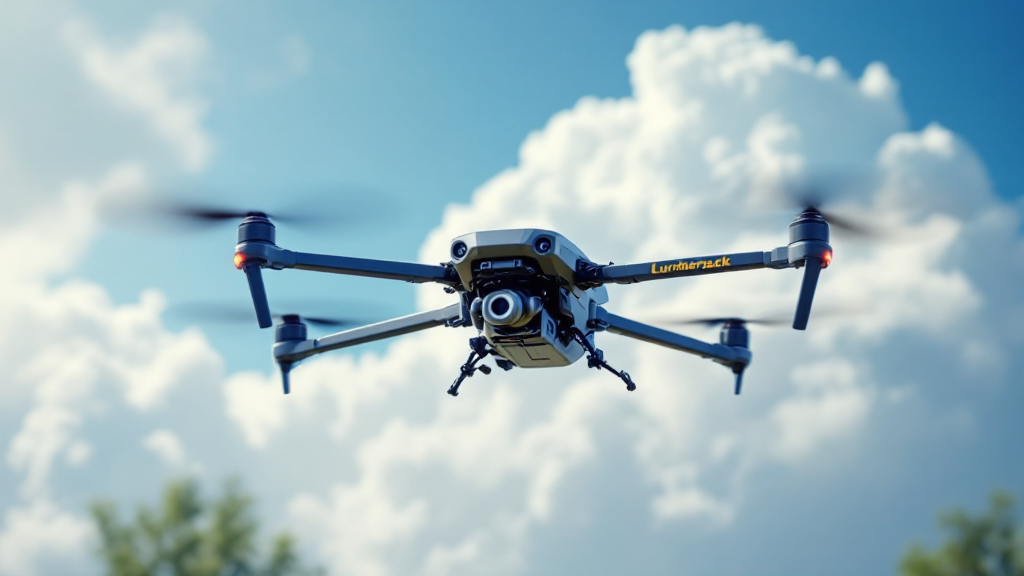
Northrop Grumman has successfully tested a new quantum navigation system for the Lumberjack drone that operates without satellite signals. The system uses highly accurate measurements of Earth's magnetic field, which increases the reliability and autonomy of drones even in the absence of GPS.
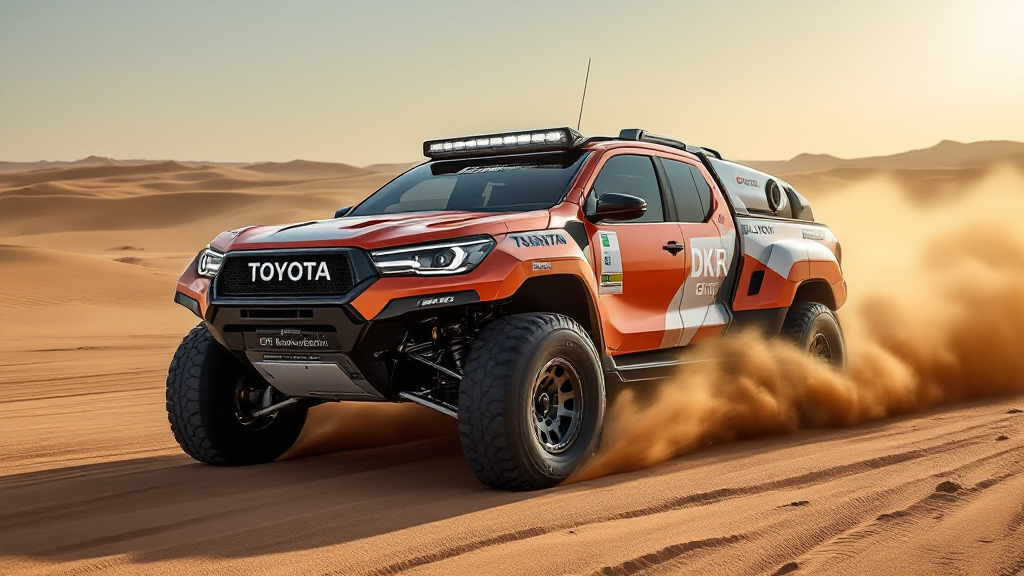
In 2027, Toyota will unveil the zero-emission hydrogen-powered DKR GR FC Hilux pickup at the Dakar Rally to test new technologies in extreme conditions. The data collected will help develop a production version by 2028.
SpaceX is preparing a test launch of Starship, during which, for the first time, the upper stage is expected to be placed into a stable orbit and deploy new Starlink V3 satellites with record-breaking bandwidth. This mission will mark an important step toward creating a fully reusable orbital system.
Scientists have developed a new solar desalination technology that efficiently purifies seawater and allows for the extraction of valuable minerals, including lithium, without producing harmful waste. This system can simultaneously expand access to fresh water and create sustainable sources of useful resources.
China is actively investing in the development of humanoid robots, but their current technology is not yet advanced enough to replace humans in most jobs. Despite impressive demonstrations, these robots still lag behind industrial counterparts in terms of speed and versatility. Achieving a real breakthrough will require further advancements in artificial intelligence.
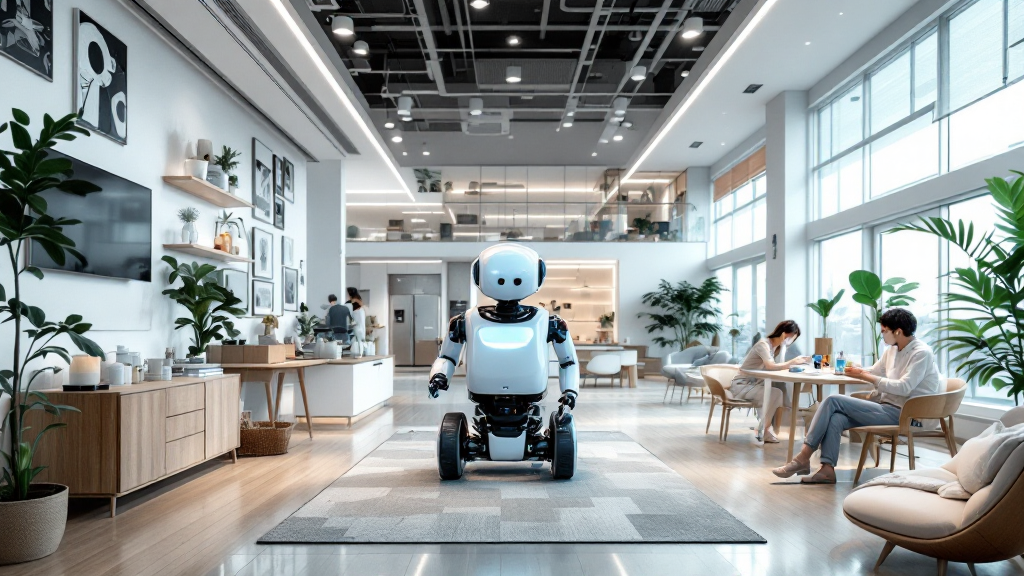
LG and Nvidia are expanding their collaboration in robotics by creating a new data center to train home robots using both real and synthetic data. The project aims to accelerate the adoption of smart robots in everyday life, but the widespread appearance of fully autonomous home assistants is not yet guaranteed.
American researchers have developed a technology that transforms plastic waste into protein-rich food using genetically modified yeast. While widespread adoption is still a long way off, this method opens up new possibilities for recycling plastics and producing food products.
Researchers have developed a programmable photonic circuit capable of dynamically controlling the delay and frequency of light signals on a single chip. This technology paves the way for more flexible and efficient optical computing and communications.
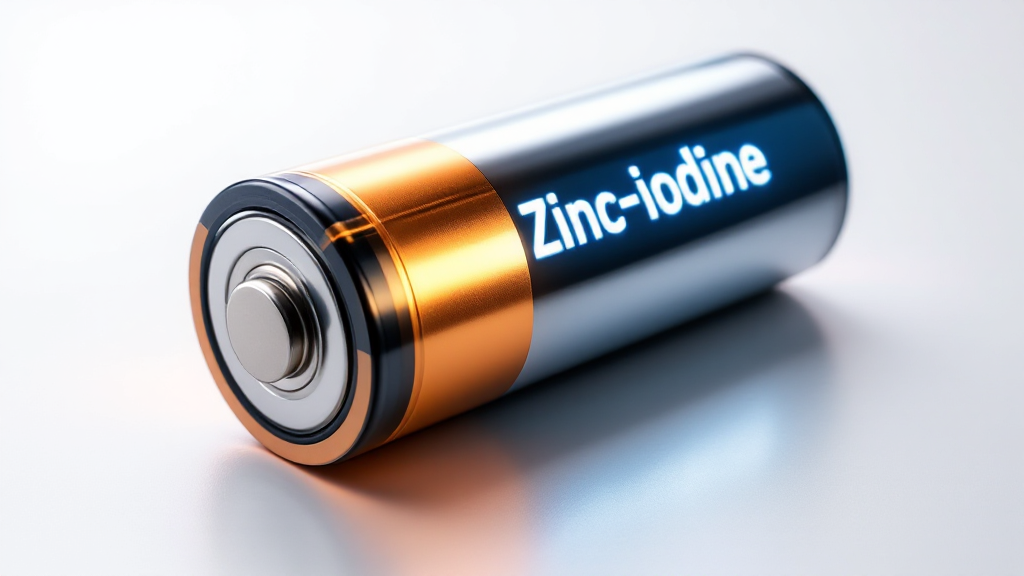
Australian scientists have developed a water-based zinc-iodine battery with a record-breaking lifespan and rapid charging capability, able to withstand more than 60,000 cycles. This new technology stands out for its safety and environmental friendliness, though it is currently still at the prototype stage.
Modern technologies are enabling artificial intelligence to gradually take on tasks that once required the flying intuition of test pilots. However, human experience remains irreplaceable when it comes to ensuring flight safety.
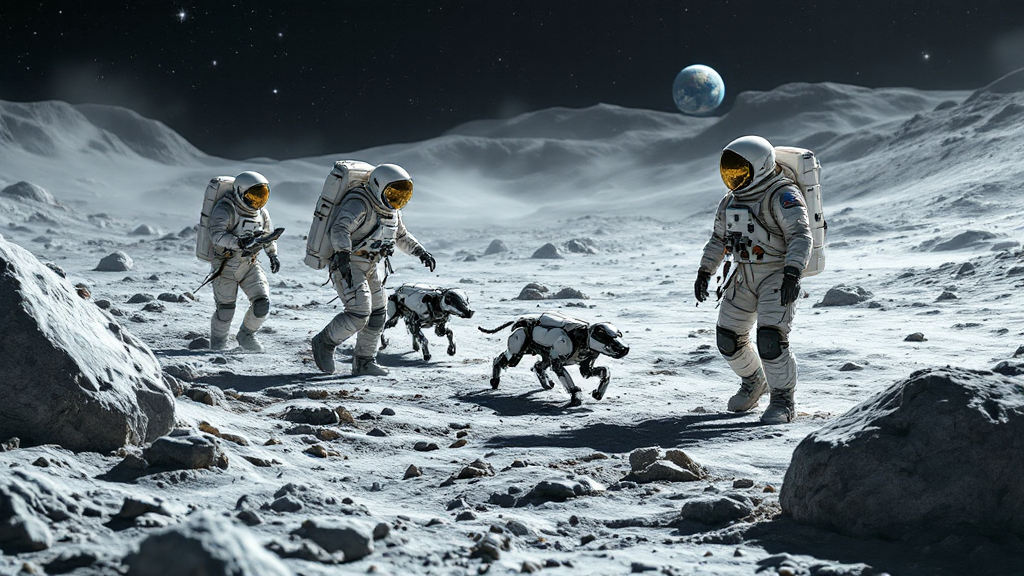
Chinese engineers propose using robot dogs at lunar bases to handle dangerous and routine tasks, as well as to provide emotional support for the crew. These machines could patrol the area, collect samples, maintain infrastructure, and help people cope with isolation.

 Ingenium