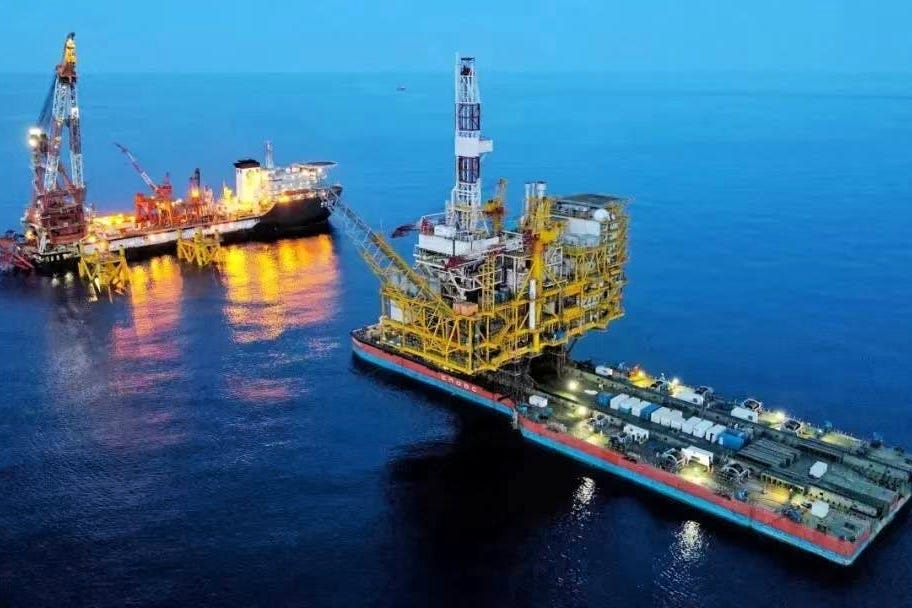
Denmark has launched the EU's first offshore facility for CO₂ storage, capable of handling up to 400,000 tons annually, with the potential to increase capacity to 8 million tons. This project highlights the importance of developing regulatory and investment frameworks to enable large-scale carbon capture in Europe.
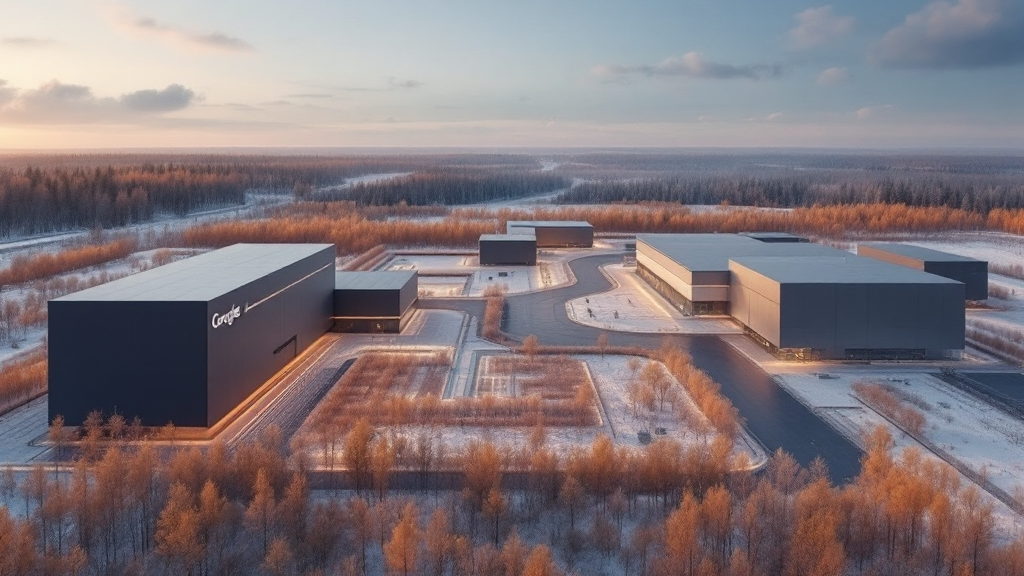
Google is investing €13 billion in the development of artificial intelligence infrastructure in Finland, including the construction of data centers and support for energy projects. The initiative is expected to create thousands of jobs and make a significant contribution to the country's economy and education sector.
In modern industrial facilities, cybersecurity has become an integral part of technical maintenance and safety, as automated and OT systems support all stages of the equipment lifecycle. The reliability of data and systems directly impacts the efficiency and safety of production.
Scientists have discovered that iron-rich rocks in Western Australia are capable of generating natural hydrogen, opening up new opportunities for the development and export of low-emission energy. The efficiency of this process depends not only on the presence of magnetite but also on the structure of the rock, which ensures water can access mineral surfaces.
Tesla and SpaceX have announced major investments in building factories for the production of solar cells and semiconductors in Texas, aiming to boost solar energy capacity in the United States. These projects will create thousands of jobs and support the development of infrastructure for new technologies.
In the United States, new technologies are being developed to extract valuable materials and isotopes from nuclear waste for use in industry and medicine. The REDUCE project accelerates waste processing, turning what was once a problem into a valuable resource.
The incident involving the destruction of a maritime drone near Romania's Neptun Deep gas field has raised concerns about the vulnerability of Europe's energy infrastructure and the need to strengthen security measures. Experts suggest designating offshore platforms as critical infrastructure and increasing transparency in how such threats are addressed.
The rapid growth of data center energy consumption is driving the search for new solutions. Scientists have developed a carbon nanostructure that increases the efficiency and lifespan of fuel cells, which could help reduce the strain on the power grid.
The Chinese company CNOOC has connected the country's first domestically developed floating wind power station to the grid at an offshore oil field. This project will help reduce dependence on fossil fuels and lower CO₂ emissions.
Shell has appointed Felix Farber as Executive Vice President for Low-Carbon Solutions amid a reduction in green assets. He will be responsible for developing the company’s hydrogen, biofuel, and carbon capture initiatives.
Mauritania has signed an agreement with a Saudi company to build a $700 million gas-fired power plant to meet the growing demand for electricity and enhance the country's energy stability.
Studies have shown that sodium batteries capable of retaining water can not only efficiently store energy but also desalinate seawater. This approach opens up possibilities for developing devices that simultaneously provide energy storage and water purification, which is especially relevant for coastal regions.
Shell has announced the sale of its portfolio of onshore renewable energy assets in Europe to TotalEnergies. This deal reflects Shell's strategic shift and the reallocation of investments toward higher-priority areas. The transfer of assets is expected to be completed by 2026.
The United Kingdom is actively developing the carbon storage market, exploring the use of new and repurposed pipelines for transporting CO2. These measures are considered essential for achieving the country's climate goals by 2050.
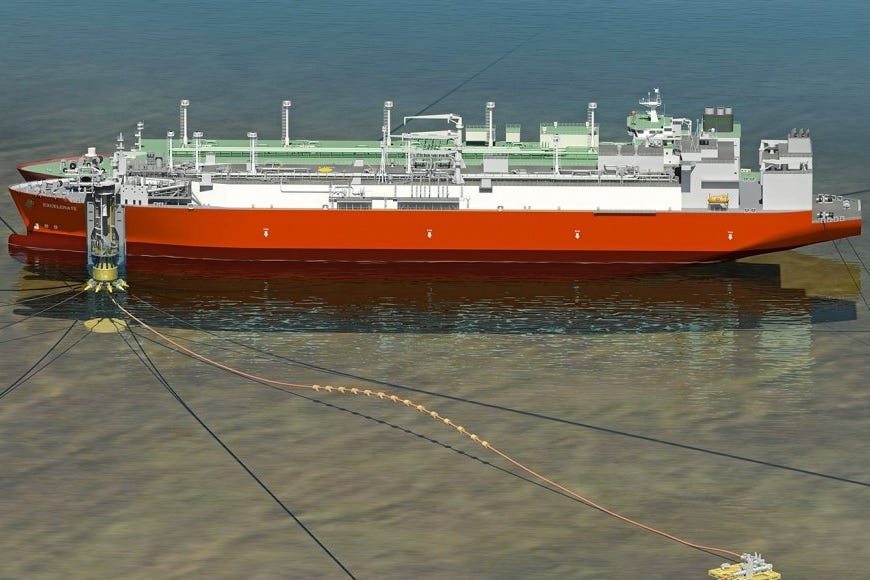
The government of Bangladesh is accelerating the launch of a new floating LNG terminal to address the acute gas shortage following an incident at an existing facility. The project is expected to enhance the country's energy resilience and reduce the risk of supply disruptions.

 Vigor
Vigor