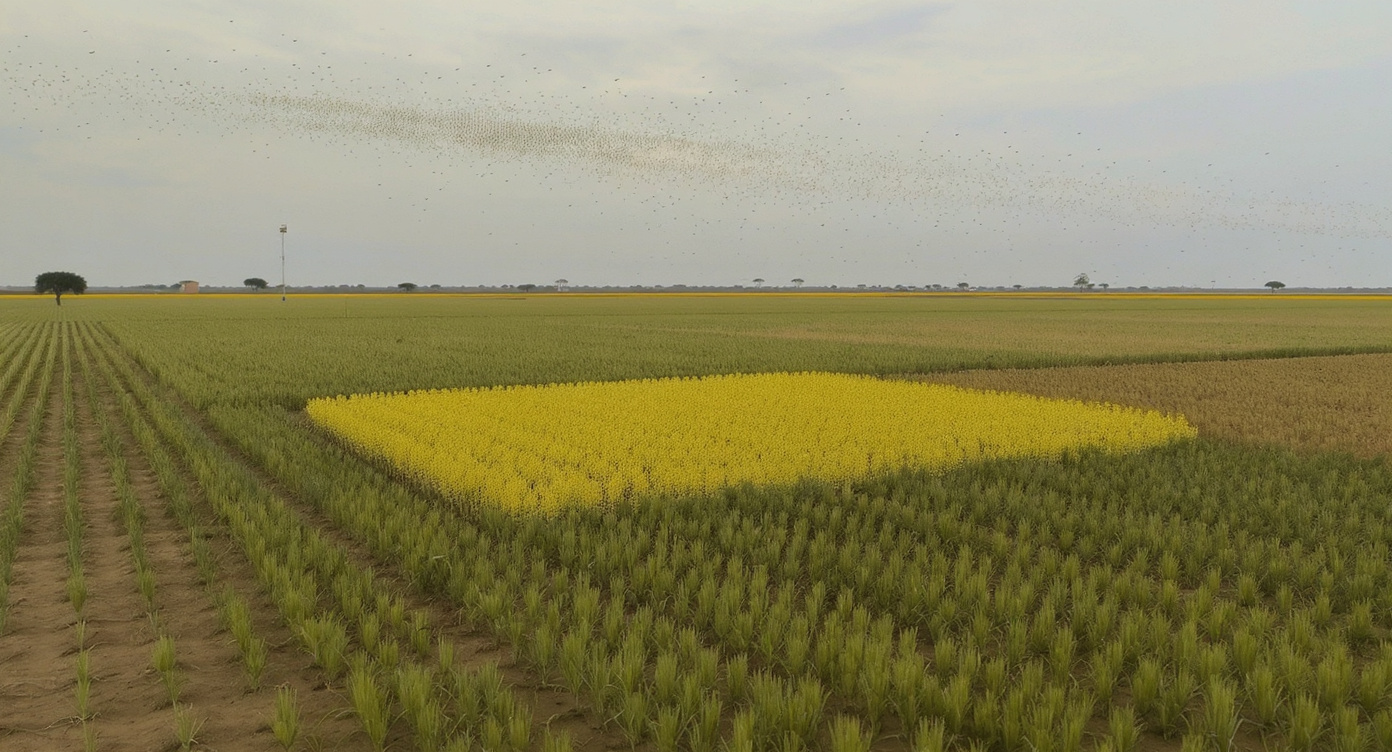
Irrigation in U.S. agriculture helps increase crop yields without expanding cultivated land, which prevents greenhouse gas emissions from converting natural areas. Efficient water use and the adoption of environmentally friendly technologies can further enhance the climate performance of the agricultural sector.
Switching to healthier diets and reducing food waste could significantly reshape the structure of agriculture and lower CO2 emissions by 2050. A decline in livestock farming and an increase in plant-based food production are expected; however, the economic impacts will vary by region and will require thoughtful support for vulnerable sectors.
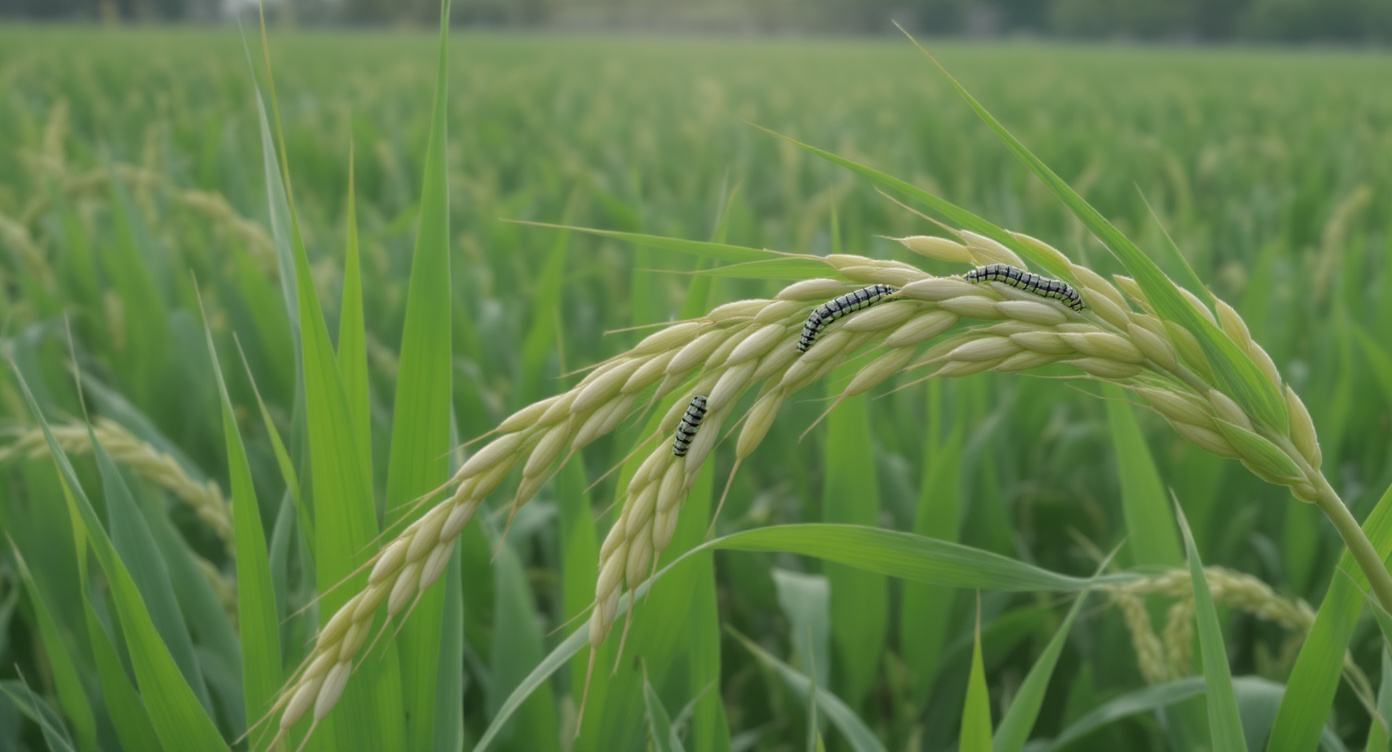
American scientists have discovered that rice defends itself against caterpillars by luring them inside its spikelets, where special hairs trap them, making escape impossible. Then, the grain husks close in and fatally crush the pests. This natural defense mechanism could help develop new varieties of cereals that are resistant to insects without the need for chemical pesticides.
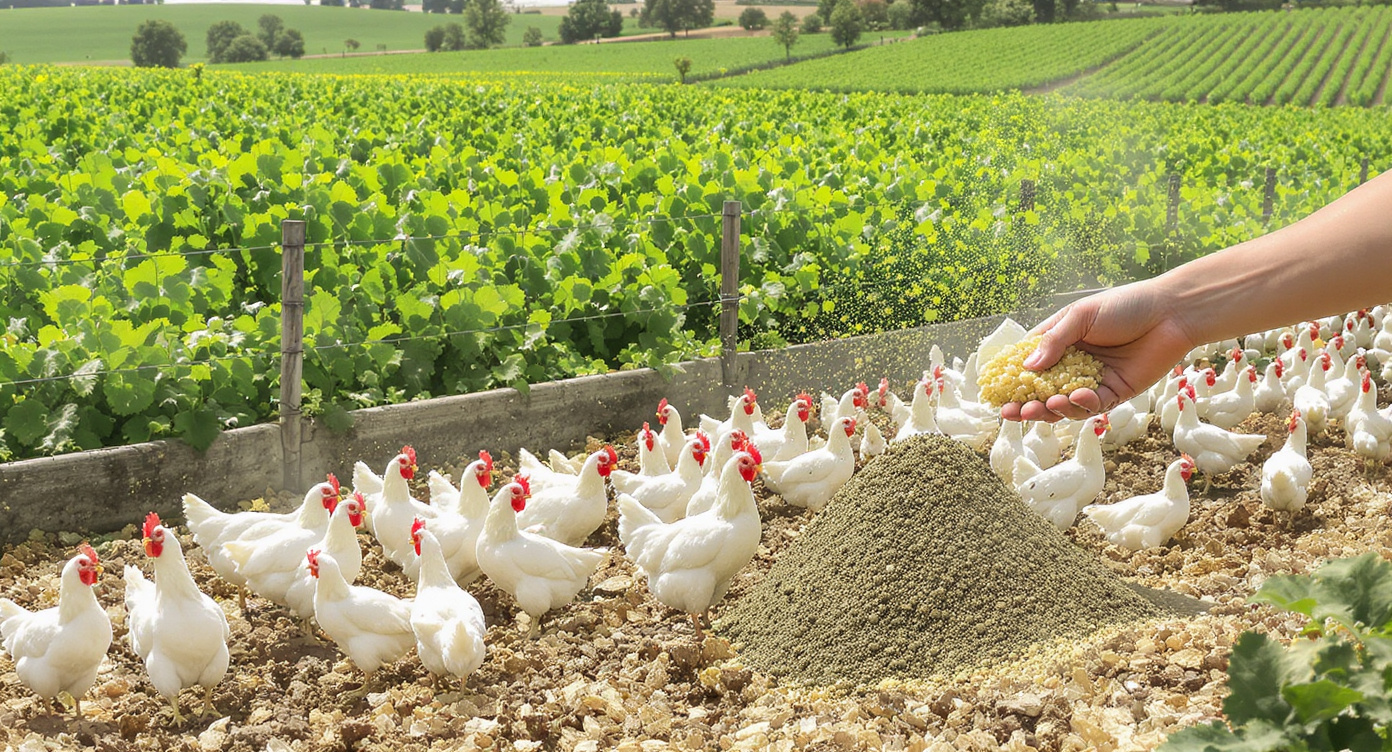
Grape pomace can serve as an effective and environmentally friendly alternative to antibiotics in poultry farming, promoting bird growth and health without the risk of developing antibiotic-resistant bacteria. Research shows that adding grape pomace improves the microbiome, reduces inflammation, and enhances product quality.
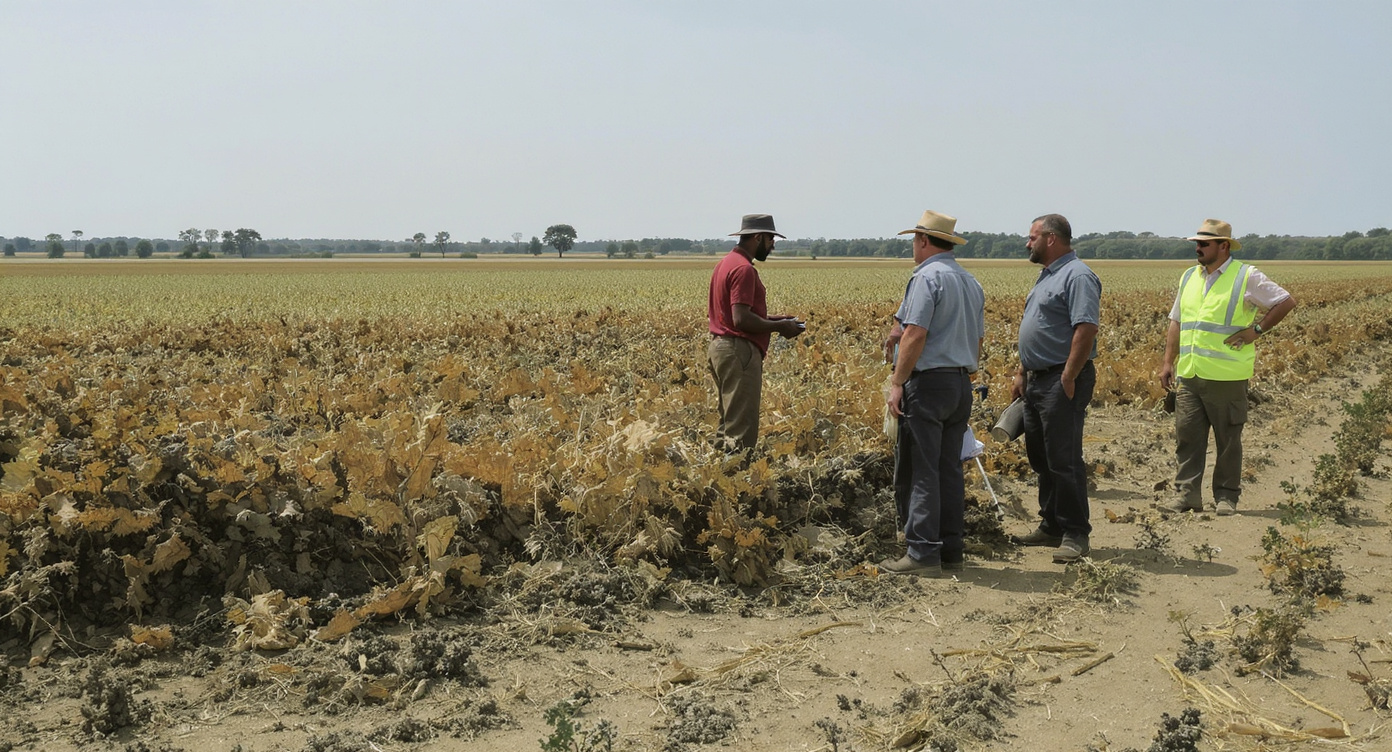
The Hungarian government has announced the introduction of emergency measures to support farmers due to a severe drought threatening the country's agriculture and economy. Swift actions are expected to minimize the consequences.
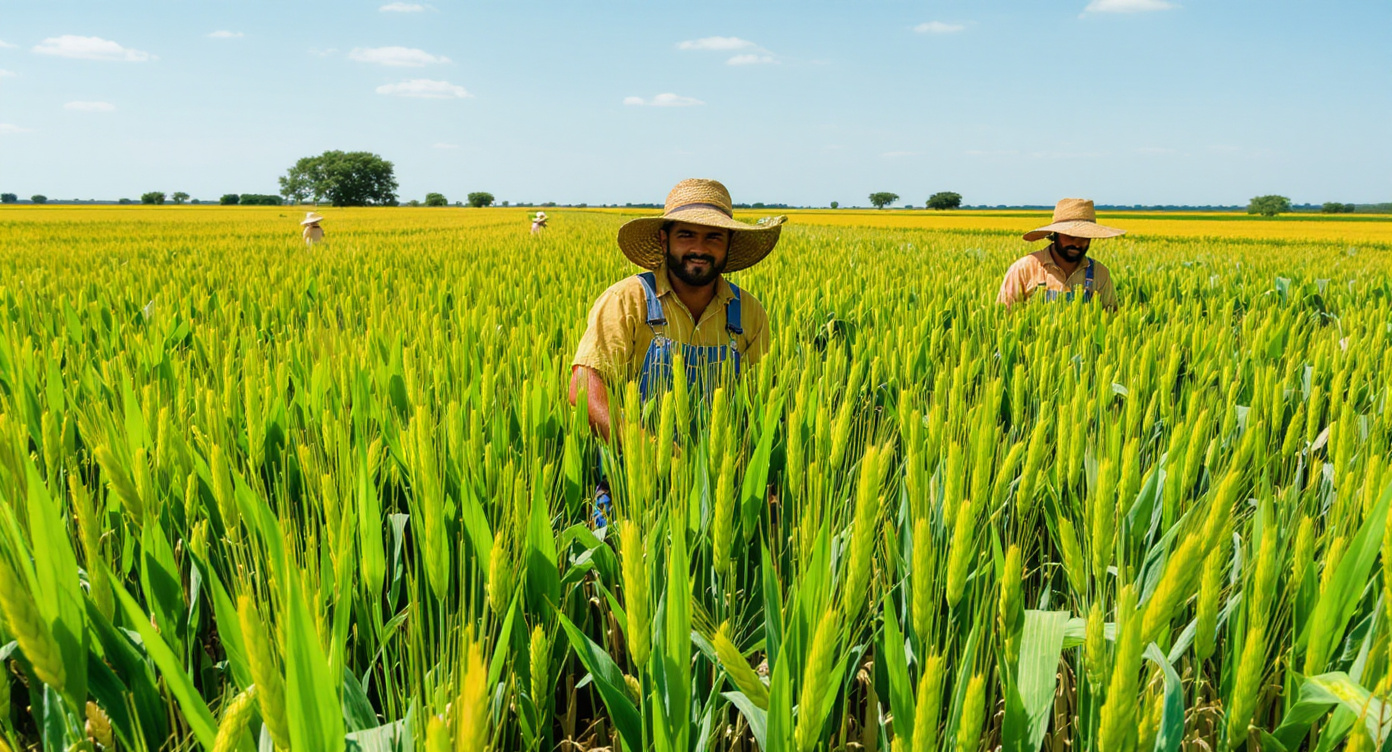
Scientists have used CRISPR technology to create wheat that encourages soil bacteria to naturally fix nitrogen. This breakthrough could reduce fertilizer costs, increase crop yields, and lessen environmental harm.
Scientists have proposed a new method to combat locusts: applying nitrogen fertilizers reduces pest populations while simultaneously increasing crop yields. This approach does not require emergency use of insecticides and remains effective even in the absence of an outbreak.
The plant Tidestromia oblongifolia can actively grow even in extreme heat thanks to its unique adaptation mechanisms. Studying its resilience may help develop new agricultural crops for the future in the context of global warming.

 Agros
Agros