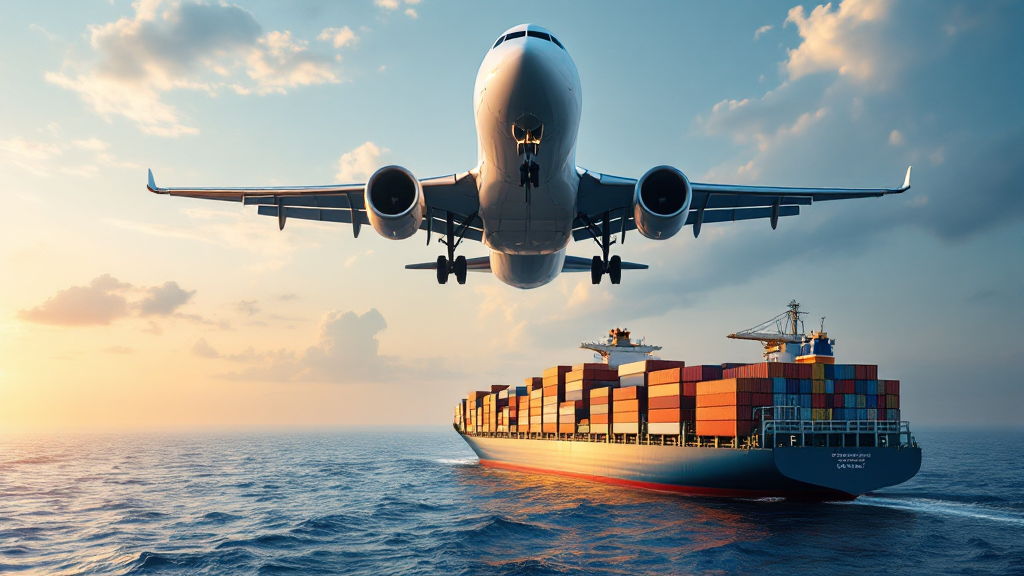
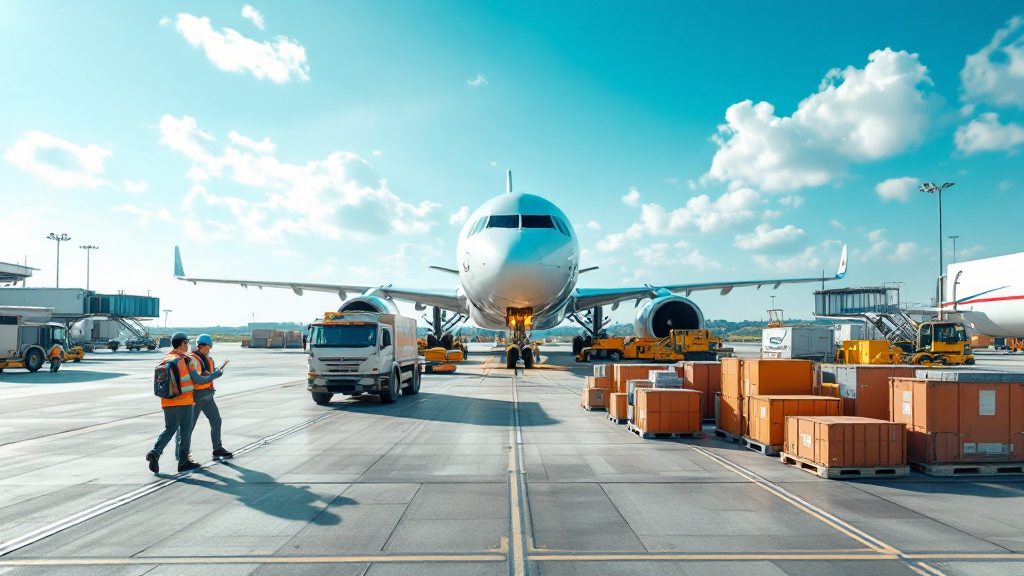
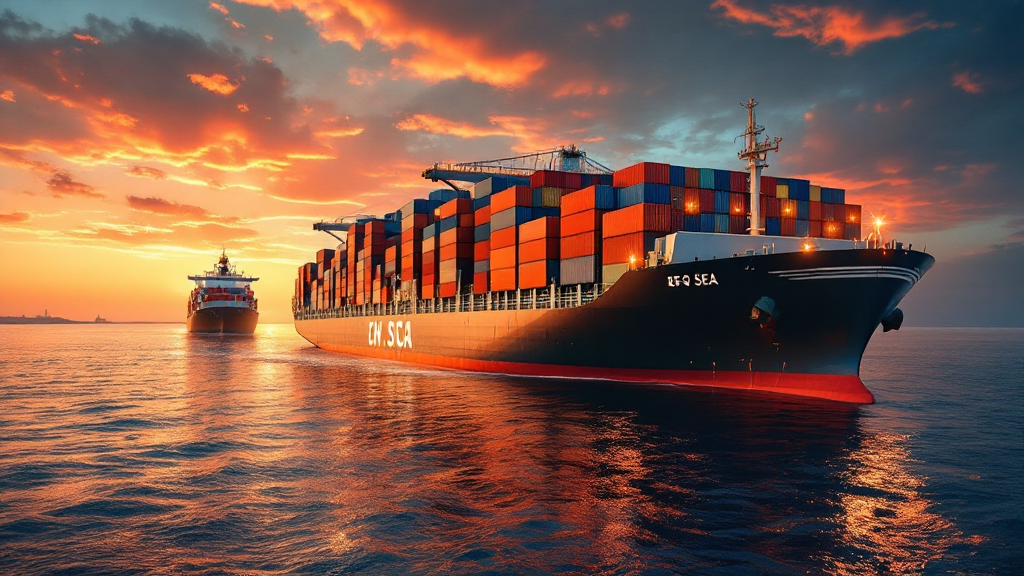
Air transportation is becoming an increasingly important part of logistics, especially amid the instability of sea shipping. However, new regulations for preparing air waybills are creating additional challenges and risks for market participants.
The trade conflict between the United States and Canada, along with new tariffs, is forcing Canadian importers to seek alternative suppliers, particularly in Europe. This is leading to a long-term restructuring of logistics chains and diversification of trade flows.
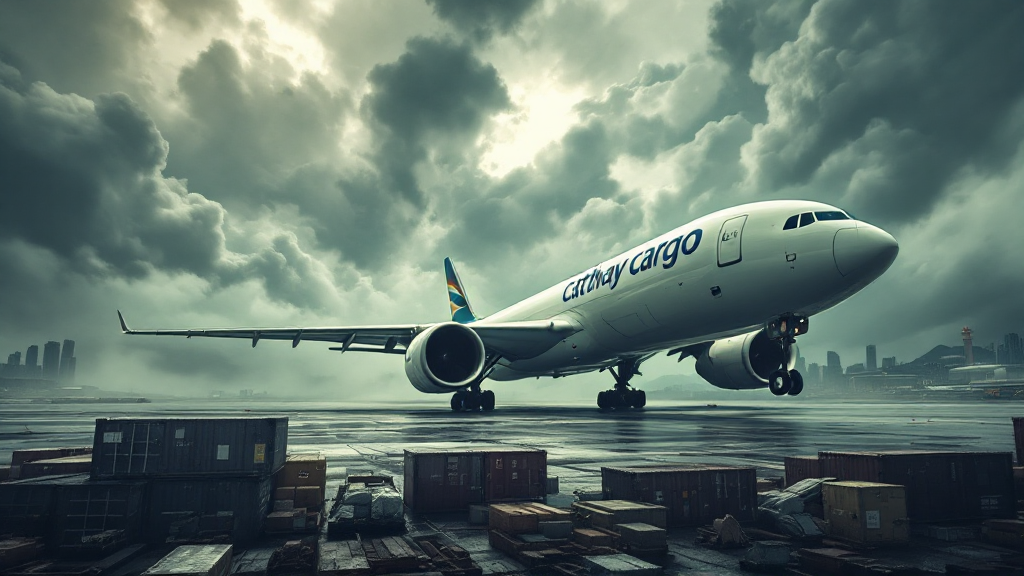
Cathay Cargo's freight volume increased by 9% in the first half of the year, driven by an improving Chinese economy and rising demand in international markets, despite external challenges and new tariffs.
Modern TMS systems have become indispensable for logistics, but their closed nature increases dependence on major providers and drives up costs. This article explores the advantages of open solutions, the role of artificial intelligence, and the prospects for creating a neutral infrastructure accessible to all market participants.
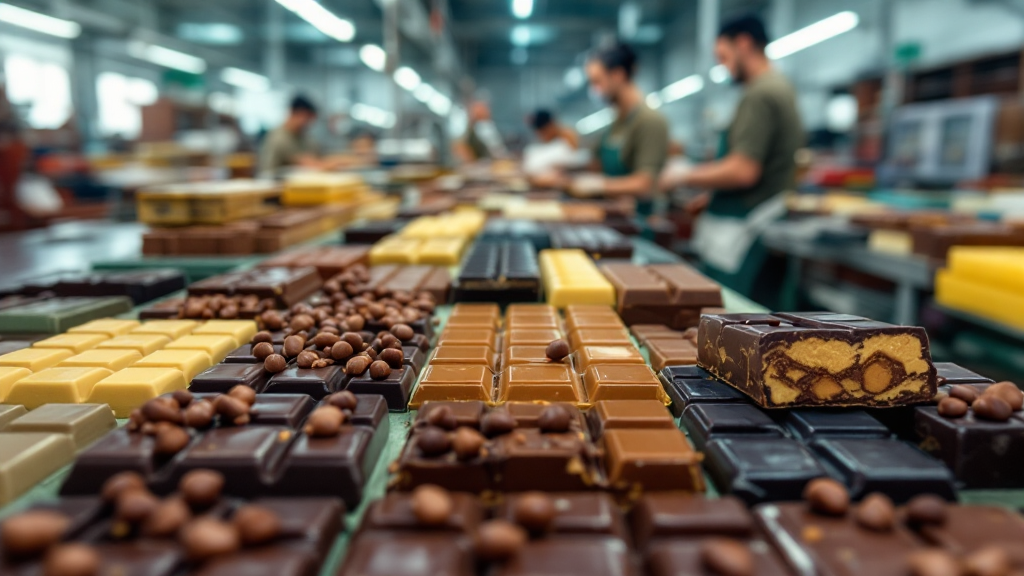
After a record surge and subsequent decline in cocoa prices, chocolate manufacturers are introducing innovations and streamlining their supply chains to reduce the impact of market volatility and ensure business sustainability.
The article examines the logistical and strategic challenges of creating new oil and gas export routes that bypass the Strait of Hormuz, as well as their impact on energy markets and supply stability. It analyzes the prospects of major infrastructure projects, alternative export pathways, and the associated risks for India and the countries of the Persian Gulf.
After sharp fluctuations in cocoa prices, chocolate manufacturers are introducing innovations and rethinking their supply chains to reduce their dependence on raw materials and minimize the impact of market volatility.
Despite the decline in shares of AI equipment manufacturers, demand for electricity, logistics, and infrastructure for data centers continues to grow. These trends are expected to persist in the long term.
Airfare rates are declining despite rising fuel prices and shifting demand on certain routes. The market is showing resilience, and operators are flexibly reallocating capacity in response to new challenges.
Artificial intelligence not only helps optimize individual processes within supply chains, but also integrates them into a unified, flexible system. The greatest value is gained by companies that use AI to coordinate operations and make real-time decisions.
Container shipping rates within Asia continue to decline amid weakening Chinese exports and a slowdown in peak season activity. Shipping companies are expanding their routes, but the market is showing signs of slowing down.
The main peak of the container shipping season ended earlier than usual this year, due to external factors and changes in logistics. A possible second mini-peak is expected in the fourth quarter.
Maersk is opening a new 57,300-square-meter order fulfillment center near Boston to serve a major e-commerce client. The $100 million facility will be able to process up to 330,000 units per day and will support the company’s strategy to expand integrated logistics solutions in the United States.
The shift of airlines to dynamic pricing and fragmented booking channels makes it more challenging for freight forwarders to calculate costs and find available cargo capacity. To operate efficiently, it is essential to integrate digital platforms and apply professional judgment when selecting the best solutions for clients.
Despite restrictions and ongoing instability in the Middle East, container ships continue to pass through the Red Sea, and demand for charter vessels remains high. Carriers are seeking alternative routes to keep trade flowing in the region.


 Vector