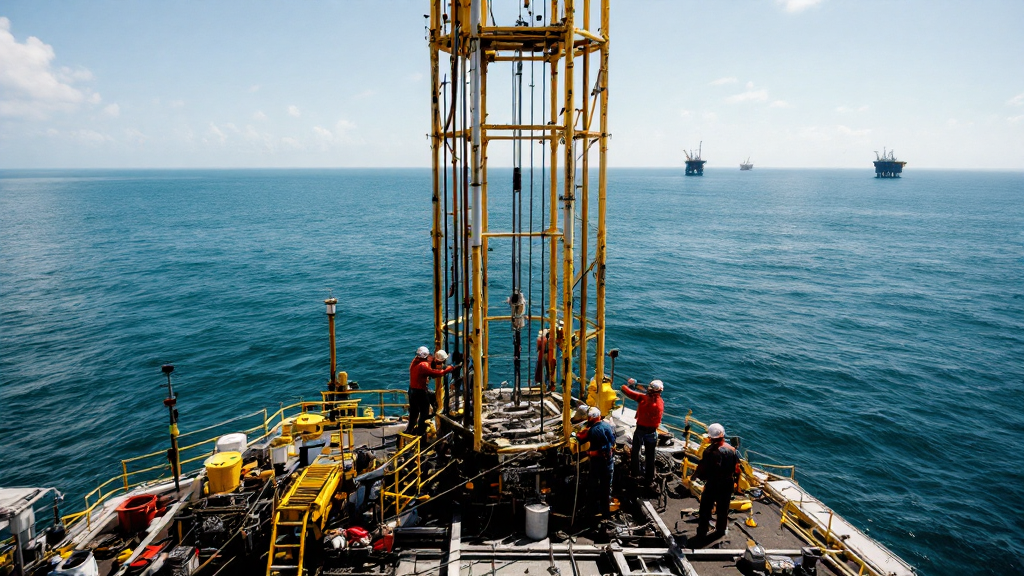
Transocean has signed an $80 million contract to conduct drilling operations in Equatorial Guinea in 2027. The company notes a growing demand for deepwater projects in Africa.
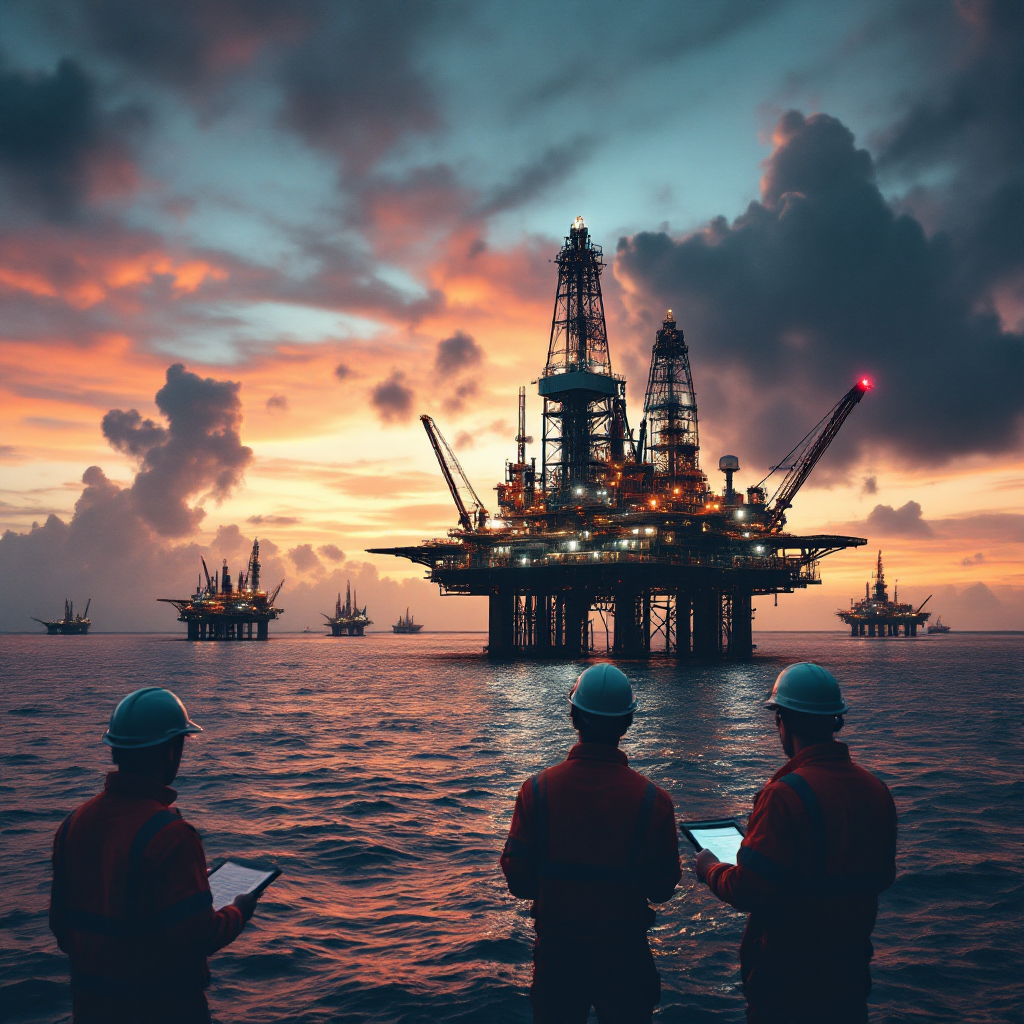
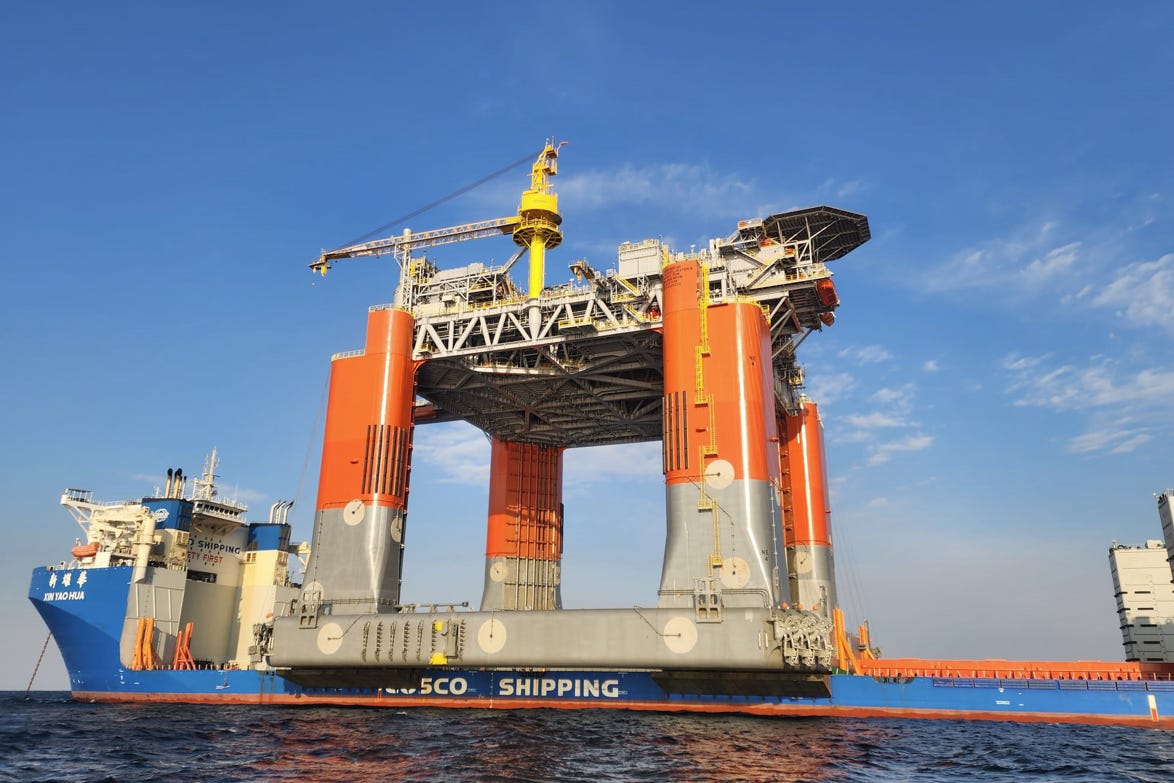
BP has completed the expansion of the Atlantis platform in the Gulf of Mexico ahead of schedule and at lower costs, which will allow oil production to increase by 10,000 barrels per day. This project strengthens the company's position in the region and extends the operational life of one of its key assets.
After a leak was discovered at the Who Dat field in the Gulf of Mexico, production dropped by 38%. Operations at the E manifold are expected to resume in the fourth quarter of 2027, while partners are seeking ways to maintain and increase output.
BP and Chevron have evacuated some employees from their facilities in the Gulf of Mexico due to the strengthening of Tropical Storm Beryl. Other operators continue to monitor the situation and are prepared to take action if weather conditions worsen.
Shell is selling part of its assets in the US Gulf of Mexico to Talos Energy and Ridgewood Energy for $1.7 billion. The deal includes stakes in the Na Kika and Coulomb platforms and is expected to be completed by the end of 2026.
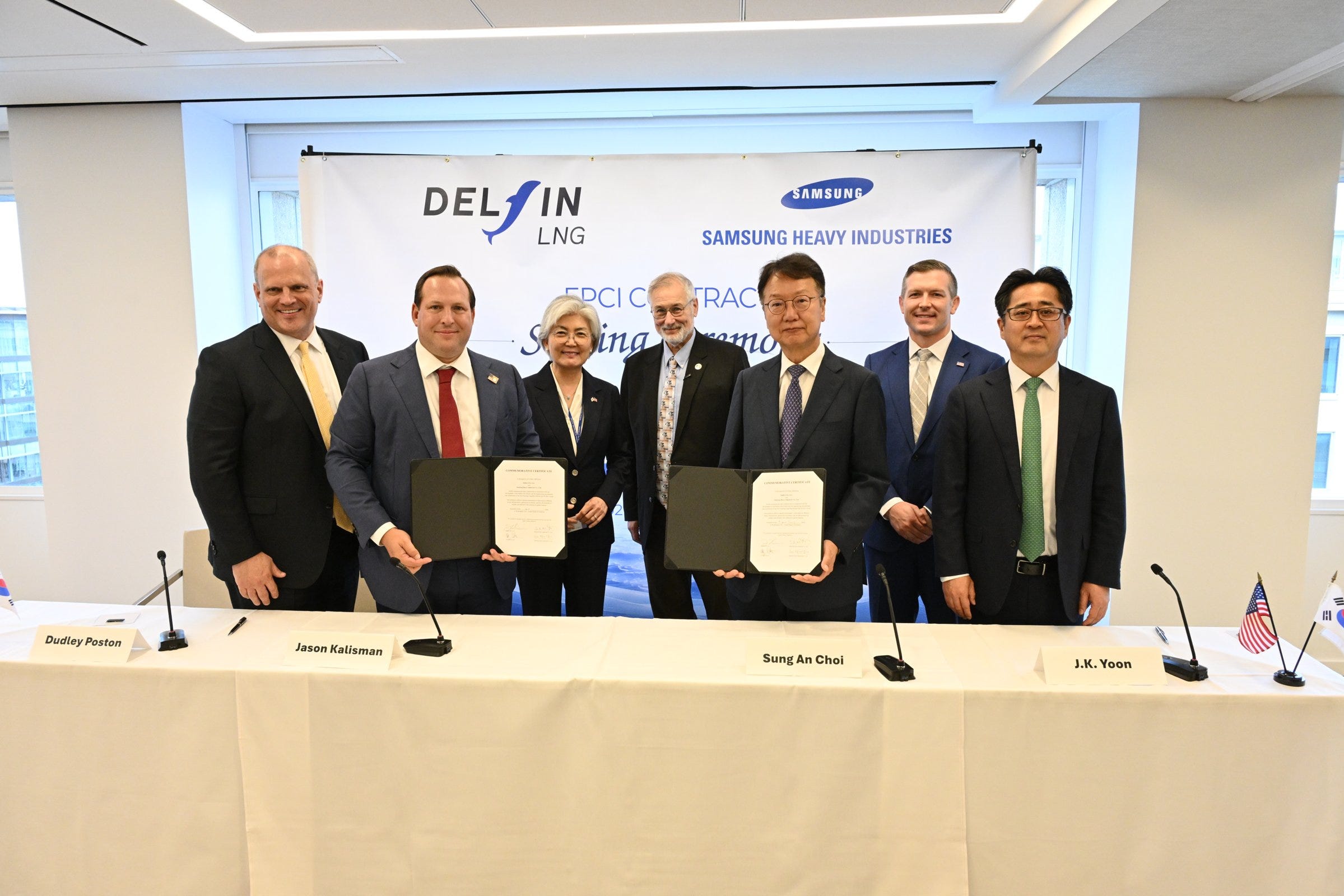
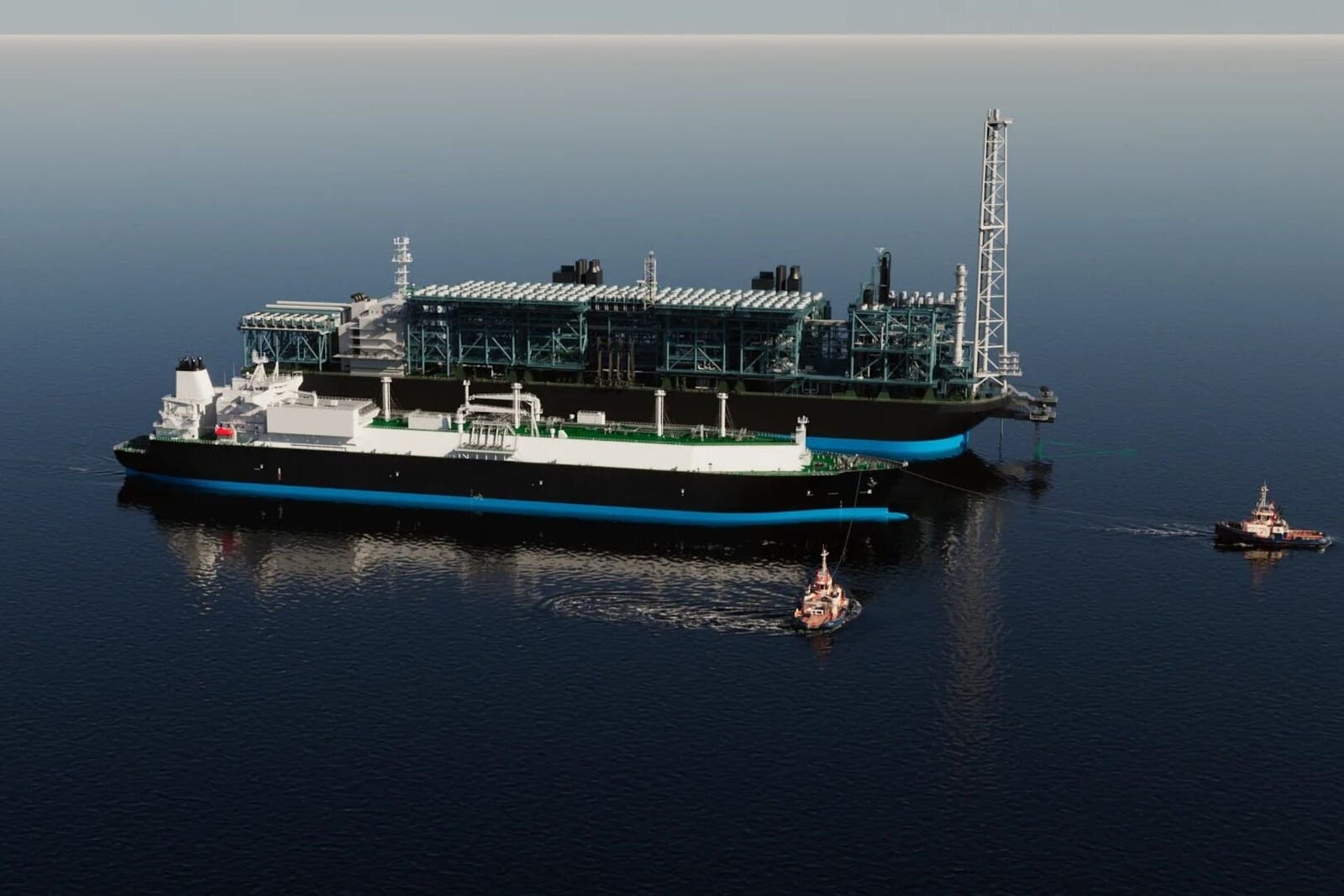
Samsung Heavy Industries has signed a contract to build the first floating liquefied natural gas (FLNG) plant for the Delfin LNG project in the United States and is currently negotiating the supply of two more similar facilities. The development of FLNG projects is expected to strengthen the company's position in the market and ensure long-term growth.
Delfin Midstream has made a final investment decision of $5 billion to build the first floating LNG plant in the US Gulf of Mexico, which will become the largest FLNG project in the world. The first batch of production is expected by 2030.
Despite record oil production in the U.S. Gulf of Mexico in 2025, experts predict that output will decline in the coming years due to a decrease in the number of operators and delays in new projects. To sustain industry production, new wells and continued investment are essential.
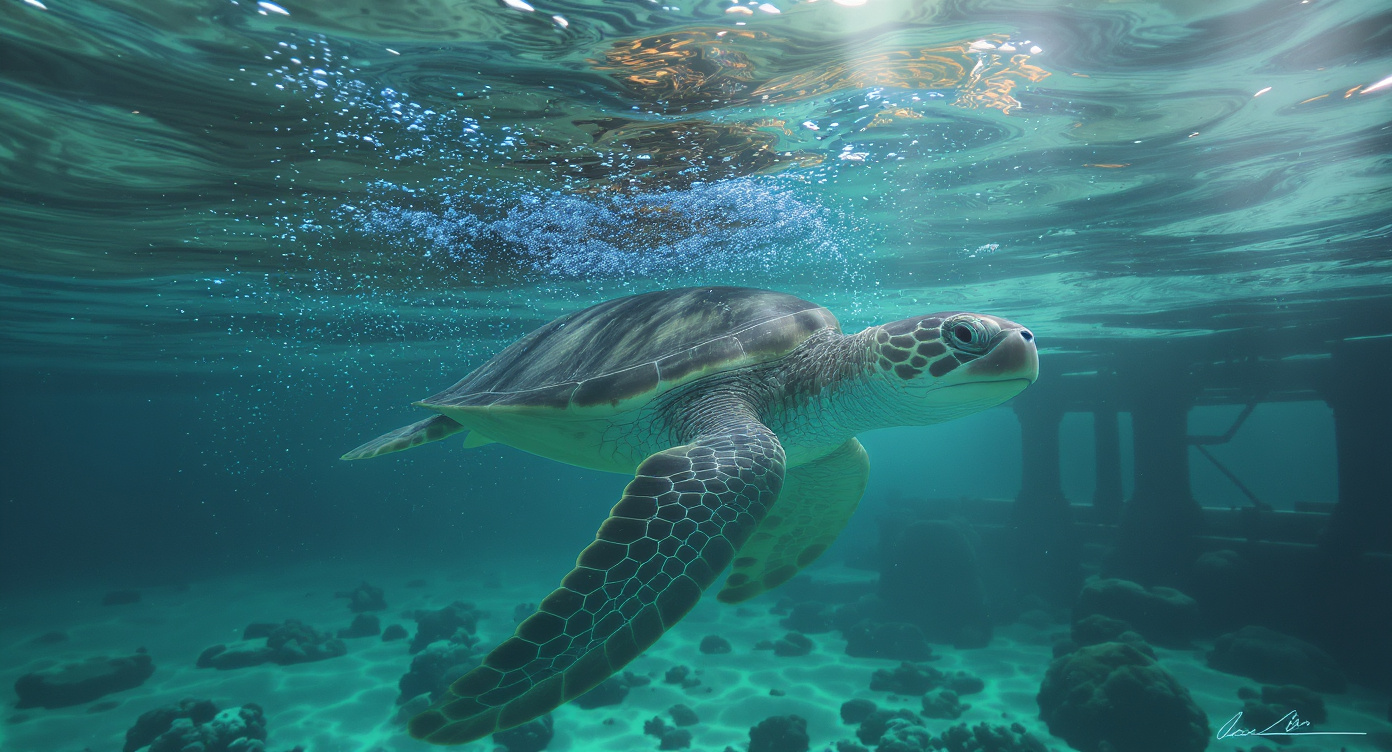
The study found that the endangered Kemp's ridley sea turtles are particularly sensitive to low-frequency noise, which overlaps with the range of human-made sounds in the ocean, making them vulnerable to acoustic disturbances.

 Petrus