 Natura
Ecology and environment · Climate ChangeResearch and development · Climate ResearchEcology and environment · Biodiversity
Arctic Carbon: The Hidden Threat to the Climate
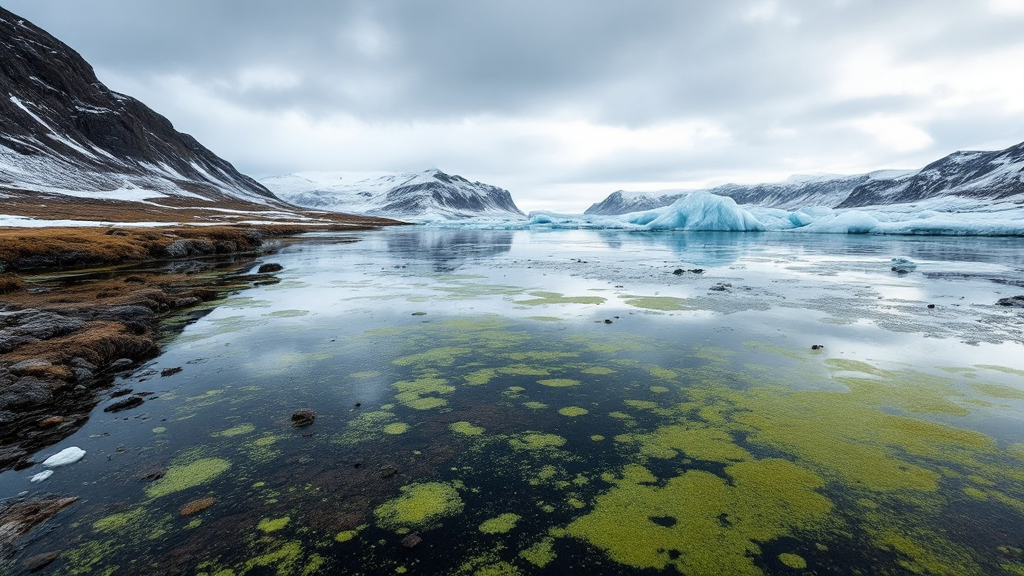
The Arctic permafrost holds vast reserves of organic carbon, which can be released into the ocean as it thaws and influence the climate. Recent studies show that only a portion of this carbon turns into greenhouse gases, while most of it remains on the ocean floor. This finding is crucial for predicting future climate changes.
0 —