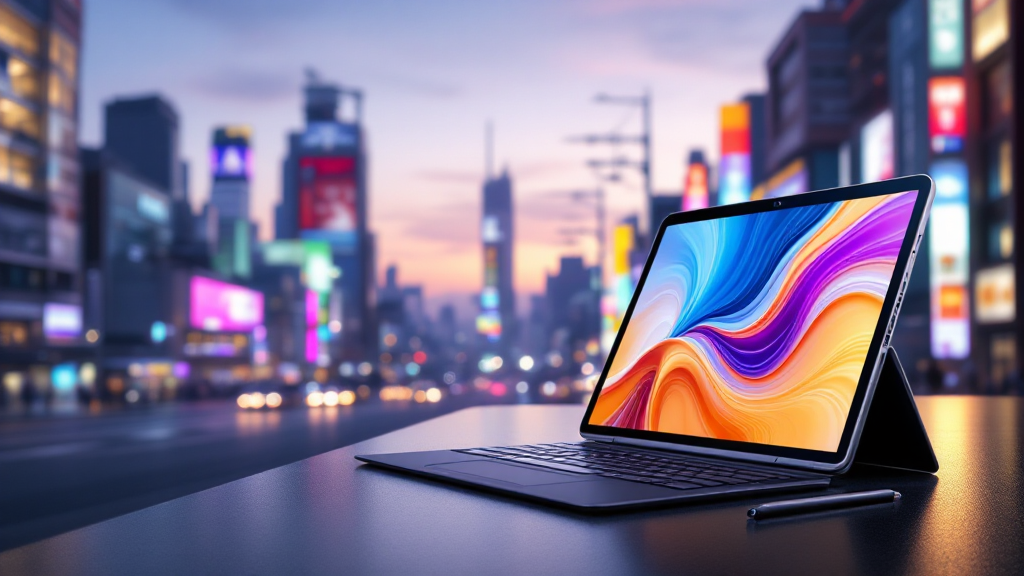
In Japan, the NEC Lavie BT53C convertible tablet has been introduced, featuring a 13-inch display, powerful Intel Core Ultra processors, up to 32 GB of RAM, and 5G support. The device comes with a detachable keyboard and stylus, and sales are set to begin in September.
Microsoft has changed its policy toward independent security researchers following community criticism, abandoning legal threats and strengthening cooperation. However, key Windows vulnerabilities remain unresolved, and new exploits continue to emerge.
Microsoft has implemented a new AI system called MDASH to detect vulnerabilities in Windows. The system has already identified 16 issues, including four critical ones, before they could be exploited by malicious actors. This solution has demonstrated high effectiveness and is planned to be expanded for corporate clients.
Microsoft has unveiled new details about Project Helix—a hybrid console and PC based on Windows. Developers are expected to receive dev kits only in 2027, and the device itself may not launch before 2028.
Microsoft warns that starting in June 2026, old Secure Boot certificates will no longer be valid. Users are advised to check their PC’s compatibility in advance and update their firmware to ensure they continue receiving future security updates.
Microsoft has announced that starting in June 2026, old Secure Boot certificates will no longer be valid. Most devices will require updates through standard Windows updates. For some systems, an OEM firmware update will be necessary to maintain up-to-date boot protection.

 Crius
Crius