

French fries increase the risk of diabetes, while whole grains help reduce it.
A new study has shown that regular consumption of French fries is associated with an increased risk of type 2 diabetes, whereas boiled, baked potatoes and mashed potatoes do not have this effect. Replacing French fries with whole grain foods can help reduce the risk of developing the disease.
Salus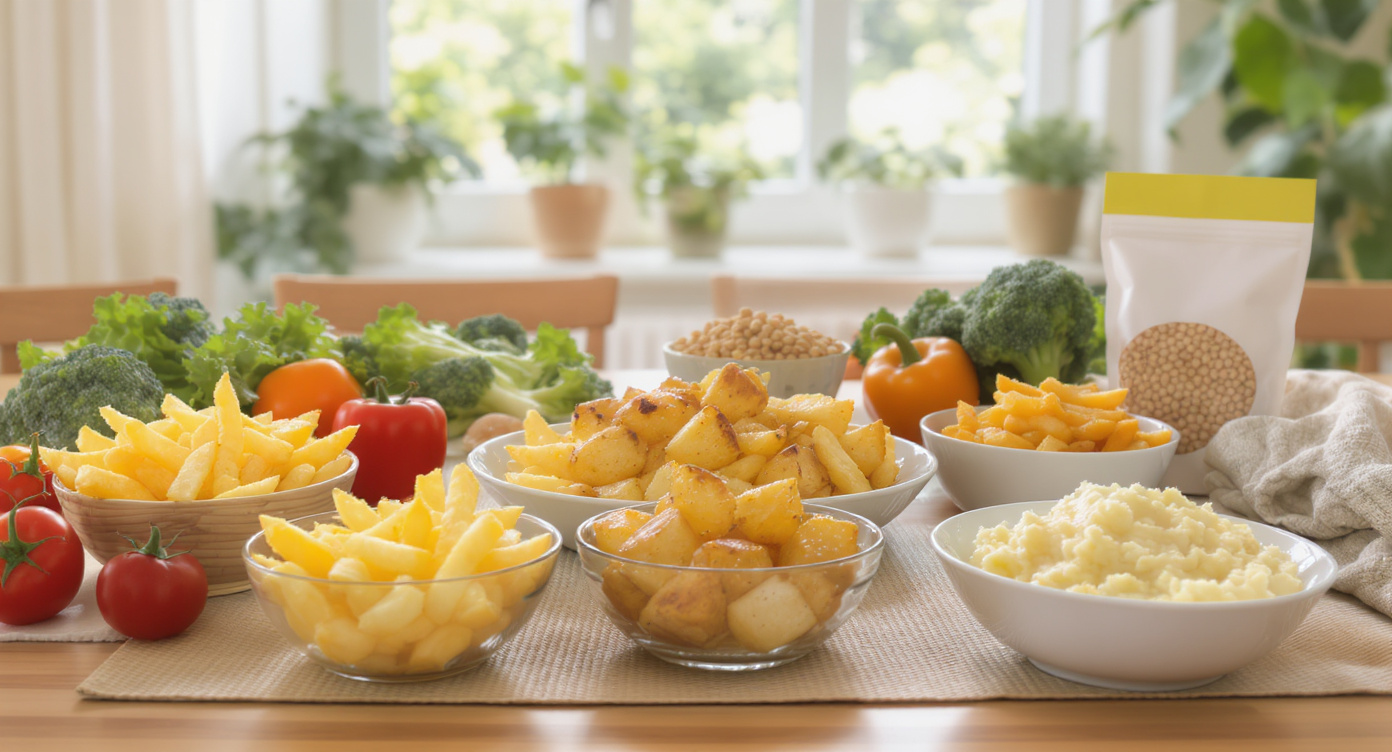
A study published in The BMJ found that consuming three servings of French fries per week is associated with a 20% increased risk of developing type 2 diabetes. In contrast, eating a similar amount of potatoes prepared in other ways—such as boiled, baked, or mashed—did not show a significant increase in disease risk.

The impact of replacing potatoes in the diet was also notable. Substituting potatoes with whole grains was linked to a lower risk of type 2 diabetes, while replacing them with white rice was associated with a higher risk.

Potatoes contain important nutrients like fiber, vitamin C, and magnesium, but they are also high in starch and have a high glycemic index, which can cause rapid spikes in blood sugar. Previous studies have linked potato consumption to an increased risk of type 2 diabetes, but they did not always account for preparation methods or alternative foods.

To analyze these factors, researchers examined differences in diabetes risk based on the consumption of French fries versus potatoes prepared by boiling, baking, or mashing. They also assessed the effects of replacing potatoes with other common carbohydrate-rich foods, including whole grains and rice.

The study used data from over 205,000 American healthcare professionals who participated in three large, long-term studies from 1984 to 2021. At the start of the observation period, participants did not have diabetes, cardiovascular disease, or cancer. Every four years, they completed detailed dietary questionnaires, allowing researchers to track changes in eating habits.

Over nearly 40 years of follow-up, 22,299 participants developed type 2 diabetes. After adjusting for lifestyle and other risk factors, the researchers found that every three servings of potatoes per week were associated with a 5% increase in the incidence of type 2 diabetes. The strongest association was observed with French fries: three servings per week increased the risk by 20%. Consumption of baked, boiled, or mashed potatoes did not show a statistically significant increase in risk.

Analysis of food substitutions showed that replacing three weekly servings of potatoes with whole grains reduced the incidence of type 2 diabetes by 8%. Replacing baked, boiled, or mashed potatoes with whole grains lowered the risk by 4%. Substituting French fries with whole grains was associated with a 19% reduction in disease incidence. Conversely, replacing potatoes or their varieties with white rice led to an increased risk of type 2 diabetes.

The study was observational and does not prove that French fries directly cause diabetes. The possible influence of other unmeasured factors cannot be ruled out. Most participants were healthcare professionals of European descent, so the results may not apply to all population groups.

The authors note that the link between potato consumption and type 2 diabetes risk depends on the specific foods used as substitutes. These findings align with current dietary recommendations that advise including whole grains in the diet to help prevent type 2 diabetes.

An editorial accompanying the study emphasizes that potatoes should not be viewed as a single, uniform category when assessing their health effects. It is important to consider both preparation methods and substitute foods when developing dietary guidelines and nutrition policies. Baked, boiled, or mashed potatoes can be part of a healthy and environmentally sustainable diet due to their relatively low environmental impact and overall nutritional value. However, whole grains should remain the preferred choice for reducing diabetes risk. The editorial also recommends further research involving more diverse populations and analysis of different preparation and substitution methods.