

Anxiety and insomnia weaken the immune system of young women.
The study found that anxiety and insomnia in young women are linked to a decrease in natural killer cell levels, which may weaken the immune system and increase the risk of illness.
Salus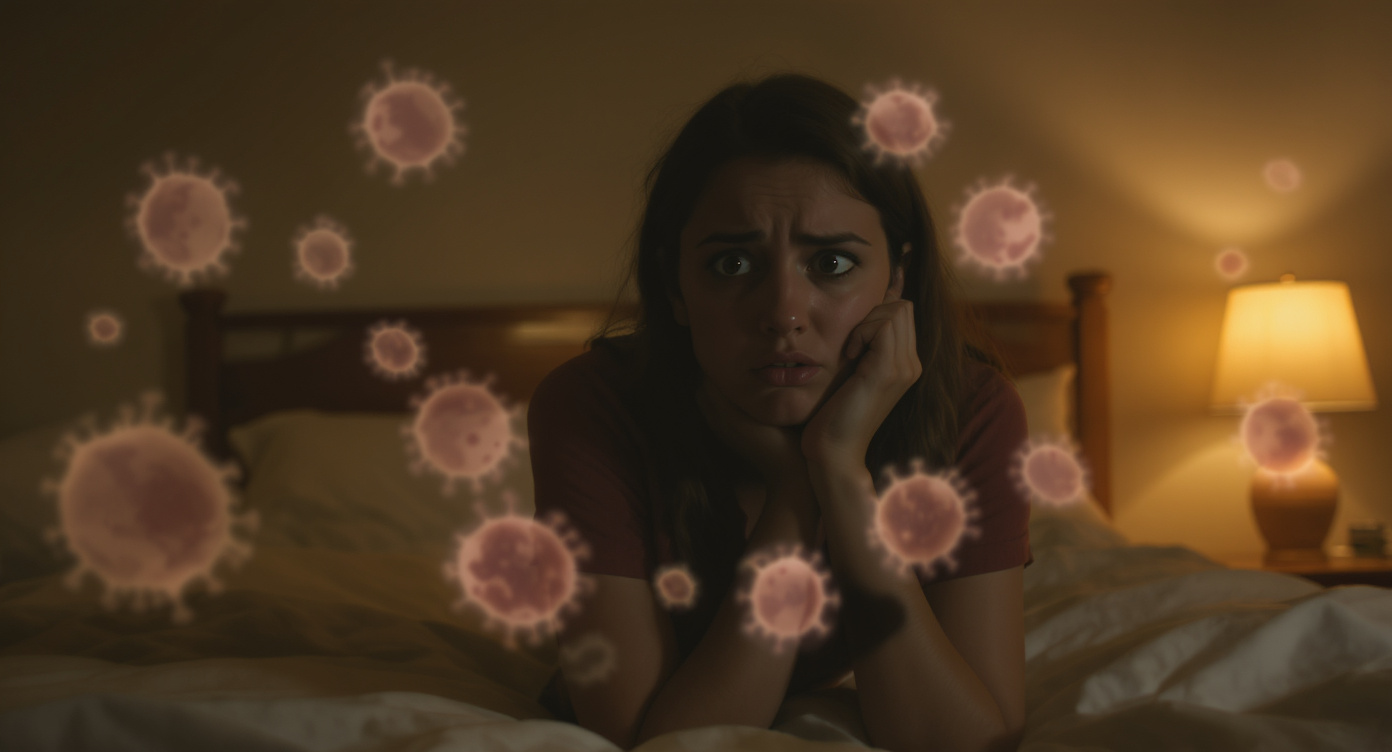
Anxiety and insomnia are closely linked to a decrease in the level of vital natural killer cells in young women. This reduction can weaken the body's immune defenses, increasing the risk of inflammatory processes, tumors, and chronic diseases.
The Role of Natural Killer Cells in Immunity
Natural killer cells (NK cells) play a crucial role in the immune system. They help control infections by destroying invading microbes, foreign materials, and damaged or infected cells at early stages, thereby limiting their spread. NK cells can circulate in the bloodstream or remain in specific tissues and organs. If their numbers become too low, the immune system cannot function properly, which raises the risk of various diseases.
The Impact of Anxiety and Insomnia on Immunity
It is well established that anxiety disorders and insomnia negatively affect the functioning of the immune system. As these conditions become increasingly common, researchers from Saudi Arabia studied their connection to NK cell levels in young female students. The results were published in the journal Frontiers in Immunology.
Dr. Renad Alhamawi, Associate Professor of Immunology and Immunotherapy at Taibah University, noted: “We found that students with symptoms of insomnia had reduced numbers and percentages of NK cells and their subgroups. Those experiencing general anxiety also showed a decrease in the percentage and number of circulating NK cells compared to participants without such symptoms.”
Study Design and Participant Profile
The study involved 60 female students aged 17 to 23. Each participant completed three questionnaires: one on sociodemographic data and two on symptoms of anxiety and insomnia. About 53% of participants reported sleep difficulties, and 75% reported symptoms of anxiety; approximately 17% and 13% fell into the moderate and severe categories, respectively.
Blood samples were collected to analyze different types of NK cells. The main NK cell subgroups are CD16+CD56dim (predominant in the peripheral nervous system, cytotoxic) and CD16+CD56high (less common, promote the release of protein mediators and support immune regulation). Both subgroups are considered circulating NK cells.
How Anxiety and Insomnia Affect NK Cell Levels
The results showed that students with symptoms of anxiety and insomnia had lower percentages and numbers of circulating NK cells and their subtypes compared to those without such symptoms. The decrease was especially pronounced in participants with moderate to severe anxiety. For those with minimal or mild symptoms, the changes were insignificant and statistically non-significant. Among students with insomnia, higher anxiety levels were also associated with a lower proportion of peripheral NK cells.
Consequences of Reduced Immune Protection
A drop in NK cell levels can weaken immunity, increasing the risk of infections, cancer, and mental health disorders such as depression. According to Alhamawi, understanding how psychological stressors affect the distribution and activity of immune cells, especially peripheral NK cells, can provide valuable insights into the mechanisms of inflammation and tumor development.
Study Limitations
The authors note that the study included only young women, a group in which anxiety and sleep problems are particularly prevalent. This narrow focus limits the ability to generalize the results to other populations. To gain a more comprehensive understanding of how anxiety and insomnia affect NK cell levels and function, studies involving people of different ages, genders, and regions are needed.
Lifestyle and the Impact of Stress on Immunity
Previous research shows that healthy habits—such as regular physical activity, stress reduction, and a balanced diet—help improve NK cell levels and function. However, anxiety and insomnia can disrupt normal biological processes, including immune responses, and contribute to the development of chronic and inflammatory diseases. As Alhamawi concluded, such effects ultimately worsen overall health and quality of life.