

Physical exercise reduces symptoms of panic attacks.
Brazilian scientists have discovered that regular physical exercise is more effective at reducing the symptoms and frequency of panic attacks than muscle relaxation techniques. This approach helps people reassess frightening sensations and increases their resilience to them.
Salus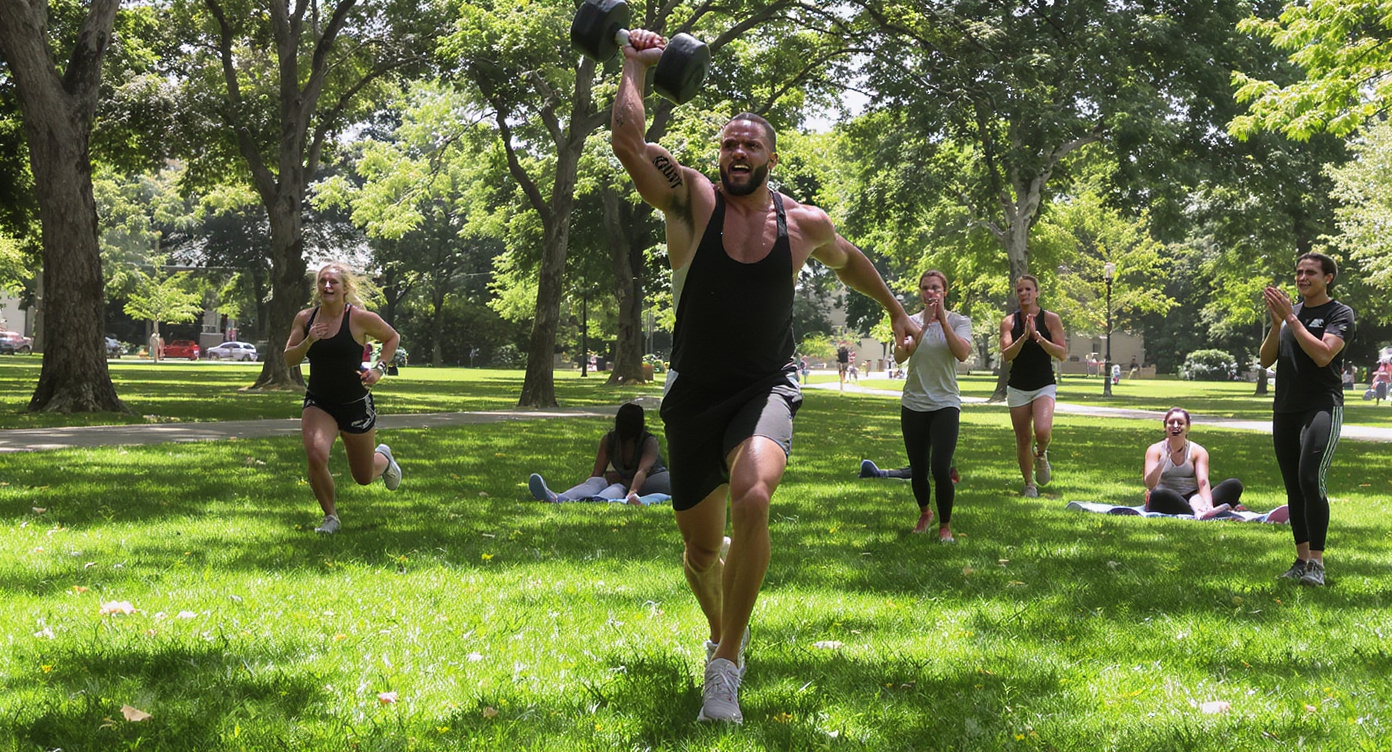
Panic disorder manifests itself through physical tension, rapid heartbeat, and shortness of breath. Brazilian researchers have proposed a new approach to managing this condition—by recreating similar physical sensations, but in a safe and controlled environment, such as during physical exercise.
Features of Panic Disorder
Panic disorder is a common and severe mental health condition characterized by sudden and distressing episodes of intense fear. These attacks are accompanied by pronounced physiological symptoms: rapid heartbeat, difficulty breathing, dizziness, and a sense of losing control. A key mechanism behind the disorder is the catastrophic interpretation of these bodily signals as signs of impending death, insanity, or a heart attack.
Traditional Treatment Methods
The standard approach to treating panic disorder is interoceptive exposure—deliberately and repeatedly provoking frightening symptoms in a safe setting to reduce their perceived threat. However, many patients find such procedures artificial and unpleasant, which can lower their engagement in therapy and its effectiveness. As a result, specialists are searching for more natural, acceptable, yet still effective methods.
The Study by Brazilian Scientists
Researchers from the University of São Paulo tested the hypothesis that intensive physical activity could serve as an effective form of interoceptive exposure. The study involved two groups of patients with panic disorder. One group participated in a 12-week program of short, high-intensity interval exercises, including walking with 30-second bursts of increased speed, with the number of intervals gradually increasing. The second group completed a course of progressive muscle relaxation—a set of exercises involving tensing and relaxing major muscle groups. The results were published in the journal Frontiers in Psychiatry.
Results and Conclusions
According to the panic and agoraphobia scale, symptom severity decreased in both groups. However, the reduction was more pronounced and sustained in the exercise group—on average by 36%. By the 12th week, the difference between the groups became statistically and clinically significant, and after 24 weeks, the advantage of physical exercise not only persisted but increased. Additionally, this group experienced 53% fewer panic attacks, lower attack intensity, and a greater reduction in accompanying depressive symptoms.
Thus, the study showed that physical exercise provides a natural, repeated, and controlled "training" of the very bodily sensations that patients fear, but in a positive context. This helps reframe symptoms, break the vicious cycle of fear, and increase tolerance to internal sensations.