

Ferns can help extract rare earth elements in an environmentally friendly way
Chinese scientists have discovered that the fern Blechnum orientale can accumulate and crystallize rare earth elements, offering an environmentally friendly alternative to traditional mining. This breakthrough could reduce environmental harm and provide new ways to obtain valuable metals for modern technologies.
Natura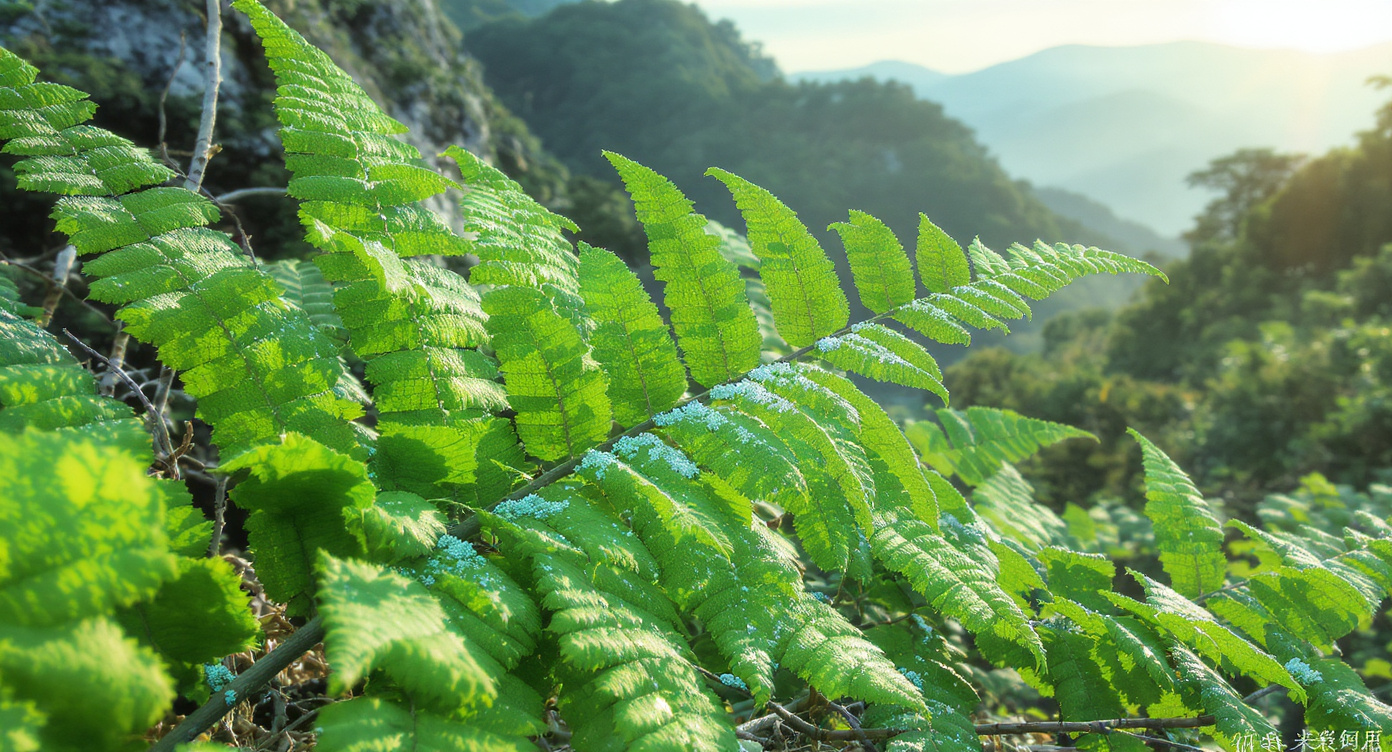
The group of materials known as rare earth elements (REEs) plays a crucial role in the production of modern technologies—from electric vehicles to smartphones and wind turbines. However, traditional methods of mining and processing these elements often cause significant environmental damage. Recently, Chinese scientists have proposed a more eco-friendly and accessible way to obtain REEs—using ferns.
Unique Properties of the Blechnum orientale Fern
A research team led by geochemist Luyin He from the Chinese Academy of Sciences was the first to discover that the Blechnum orientale fern can naturally crystallize REE minerals in its above-ground tissues under normal conditions. This is a stark contrast to the usual process of REE formation on Earth, where they are typically found as compounds in igneous rocks formed during the cooling of magma.
Environmental Advantages of the New Approach
The discovery, published in the journal Environmental Science & Technology, could significantly reduce dependence on traditional REE mining. Typically, these elements are found mixed with other substances, and their extraction requires complex chemical processes that destroy soil and vegetation and pollute water and air in regions rich in REE deposits.
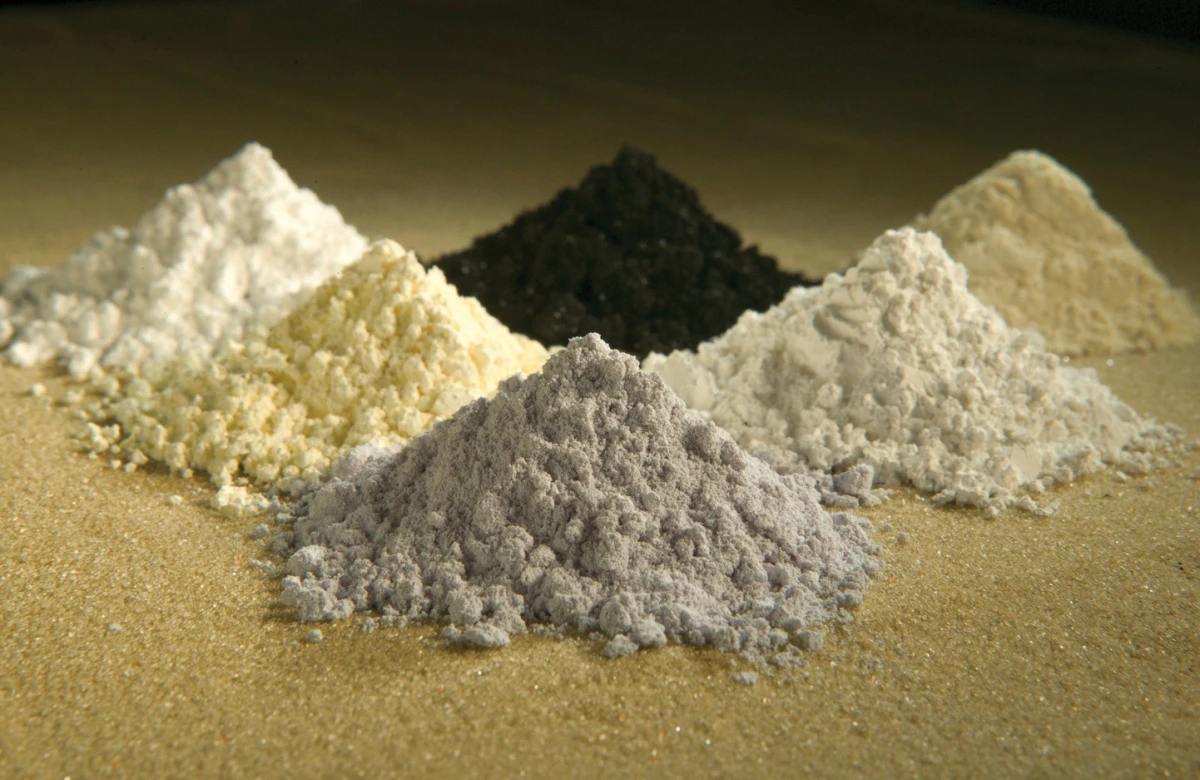
In fact, rare earth elements are not as rare as their name suggests—they are dispersed throughout the world but do not form large deposits like gold. Today, China controls about 70% of global REE production and an even larger share of processing capacity, giving the country a dominant position in the market.
How the Fern Accumulates Rare Earth Elements
Blechnum orientale is classified as a hyperaccumulator plant, capable of growing in soils with high concentrations of heavy metals that are usually toxic to other species. This fern absorbs elements through its roots and can initiate the mineralization of REEs, particularly forming the mineral monazite. Previously, monazite was only known to occur in rocks subjected to high temperatures and pressures deep within the Earth, but now it is found forming in plants under normal surface conditions. Moreover, the monazite particles produced in the fern are nanometer-sized, making them industrially significant.
Prospects for Phytomining
The discovery was made using advanced microscopy and chemical analysis methods on ferns growing in southern China. This points to the potential of phytomining—using hyperaccumulator plants to extract metals from soil—as a way to harvest hard-to-reach REEs.
This approach could be a breakthrough in securing supplies of rare earth elements, which are in high demand worldwide. For example, in electric vehicles, neodymium, dysprosium, and praseodymium are used in powerful permanent magnets for motors. REEs are also found in various smartphone components: from displays and speaker and vibration motors to camera lenses and microchips.
Challenges and Future Research
Currently, the fern does not produce REEs on an industrial scale, but the research shows that the potential of phytomining these valuable elements is still largely unexplored. Scientists need to determine whether Blechnum orientale is the only plant capable of independently organizing REEs from different elements, or if other species have similar properties. It is also important to develop an efficient method for extracting monazite and breaking it down into its REE components without significant resource loss.
"This discovery demonstrates an alternative pathway for monazite mineralization under exceptionally mild conditions and highlights the unique role of plants in initiating such processes," the researchers note.