

The United States is accelerating the development of infrastructure for gas exports.
The White House has authorized the use of the Defense Production Act to accelerate the development of infrastructure for the transportation, processing, and export of natural gas and LNG in the United States. These measures are aimed at eliminating bottlenecks and enhancing the country's energy security.
Petrus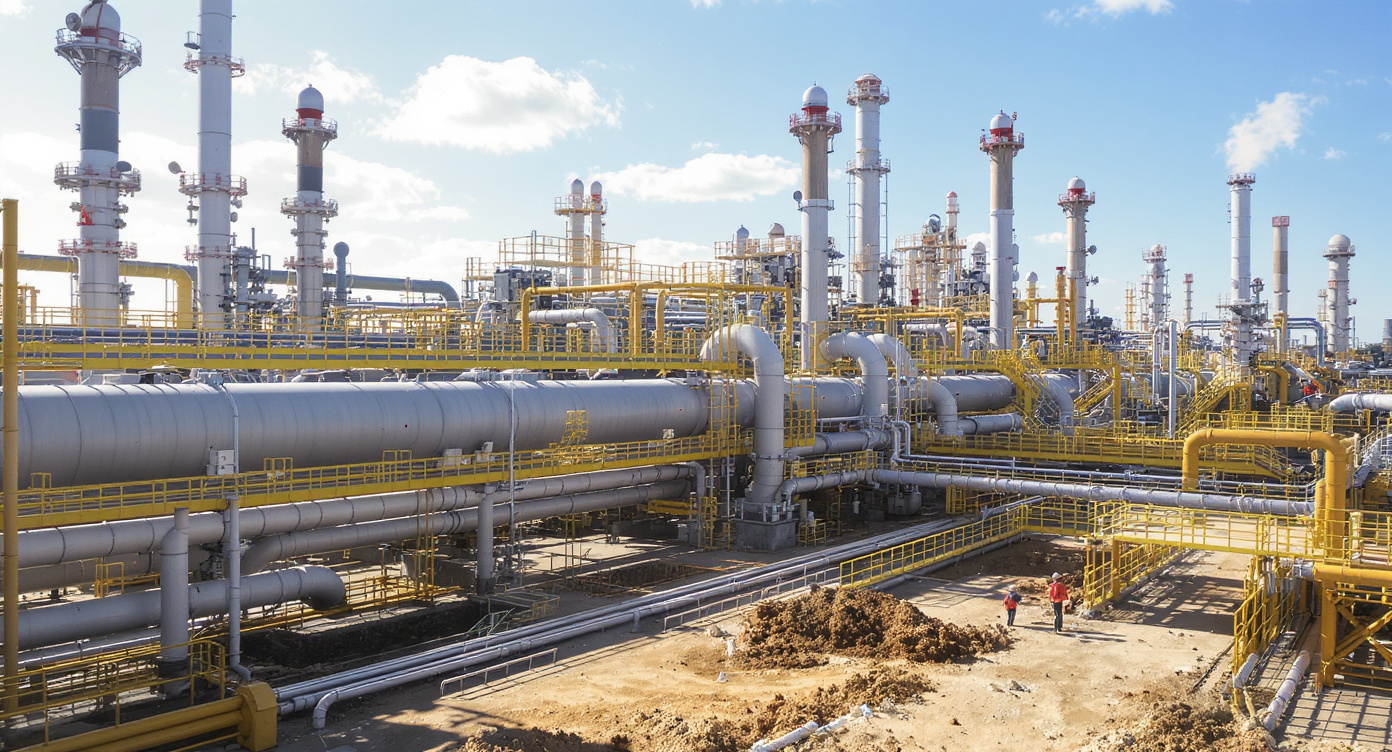
On Monday, the White House released a presidential directive authorizing the use of the Defense Production Act to accelerate the development of infrastructure for the transportation, processing, storage of natural gas, and the expansion of liquefied natural gas (LNG) production capacity within the United States.
The memorandum, addressed to the Secretary of Energy, designates natural gas and LNG infrastructure as assets of strategic importance to national defense. These assets include pipelines for collection and transportation, compressor stations, processing plants, underground storage facilities, LNG liquefaction plants, storage and marine loading facilities, export terminals, and other critical distribution infrastructure.
The document references Executive Order 14156 of January 20, 2025, which declared a state of emergency in the energy sector. The order noted that the United States’ dependence on foreign energy had been exploited by hostile foreign entities to destabilize international commodity markets.
The presidential memorandum states that without invoking Section 303 of the Defense Production Act, American industry would not be able to provide the necessary capacity within a reasonable timeframe. Key obstacles cited include financial constraints, lengthy equipment delivery and construction timelines, delays in obtaining permits, and infrastructure bottlenecks.
The directive provides for the suspension of certain legal requirements to speed up project implementation. The Secretary of Energy is granted the authority to make necessary purchases, enter into commitments, and utilize financial instruments to carry out these projects.
The document also notes that insufficient pipeline, processing, storage, or export capacity for natural gas and LNG could leave the United States and its partners vulnerable during times of crisis.