

Hara Hachi Bu: The Japanese Secret to Mindful Eating
Hara hachi bu is a Japanese practice of mindful moderation, which involves stopping eating when you feel about 80% full. This approach helps prevent overeating, encourages healthier eating habits, and supports harmony with your body.
Salus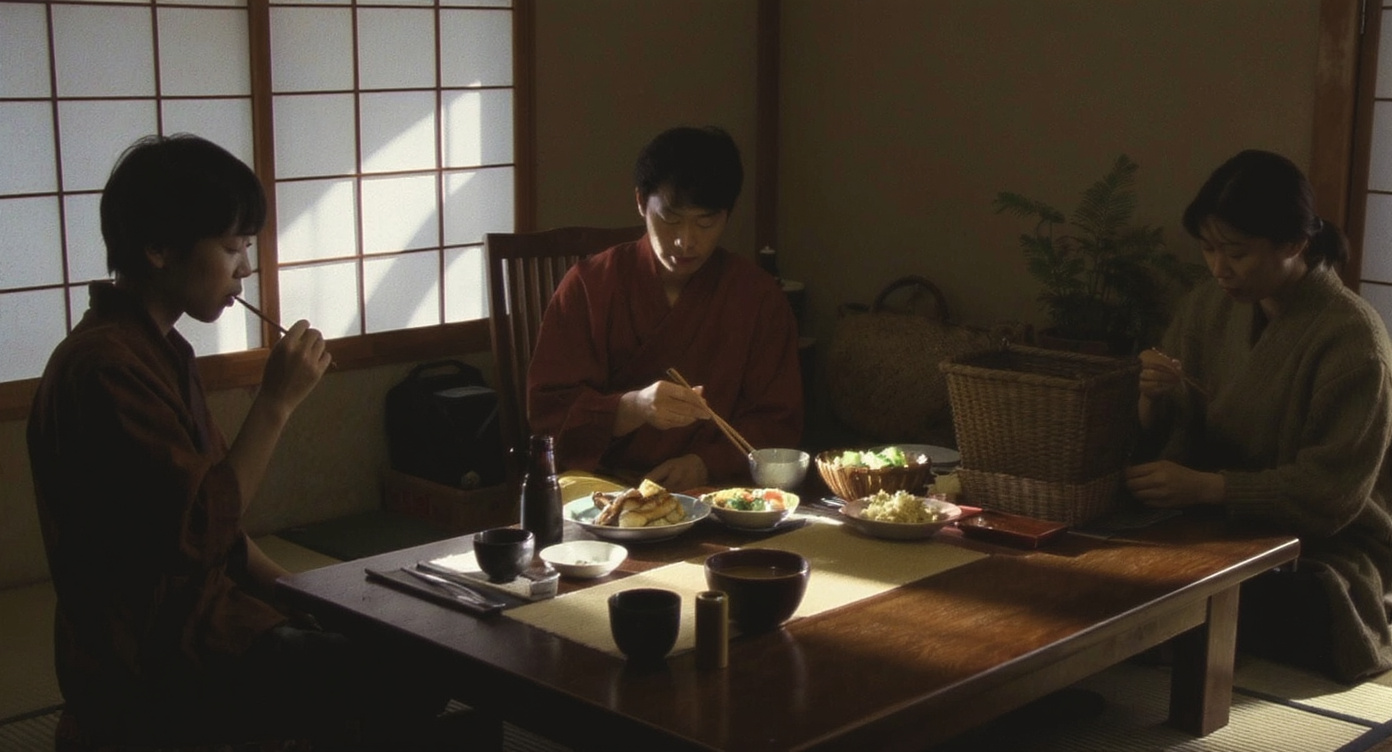
The Practice of Hara Hachi Bu: Mindful Moderation in Eating
Hara hachi bu is a traditional Japanese approach that encourages stopping eating before reaching full satiety—at about 80% fullness. This method helps maintain harmony with your body, prevents overeating, and fosters a more balanced relationship with food.
Origins and Essence of the Method
Hara hachi bu is rooted in Confucian principles and emphasizes moderation. This practice is common among some of the world’s longest-living and healthiest populations. It is not a strict diet or a form of restriction, but rather encourages slowing down, paying attention to your body’s signals, and cultivating gratitude for your meals.
Scientific Evidence and Benefits
Research specifically focused on the hara hachi bu practice is still limited. Most studies examine eating habits in populations where this approach is widespread, rather than the isolated “80% full” rule. Nevertheless, available data suggest several benefits: people who follow this method tend to consume fewer calories, gain less excess weight, and have a lower average body mass index. Some studies also note that this eating style promotes healthier food choices, such as eating more vegetables and fewer grains.
Connection with Mindful Eating
Hara hachi bu aligns with the concepts of mindful and intuitive eating, which also focus on recognizing hunger and fullness cues. These methods have proven effective in reducing emotional overeating and improving diet quality.
Relevance in the Modern World
In today’s world, where many people eat while distracted by screens and digital devices, the practice of mindful eating is especially important. Studies show that about 70% of adults and children use gadgets during meals, which is linked to increased calorie intake, lower consumption of fruits and vegetables, and a higher risk of disordered eating behaviors.
Tips for Implementing the “80% Full” Method
- Listen to your body before eating: Determine whether your hunger is physical, emotional, or simply out of habit.
- Eat without distractions: Turn off screens and focus fully on your meal.
- Eat slowly and savor each bite: This helps you notice when you’re becoming full.
- Aim for comfortable fullness, not overeating: Stop eating when you’re about eight out of ten on the fullness scale.
- Share meals with others: Eating together makes food more meaningful and strengthens social bonds.
- Choose nutritious foods: Prioritize foods rich in vitamins, minerals, fiber, and energy.
- Show self-compassion: Don’t strive for perfect eating—focus on mindfulness instead.
Important Considerations
Hara hachi bu is not intended as a strict restriction. The main goal is moderation and attentiveness to your body’s signals, not simply reducing food intake. Using this approach solely for weight loss can lead to unhealthy patterns, such as cycles of restriction and overeating. It’s also important to consider the quality and nutritional value of your food.
This method may not be suitable for everyone: athletes, children, the elderly, and people with certain health conditions may have specific nutritional needs, so this approach might not be appropriate for them.
Conclusion
Hara hachi bu is more than just a recommendation to stop eating at 80% fullness—it’s a broader philosophy of mindful moderation. It encourages listening to your body, respecting hunger cues, and enjoying food without overeating. This balanced approach supports long-term health and helps foster a positive relationship with eating.